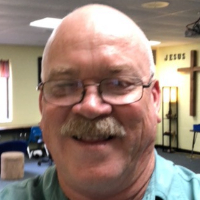
Philip Nicholas, LPC
Tennessee · 4 years in practice
Philip Nicholas is a licensed professional counselor (LPC) practicing in Tennessee.
License and registration
- LPC, Tennessee
- 5027 · expires December 2027
- NPI
- 1568069524 · national provider identifier
- Years in practice
- 4
- Languages
- English
Details are as listed on the therapist's public professional profile. You can check the license with the issuing state board, and the NPI with the national registry.
About Philip
Philip Nicholas is a licensed professional counselor (LPC) practicing in Tennessee. He focuses on trauma, addiction, anxiety, depression, and life changes. Philip uses practical methods to help people move forward and regain balance in daily life.
Philip draws on several therapy approaches to meet each person's needs. He often blends client-centered listening with cognitive behavioral tools to change unhelpful thoughts and behaviors. He also uses EMDR as part of work with trauma and distressing memories.
Background and approach
Sessions start with clear goals and a plan that fits the person's pace. Philip asks questions, listens closely, and suggests small steps people can try between sessions. He emphasizes skills people can use right away to manage stress, handle cravings, and cope with mood shifts.
Philip has four years of clinical experience as an LPC. That experience includes helping people who face grief, attachment problems, work stress, and substance use concerns. He aims to make therapy straightforward and relevant to daily life.
People who choose him will find a calm, direct approach. Philip helps clients build coping skills, improve communication, and set realistic change goals. He encourages steady progress rather than quick fixes.
Focus areas and approaches
Everything Philip lists on their public professional profile, in their own terms.
- Addictions
- Trauma and abuse
- Grief
- Parenting issues
- Self esteem
- Stress, Anxiety
- LGBT
- Relationship issues
- Family conflicts
- Intimacy-related issues
- Anger management
- Career difficulties
- Bipolar disorder
- Depression
- Coping with life changes
- ADHD
- Abandonment
- Adoption and foster care
- Aging and geriatric issues
- Attachment issues
- Blended family issues
- Cancer
- Codependency
- Communication problems
- Coping with natural or human-caused disaster
- Drug and alcohol addiction
- Family of origin issues
- First responder issues
- Forgiveness
- Guilt and shame
- Hospice and end-of-life counseling
- Isolation / loneliness
- Veteran and Armed Forces Issues
- Mood disorders
- Narcissism
- Panic disorder and panic attacks
- Post-traumatic stress
- Process addiction (porn, exercise, gambling)
- Seasonal Affective Disorder (SAD)
- Sexual assault and abuse
- Social anxiety and phobia
- Traumatic brain injury
- Young adult issues
Approaches Philip names
- Eye Movement Desensitization and Reprocessing (EMDR)
- Attachment-Based Therapy
- Client-Centered Therapy
- Cognitive Behavioral Therapy (CBT)
- Mindfulness Therapy
- Motivational Interviewing
- Narrative Therapy
- Solution-Focused Therapy
- Trauma-Focused Therapy
Naming an approach is not evidence of training in it. This directory copies what each therapist lists and does not check training records.
Online support
Therapeutic approaches and online care
Philip combines client-centered therapy and cognitive behavioral therapy to create a straightforward, collaborative approach. Client-centered therapy means the therapist listens closely, reflects what matters to the person, and follows their pace. Cognitive behavioral therapy focuses on identifying unhelpful thoughts and testing small behavioral changes to reduce anxiety, depression, or stress.Philip also integrates EMDR when working with trauma-related memories to help reduce the intensity of distress tied to past events. EMDR is used as one option alongside talk-based techniques and practical coping skills to address trauma and abuse concerns.
Finding the right approach is a collaborative process. Philip will discuss options, try methods that fit the client's goals, and adjust the plan based on what helps. The aim is to match therapy tools to the individual's needs rather than use a fixed method.
Online formats include video calls, phone sessions, live chat, and text-based messaging. Video is useful for in-depth sessions and visual cues. Phone sessions can be a good choice when bandwidth is limited or when someone prefers not to be on camera. Live chat and messaging work well for brief check-ins, homework support, or when a written exchange fits someone's schedule. These options make it easier to fit therapy into busy lives and maintain steady progress.
We will earn a commission if you sign up through our link, at no cost to you. It does not change what you pay or the order of the listings.
Questions people ask
What concerns does Philip focus on?
Philip works with issues such as addictions, trauma and abuse, grief, parenting stress, self-esteem, anxiety, depression, and ADHD. Additional focuses include attachment issues, codependency, career stress, and end-of-life concerns.
What is his general therapeutic style?
He blends client-centered listening with practical techniques like cognitive behavioral therapy and mindfulness. EMDR is also used when addressing traumatic memories.
What background and experience does he have?
Philip has four years of experience as a licensed professional counselor working in Tennessee. His practice has included work with grief, trauma-related problems, addiction, and adjustment to life changes.
Where is Philip licensed and based?
He holds an LPC credential and provides services from Tennessee. Sessions are offered in English.
Are sessions available to people outside the U.S.?
International clients are not currently accepted. Sessions are provided to clients located where Tennessee licensure applies.
What session formats does he offer?
Philip offers video calls, phone sessions, live chat, and text-based messaging to suit different needs and routines. These options allow for shorter check-ins or longer sessions as needed.
How is cost handled for sessions?
Cost varies with location and therapist availability and sessions use a subscription model. The subscription can be canceled at any time.
How do I begin therapy with him?
Start by selecting the Start Therapy button, completing a short matching questionnaire, and then scheduling according to therapist availability.
More therapists in Tennessee
See all
Jessica Bolin Edwards
LPC
Calm, practical therapy for life changes
- Stress, Anxiety
- Trauma and abuse
- Parenting

Felisha Tillman
LPC-MHSP
Compassionate, practical trauma-informed care
- Stress, Anxiety
- Trauma and abuse
- Anger

Linda Hazel
LMFT
Compassionate therapist for relationship and trauma healing
- Addictions
- Relationship
- Family

Is this your profile?
Ask us to correct details or take the page down.
Contact us