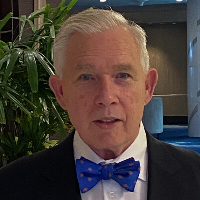
Steven Brashear
LMHC
Practical, values-focused trauma and anxiety help
- Stress, Anxiety
- Trauma and abuse
- Grief
Clinical social work directory
594 therapists list veterans among the things they work with. All offer sessions online, and every profile shows the registering body, the membership number and when it runs to.
On this page you can browse therapists who work with veterans and who list EMDR among their approaches. Use the filters below to explore clinicians by focus, therapeutic approach, credentials, and languages. Review profiles to learn how each therapist describes their experience working with military-related concerns.
LMHC
Practical, values-focused trauma and anxiety help
LPC
Compassionate counselor using practical, evidence-informed care
LCSW
Practical trauma-informed care with compassion
LMFT, LCMFT
Helping people break painful relationship patterns
LPC
Compassionate, practical therapy for life’s challenges
AASW
Practical, culturally aware mental health support
LPCC
Practical trauma-informed counseling with EMDR
LPC
Practical, trauma-informed counseling for life challenges
LCSW, CSW
Connecting strengths with steady change
BACP
Experienced counsellor for trauma and life change
LPC
Supportive counselor focused on practical progress
BACP, NCPS
Therapist combining psychological insight with practical tools
LPC
Compassionate, experienced counseling for adults
LPC
Compassionate counselor focused on practical change
LMHC
Calm, practical support for life and trauma
NY Psychoanalyst
Experienced New York psychoanalyst blending skills and depth
BACP
Practical, nature-informed counselling and support
LPC
Compassionate, practical therapy for real-life struggles
LCSW
Compassionate, practical therapy for life challenges
LPC, LPCC
Calm, practical help for life’s hardest moments
LPCC
Practical therapy for trauma and life stress
LCSW
Practical, respectful therapy for life challenges
HCPC
Calm, practical care for emotional difficulty
ACA
Experienced ACA counsellor helping with trauma and stress
BACP
Experienced counsellor who uses EMDR and CBT
BACP
Calm, collaborative therapy with EMDR support
LCSW
Experienced LCSW focused on trauma and relationships
BACP
Practical, compassionate support for life’s challenges
LMHC
Warm, practical support for trauma and life change
LPC
Experienced counselor for trauma and life transitions
NCPS
Compassionate practical therapy for stress and trauma
LMFT
Practical therapy for trauma and relationship struggles
BACP
Gentle, mindful support for difficult moments
LMFT
Practical, collaborative therapy for trauma and relationships
LMHC
Therapist focused on healing and practical change
LPC
Compassionate counselor focused on practical tools
NCPS
Practical online therapy for life’s big challenges
Some links on this page are partner links. We will earn a commission if you sign up through one, at no cost to you. It does not change what you pay or the order of the listings.
Life in uniform and the transition back to civilian roles shape people in powerful ways. The term veterans covers a wide range of experiences - combat deployments, support roles, long-term service, or brief tours - and each sets the stage for different emotional, relational, and practical challenges. Many veterans describe intense memories of events, shifts in how they respond to stress, changes in sleep and concentration, and a sense that others do not understand what they have been through. For some, everyday activities that used to feel simple can become difficult and disorienting during or after transition.
You might also notice changes in relationships, work performance, or the capacity to enjoy activities that used to matter. These outcomes are shaped by factors such as unit culture, the nature of service, timing of transitions, injury or loss, and supports available after service. Cultural aspects of military life - emphasis on mission, loyalty, and self-reliance - can make asking for help feel complicated. Understanding this context helps you and a therapist shape goals that fit your values and priorities as a veteran.
If you are weighing whether to seek support, pay attention to patterns that interfere with your daily life. Persistent intrusive memories, nightmares, or sudden emotional reactions when something reminds you of service can signal that an issue is affecting functioning. You may find yourself avoiding places, people, or conversations that trigger distress, or you may notice increased irritability, anger, or withdrawal from relationships. Difficulty sleeping, feeling detached from others, or an ongoing sense of threat even in safe environments are also common concerns among those with service-related stress.
Physical symptoms may show up too, including tension, startle responses, changes in appetite, or problems with concentration. Some veterans turn to alcohol or other substances to manage distress, which can create additional challenges. If trauma-related experiences, grief, moral injury, or the aftermath of deployment are shaping how you relate to yourself and others, therapy can offer a space to explore those effects and develop practical strategies to reclaim daily functioning and meaning.
Therapy begins with a conversation about your history, current concerns, and what you hope to achieve. Early sessions usually include a careful review of your service background, major life events, current symptoms, and coping strategies you already use. You and your therapist will set priorities together and create a plan that fits your pace. Some people want focused work on a particular memory or symptom, while others prefer broader support for relationships, vocational issues, or life transition.
Sessions often blend practical skill-building with deeper exploration of meaning and identity. You can expect a collaborative approach where you and the clinician evaluate progress and adjust goals as needed. Therapy may include learning breathing and grounding methods to manage intense moments, practicing new communication habits to improve relationships, or structured approaches to process memories. Family or partner sessions may be part of the plan if relational dynamics are central to your concerns. Throughout, the emphasis is on what helps you live more comfortably and pursue the roles that matter most to you.
Therapists who work with veterans draw on many approaches to match individual needs. You will see clinicians who list EMDR among their approaches, as well as those who describe cognitive and behavioral strategies, acceptance-based approaches, narrative work, and body-centered or somatic methods. Some clinicians integrate approaches that address thinking patterns and skills, while others focus on processing difficult memories or working with the body's reactions to trauma. Group therapy and peer-informed options are also part of the landscape, offering connection with others who have shared experiences.
When you read a profile, note how a therapist explains their approach in plain language. Some clinicians emphasize step-by-step skills to reduce distress and improve functioning, while others discuss memory-focused work or paced processing of traumatic events. A combination of methods can be useful - for example, learning coping skills before engaging with emotionally intense material. Because listings reflect how clinicians describe their practice rather than external certification labels, you may see a range of phrases that point to different emphases in care.
Online therapy has become a common way for veterans to access support, offering convenience when travel, work schedules, or geographic distance make in-person visits difficult. Sessions are typically held by video or phone, which lets you meet with a clinician while remaining in a comfortable environment of your choosing. Before starting, think about where you will sit during sessions to limit interruptions and protect your concentration. A dependable internet connection, headphones, and a distraction-free spot can help sessions run smoothly.
Online work can include the same range of approaches you would expect in person - skills training, discussion-based therapy, and memory-focused work - although certain interventions may require additional planning to manage intense reactions. Be sure you understand how a clinician handles emergencies and how to reach local supports if you need immediate assistance between sessions. Also consider whether you prefer video or phone-only sessions, or a blend of remote and in-person meetings when those options exist. The digital format can broaden your choices and help you connect with clinicians who understand military culture even if they are not in your immediate area.
Start by clarifying what you want from therapy - symptom relief, better relationships, help with transition, or working through specific events. Look for profiles that describe work with veterans, military culture, or the particular themes that matter to you. Pay attention to how a clinician explains their methods - you want language that resonates with your goals and feels practical. Consider credentials and professional licensure as indicators of training background, and note any specialties, languages, or populations listed that match your needs.
Think about practical matters that affect fit, such as whether a therapist emphasizes short-term skills, long-term exploration, family involvement, or a combination. Read how they describe session structure and communication style so you can picture what an appointment will feel like. If you plan to use insurance, check billing terms and whether the therapist lists relevant credentialing. Finally, trust your sense of rapport after reading profiles - a good match is one where you feel understood and where the approach aligns with your values and pace of change. Taking these steps helps you find a clinician whose focus, approaches, and experience fit your path forward as a veteran seeking support.