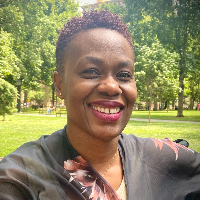
Asyia Hall
LCSW
Compassionate, practical care for anxiety and trauma
- Stress, Anxiety
- Trauma and abuse
- Grief
Clinical social work directory
1,169 therapists list Mindfulness Therapy among the ways they work. Naming an approach is not evidence of training in it, so ask directly how they use it.
Mindfulness Therapy combines present-moment awareness practices with psychotherapeutic methods to help you relate differently to thoughts, emotions and bodily sensations. Browse therapists who list Mindfulness Therapy among their approaches below to learn about practitioners and their focus areas.
LCSW
Compassionate, practical care for anxiety and trauma
LCMHC
Practical, trauma-informed counseling for adults
LPC
Trauma-aware counselor focused on practical change
LPC
Compassionate counselor using practical, evidence-informed care
LCSW
Practical trauma-informed care with compassion
LMFT, LCMFT
Helping people break painful relationship patterns
LCMHC
Compassionate trauma-informed counseling
LPC
Compassionate counselor for lasting change
NCPS
Support for anxiety, trauma, and life changes
LPC
Compassionate, practical therapy for life’s challenges
BACP
Calm support for life’s difficult chapters
BACP
Compassionate relational counselling for change
AASW
Practical, culturally aware mental health support
LPCC
Practical trauma-informed counseling with EMDR
LPC
Practical, trauma-informed counseling for life challenges
LCMHC
Experienced counselor who uses practical therapies
LCSW, CSW
Connecting strengths with steady change
LMFT
Experienced therapist guiding practical change
BACP
Experienced counsellor for trauma and life change
BACP, NCPS
Therapist combining psychological insight with practical tools
LPC
Compassionate, experienced counseling for adults
LPC
Compassionate counselor for trauma and life change
LPC
Compassionate counselor focused on practical change
LMHC
Calm, practical support for life and trauma
LMFT
Practical, adaptable therapy for life transitions
NY Psychoanalyst
Experienced New York psychoanalyst blending skills and depth
LIMHP
Practical, collaborative care for stress and trauma
BACP
Practical, nature-informed counselling and support
LPC
Compassionate, practical therapy for real-life struggles
LCSW
Practical, compassionate help for trauma and life change
LPC
Compassionate, practical support for life’s hard moments
LCSW
Compassionate, practical therapy for life challenges
NCPS
Calm, practical therapy for trauma and addiction
LPC, LPCC
Calm, practical help for life’s hardest moments
LPCC
Practical therapy for trauma and life stress
LMFT
Compassionate therapist combining practical strategies
LCPC
Experienced counselor focused on trauma and life change
LMHC
Practical skills for anxiety and trauma recovery
Some links on this page are partner links. We will earn a commission if you sign up through one, at no cost to you. It does not change what you pay or the order of the listings.
Mindfulness Therapy is an umbrella term for therapeutic approaches that intentionally cultivate moment-to-moment awareness and an attitude of nonjudgmental acceptance toward inner experience. At its root, the method encourages you to notice sensations, thoughts and feelings as they arise, without immediately trying to change or fix them. This orientation allows you to observe habitual reactions and to develop choice in how you respond. Therapists who list Mindfulness Therapy among their approaches often integrate guided attention practices, mindful movement and reflective inquiry into conversations about your life and relationships.
The core principles include present-centered attention, an attitude of curiosity and acceptance, and a focus on experiential learning rather than didactic instruction. Rather than teaching a single technique, a mindfulness-informed clinician will typically help you build a personal practice that fits your needs, exploring how awareness of breath, body sensations or mental events can inform your actions throughout the day. You will learn to recognize patterns such as judgmental thinking or automatic avoidance, and to experiment with alternative ways of noticing and responding.
People turn to Mindfulness Therapy for a range of emotional and behavioral concerns. You may look for this approach if you are managing ongoing stress, persistent worry, low mood, difficulties with attention or sleep disruption. Many also explore mindfulness techniques to support coping with chronic pain or to reduce habitual reactions that interfere with relationships or work. In contexts where rumination or avoidance maintains distress, developing mindful awareness can change the relationship you have with those patterns.
Therapists who list Mindfulness Therapy among their approaches may integrate it into work on emotional regulation, relapse prevention, impulse control and improvements in concentration. Rather than promising a specific outcome, practitioners typically frame mindfulness as a set of skills that can increase your capacity to tolerate discomfort, to make more intentional choices and to notice opportunities for change. You may find it helpful alongside other therapeutic methods when your goals include increasing resilience, enhancing self-compassion or learning to respond differently to triggers.
A typical session that incorporates mindfulness will blend verbal exploration with experiential practice. You might begin with a short guided attention exercise, such as a focused breathing practice or a body scan, aimed at anchoring you in the present moment. After the practice, you and the therapist will reflect on what arose during the exercise - sensations, thoughts, emotions and habitual tendencies - and explore how those experiences relate to your everyday challenges.
Sessions often include dialogue about how practices can be adapted for your life, and you may receive suggested exercises to try between meetings. These home practices are usually brief and practical, designed to be integrated into daily routines rather than requiring long meditation retreats. Over time, the focus shifts from doing exercises perfectly to noticing how increased awareness changes your responses to stressors, relationships and internal signals. Sessions can vary in length and format depending on the clinician’s approach and your preferences, but the emphasis remains on learning through direct experience and reflection.
Mindfulness Therapy shares features with several therapeutic schools but also has distinct emphases. Compared with cognitive-behavioral approaches that prioritize identifying and restructuring thought content, mindfulness-based work places more emphasis on changing your relationship to thoughts rather than changing their literal content. Where cognitive techniques might target the accuracy of a belief, mindfulness invites you to notice how holding that belief affects your body and behavior.
In contrast with insight-oriented or psychodynamic therapies that investigate historical causes of patterns, mindfulness-informed sessions tend to highlight present-moment processes and practical skills you can use now. That said, mindfulness can complement insight work by illuminating how past experiences show up in the present. Compared with exposure-based strategies that systematically confront feared stimuli, therapists who incorporate mindfulness may use exposure elements while also training you to observe fear responses with openness. The overall distinction is less about exclusivity and more about emphasis - mindfulness foregrounds awareness and nonjudgmental presence as vehicles for change.
Mindfulness-informed therapy can suit many people, but whether it is a good fit depends on your goals, preferences and comfort with experiential practice. You may benefit if you are willing to engage in moment-to-moment awareness work, to try brief practices outside of sessions and to explore how attention and attitude shape your responses. People who prefer practical skills, relational reflection and learning through experience often respond well to mindfulness approaches. It may be less appropriate if you are seeking a strictly interpretive or academic exploration without experiential exercises, although many therapists blend methods to match your needs.
When searching for a clinician, focus on factors that matter to your experience. Look at a therapist’s described focus areas to see whether they write about stress, emotion regulation, chronic pain, trauma or other issues that match your goals. Note the therapeutic approaches they list in addition to Mindfulness Therapy, because many practitioners integrate multiple methods to tailor care. Credentials and licensure indicate professional background, and information about languages, cultural competence or populations served can help you find someone who resonates with your lived experience. Reading a therapist’s description of how they apply mindfulness in sessions will give you a sense of whether their style fits your preferences.
Before you commit, it is reasonable to ask potential therapists about how they use mindfulness in practice. You might inquire how much of a session involves practice versus discussion, what kinds of between-session exercises are suggested, and how they handle emotional reactivity that arises during awareness work. Asking about experience with particular issues you bring - for example anxiety, trauma, chronic pain or relationship difficulties - can help you understand how mindfulness will be applied in context. These conversations can guide you to a clinician whose approach aligns with your needs and values.
Practical details matter as well. Consider whether you want in-person sessions, remote work, shorter or longer session formats, and whether language or cultural background is important for your comfort. Fee structure, insurance participation and the therapist’s general orientation toward homework and skill-building are also useful to know. Many therapists list the populations they work with and the kinds of clinical concerns they address - use that information to narrow choices based on relevance rather than assumptions about outcomes.
Ultimately, finding the right match often comes down to a sense of fit. Mindfulness Therapy is experiential and relational so you may want a therapist whose communication style and therapeutic philosophy encourage curiosity, patience and gradual skill development. When you find a practitioner whose description resonates, an initial conversation can help you determine whether their blend of mindfulness practices and other therapies aligns with your goals for change.