
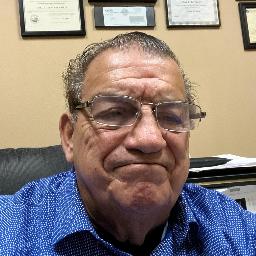
Menachem Stulberger, LMFT
California · 12 years in practice
Menachem Stulberger is a Licensed Marriage and Family Therapist (LMFT) who combines a warm, client-centered approach with practical therapy methods.
License and registration
- LMFT, California
- 108958 · expires September 2026
- LMFT, New Jersey
- 37FI00206300 · expires June 2026
- LMFT, North Dakota
- 2022-085 · expires December 2026
- LMFT, Utah
- 12894459-3902 · expires September 2026
- LMFT, Washington
- LF 61258292 · expires November 2026
- LMFT, Arizona
- LMFT-15876 · expires November 2026
- LMFT, Oregon
- T2280 · expires November 2026
- LMFT, Massachusetts
- 10000105 · expires December 2027
- LMFT, New Hampshire
- 309 · expires September 2027
- LMFT, District of Columbia
- LMFT200001294 · expires November 2026
- LMFT, New Mexico
- CTB-2023-0776 · expires September 2026
- LIMFT, Ohio
- F.2400431 · expires June 2026
- NPI
- 1013354422 · national provider identifier
- Years in practice
- 12
- Languages
- English
Details are as listed on the therapist's public professional profile. You can check the license with the issuing state board, and the NPI with the national registry.
About Menachem
Menachem Stulberger is a Licensed Marriage and Family Therapist (LMFT) who combines a warm, client-centered approach with practical therapy methods. He focuses on helping people manage stress, anxiety, depression, grief, relationship and intimacy concerns, and the strains of parenting and family life. He brings 12 years of clinical experience and aims to meet people where they are.
Sessions are collaborative and straightforward. Menachem listens first, then uses tools from cognitive behavioral therapy and dialectical behavior therapy to help people make small, useful changes.
Background and approach
He also incorporates emotionally-focused work to address relationship patterns and attachment-related worries. Eye Movement Desensitization and Reprocessing, often called EMDR, is included among the approaches he uses when processing difficult memories and trauma-related symptoms. Menachem trained at Touro College Los Angeles and completed a master’s degree in Marriage and Family Therapy from Touro University Worldwide.
He practices in California and communicates in English. He aims to create an unhurried space where people can speak honestly about hard things and try new ways of coping. In sessions he uses clear language, step-by-step strategies, and mindfulness skills to manage strong emotions.
He helps with communication problems and career stress as well as compassion fatigue. Menachem encourages steady progress and practical steps to make daily life feel more manageable.
Focus areas and approaches
Everything Menachem lists on their public professional profile, in their own terms.
- Stress, Anxiety
- Family conflicts
- Parenting issues
- Self esteem
- Depression
- Relationship issues
- Grief
- Intimacy-related issues
- Anger management
- Career difficulties
- Coping with life changes
- Compassion fatigue
- Communication problems
Approaches Menachem names
- Eye Movement Desensitization and Reprocessing (EMDR)
- Client-Centered Therapy
- Cognitive Behavioral Therapy (CBT)
- Dialectical Behavior Therapy (DBT)
- Emotionally-Focused Therapy (EFT)
- Mindfulness Therapy
Naming an approach is not evidence of training in it. This directory copies what each therapist lists and does not check training records.
Online support
Online therapy options and chosen approaches
Client-centered therapy focuses on listening and understanding the person's experience, then building goals together; it helps when someone needs a calm, accepting space to talk and sort through feelings. Cognitive Behavioral Therapy, or CBT, looks at how thoughts, feelings, and actions interact and teaches practical skills to change patterns that contribute to anxiety or depression. EMDR involves structured processing of distressing memories and reactions and can be used when past events continue to cause strong responses.Finding the right approach is part of the work. Menachem will collaborate with each person to identify what fits their goals and comfort level, and he adjusts methods as progress unfolds. The plan is shaped around what helps the individual most, not a fixed set of techniques.
Online sessions are offered by video calls, phone sessions, live chat, or text-based messaging to provide flexibility. Video calls allow face-to-face conversation and screen sharing for exercises. Phone sessions are useful when bandwidth is limited or a shorter check-in is needed. Live chat and text messaging can support quick reflections, homework prompts, or ongoing check-ins between longer sessions. These formats make it easier to fit therapy into work, parenting, or busy schedules while keeping the focus on steady progress.
We will earn a commission if you sign up through our link, at no cost to you. It does not change what you pay or the order of the listings.
Questions people ask
What concerns does he commonly address?
He helps people with stress, anxiety, depression, grief, relationship and intimacy issues, anger, career strain, parenting and family concerns, low self-esteem, and compassion fatigue.
What is his approach in therapy sessions?
Sessions are collaborative and client-centered, using straightforward conversations plus techniques from CBT and DBT to build coping skills and change unhelpful patterns.
How much clinical experience does he have?
He has 12 years of professional experience working with people on emotional and relational difficulties.
What credentials and location are listed?
He holds an MA and is a Licensed Marriage and Family Therapist (LMFT) practicing in California.
In which language are sessions offered and can he work internationally?
Sessions are offered in English and he accepts international clients.
Which session formats are available?
Therapy is offered by video calls, phone sessions, live chat, and text-based messaging to suit different needs.
How does pricing and payment work?
Cost varies with location and therapist availability; sessions use a subscription model that can be canceled at any time.
What are the first steps to begin therapy?
Click the Start Therapy button, complete a short matching questionnaire, and schedule sessions according to the therapist's availability.
More therapists in California
See allKatherine Eldean
LMFT
Experienced therapist guiding practical change
- Stress, Anxiety
- Addictions
- Relationship

Dr. Monica Kelson
CA Psychologist
Calm, experienced psychologist focused on trauma care
- Stress, Anxiety
- Trauma and abuse
- Self esteem


Is this your profile?
Ask us to correct details or take the page down.
Contact us