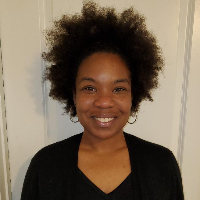
Asyia Hall
LCSW
Compassionate, practical care for anxiety and trauma
- Stress, Anxiety
- Trauma and abuse
- Grief
Clinical social work directory
501 therapists list Emotionally-Focused Therapy (EFT) among the ways they work. Naming an approach is not evidence of training in it, so ask directly how they use it.
Emotionally-Focused Therapy (EFT) is an emotion-centered therapeutic approach that helps people and couples identify, express, and transform core emotional responses. Browse therapists who list Emotionally-Focused Therapy (EFT) among their approaches below to review profiles and areas of focus.
LCSW
Compassionate, practical care for anxiety and trauma
LPC
Trauma-aware counselor focused on practical change
LPC
Compassionate counselor using practical, evidence-informed care
NCPS
Support for anxiety, trauma, and life changes
BACP
Calm support for life’s difficult chapters
AASW
Practical, culturally aware mental health support
LPCC
Practical trauma-informed counseling with EMDR
LPC
Practical, trauma-informed counseling for life challenges
LCSW, CSW
Connecting strengths with steady change
LMFT
Experienced therapist guiding practical change
LPC
Compassionate, experienced counseling for adults
LPC
Compassionate counselor for trauma and life change
LMHC
Calm, practical support for life and trauma
NY Psychoanalyst
Experienced New York psychoanalyst blending skills and depth
BACP
Practical, nature-informed counselling and support
LPC
Compassionate, practical therapy for real-life struggles
LPC
Compassionate, practical support for life’s hard moments
LCSW
Compassionate, practical therapy for life challenges
LMFT
Compassionate therapist combining practical strategies
BACP
Compassionate, practical counselling for trauma and anxiety
ACA
Experienced ACA counsellor helping with trauma and stress
LMHC
Compassionate, practical therapy for life challenges
LPC
Calm, practical support for life’s hard moments
LCSW
Experienced LCSW focused on trauma and relationships
BACP
Practical, compassionate support for life’s challenges
LMHC
Warm, practical support for trauma and life change
LPC
Experienced counselor for trauma and life transitions
NCPS
Compassionate practical therapy for stress and trauma
LMFT
Practical therapy for trauma and relationship struggles
LPC
Trauma-informed counselor focused on connection and coping
BACP
Gentle, mindful support for difficult moments
LPC
Calm practical therapy for life’s stressors
LMFT
Practical, collaborative therapy for trauma and relationships
LPC
Compassionate counselor focused on practical tools
LPCC
Practical, compassionate therapy for life changes
NCPS
Practical online therapy for life’s big challenges
LCSW
Compassionate LCSW focused on trauma recovery
LPC
Calm, practical therapy for tough life moments
MD, LCSW-C, LCSW
Seasoned clinician blending medical insight and social work
LPC
Compassionate counselor with practical therapeutic tools
Some links on this page are partner links. We will earn a commission if you sign up through one, at no cost to you. It does not change what you pay or the order of the listings.
Emotionally-Focused Therapy, often called EFT, is an approach that places emotions at the center of understanding problems and guiding change. Grounded in attachment theory, EFT views emotions as meaningful signals that shape the way you relate to yourself and others. Therapists who use this approach aim to help you access the feelings beneath behavior patterns, understand their adaptive purpose, and make intentional shifts in how you respond. The work emphasizes creating new emotional experiences in-session so those patterns can change in daily life.
The approach treats emotions as information about your needs and relationships rather than as symptoms to be suppressed. You and your therapist explore the sequences of emotion, thought, and behavior that recur in important relationships. Through gentle, focused exploration, the therapist helps you name primary emotions, differentiate them from reactive responses, and experiment with new ways of expressing needs. Over time, these shifts can alter relational dynamics and personal coping strategies, often in a way that feels deeply meaningful rather than merely intellectual.
EFT is frequently applied where emotion and relationship patterns are central to the difficulty you are facing. Many people seek this approach for struggles in intimate partnerships, where cycles of withdrawal and pursuit, criticism and defensiveness, or emotional distance cause ongoing strain. EFT is also used with individuals who are navigating grief, loss, or life transitions that stir intense feelings and attachment concerns. Therapists may apply EFT principles when emotional processing is central to recovery after interpersonal trauma, provided the approach is delivered with appropriate pacing and attention to safety.
If your primary concerns involve improving emotional connection, repairing relational ruptures, or gaining greater clarity about how emotions drive behavior, EFT can be a useful framework. It can support people who want to deepen intimacy with a partner, parents seeking to reshape family interactions, or individuals aiming to better tolerate and make sense of difficult feelings. Because EFT focuses on the interplay between emotion and attachment, it tends to be most helpful when interpersonal patterns are a central part of the problem you want to address.
A typical EFT session centers on the present emotional experience. You can expect the therapist to attend closely to the feelings that arise in the room, to help name emotions, and to encourage deeper exploration of what those emotions point to in terms of needs and relational expectations. Sessions often involve both reflection and direct, experiential engagement. For couples, the therapist may guide an interaction so both partners can express vulnerable feelings and respond differently to one another. For individuals, the therapist will help you trace patterns from feeling to action and practice new responses that honor underlying needs.
Therapists who use EFT typically move through recognizable phases: initial assessment of interactional patterns, focused exploration of core emotions, and interventions aimed at creating new emotional experiences. The pace is collaborative, and the therapist will often offer gentle prompts to help you stay curious about your inner experience rather than react automatically. While some describe EFT as a focused approach that can produce noticeable shifts in a matter of months, the actual length of work depends on your goals, history, and the complexity of the issues you bring.
EFT is distinct in its explicit emphasis on emotion and attachment as engines of change. Compared with cognitive-behavioral approaches, which commonly focus on identifying thoughts and modifying behaviors, EFT prioritizes accessing and transforming the felt experience that drives those thoughts and behaviors. Where psychodynamic therapy may explore past relational patterns over a long arc, EFT tends to emphasize present-moment emotional experience and the opportunities for corrective relational interactions during sessions. Compared to experiential therapies, EFT combines structured goals with moment-to-moment emotional engagement, often with a clear focus on attachment needs and relational outcomes.
When you consider different modalities, think about whether you want a process that centers feeling and relationship here and now, or one that focuses more on cognition, behavior, or historical interpretation. Some people find value in combining approaches over time, for example pairing emotion-focused work with strategies for managing symptoms or practical coping skills. Whatever path you choose, the most important factor is a therapeutic relationship where you feel understood and able to explore difficult feelings with support.
You may be a good candidate for EFT if emotions and relationship patterns are at the heart of what you want to change and if you are open to exploring vulnerability as a pathway to growth. People who are ready to engage with strong feelings and to experiment with new ways of interacting often find the approach useful. It can be helpful if you value direct, emotionally attuned work and if you are seeking therapy that targets connection and attachment dynamics. Those coping with severe unmanaged symptoms or complex safety concerns might need complementary supports while engaging in emotion-focused work; a careful discussion with a clinician can help determine the best fit.
On this directory you can search for therapists who list Emotionally-Focused Therapy (EFT) among their approaches and then review their profiles to learn about specialties, professional credentials, languages spoken, and the populations they describe working with. Read therapist biographies to understand how they describe their work with emotions and relationships. When you contact a clinician, you may want to ask about how they use EFT in sessions, how they tailor the approach to different concerns, and what a typical course of work looks like for someone with goals like yours. Consider whether you prefer in-person or remote sessions, cultural competence in areas important to you, and clarity about fees and insurance policies. Trust your sense of fit - the way a therapist communicates and the attention they give to your questions can be an important indicator of whether the working relationship will be comfortable and productive.
Choosing a therapist is a personal process, and finding someone who lists Emotionally-Focused Therapy (EFT) among their approaches can be a helpful starting point if you want emotion-centered, attachment-informed care. Use profile details to compare areas of focus, professional background, and the way clinicians describe their work, and reach out with specific questions to get a feel for how they might partner with you on change.