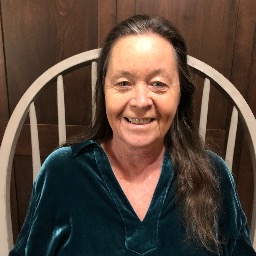
Mary Kallenbach, LCMHC
North Carolina · 23 years in practice
Mary Kallenbach is a Licensed Clinical Mental Health Counselor (LCMHC) based in North Carolina.
License and registration
- LCMHC, North Carolina
- S3220 · expires June 2027
- NPI
- 1225160377 · national provider identifier
- Years in practice
- 23
- Languages
- English
Details are as listed on the therapist's public professional profile. You can check the license with the issuing state board, and the NPI with the national registry.
About Mary
Mary Kallenbach is a Licensed Clinical Mental Health Counselor (LCMHC) based in North Carolina. She offers support for stress, anxiety, trauma and abuse, depression, relationship concerns, grief, addiction, and a wide range of life changes and intimacy issues. Her approach is straightforward and collaborative.
She meets people where they are and works with them to build practical steps toward goals. Sessions focus on real-life skills, clearer communication, and ways to manage strong feelings.
Background and approach
Mary uses several therapy methods in her work, including cognitive behavioral therapy, dialectical behavior therapy, acceptance and commitment therapy, client-centered work, mindfulness strategies, and eye movement desensitization and reprocessing (EMDR). She blends these approaches to fit each person's needs rather than using a single method for everyone. She has more than two decades of experience in counseling settings.
That background includes inpatient work with adult women and long-term roles in community mental health and residential programs. She has also run a independent practice since 1998 and has experience facilitating groups and offering animal-assisted therapy when appropriate. Mary aims to help people feel more able to cope, communicate, and make choices that match their values.
The focus is on steady progress and building skills people can use outside sessions.
Focus areas and approaches
Everything Mary lists on their public professional profile, in their own terms.
- Stress, Anxiety
- Relationship issues
- Trauma and abuse
- Depression
- Coping with life changes
- Addictions
- LGBT
- Family conflicts
- Grief
- Intimacy-related issues
- Eating disorders
- Self esteem
- Career difficulties
- Bipolar disorder
- Compassion fatigue
- ADHD
- Abandonment
- Aging and geriatric issues
- Blended family issues
- Cancer
- Codependency
- Commitment issues
- Communication problems
- Divorce and separation
- Family of origin issues
- Family problems
- Fertility issues
- Forgiveness
- Guilt and shame
- Impulsivity
- Infidelity
- Isolation / loneliness
- Jealousy
- Life purpose
- Midlife crisis
- Mood disorders
- Obsessions, compulsions, and OCD
- Phobias
- Polyamory / non-monogamous relationships
- Post-traumatic stress
- Seasonal Affective Disorder (SAD)
- Self-love
- Social anxiety and phobia
- Trichotillomania
- Women's issues
- Workplace issues
Approaches Mary names
- Eye Movement Desensitization and Reprocessing (EMDR)
- Acceptance and Commitment Therapy (ACT)
- Client-Centered Therapy
- Cognitive Behavioral Therapy (CBT)
- Dialectical Behavior Therapy (DBT)
- Mindfulness Therapy
- Motivational Interviewing
- Solution-Focused Therapy
- Trauma-Focused Therapy
Naming an approach is not evidence of training in it. This directory copies what each therapist lists and does not check training records.
Online support
How therapeutic approaches adapt to online care
Mary draws on cognitive behavioral therapy, acceptance and commitment therapy, and EMDR in online work. Cognitive behavioral therapy helps people notice patterns of thought and behavior and then test small changes to reduce symptoms and improve daily functioning. Acceptance and commitment therapy focuses on clarifying values and building actions that matter to the person while allowing uncomfortable feelings to lessen over time. Eye movement desensitization and reprocessing (EMDR) aims to reduce distress linked to traumatic memories by using structured processing techniques adapted for remote sessions.Choosing the right approach is a team effort. The therapist will discuss goals, preferences, and current challenges and then suggest one or a mix of methods. Clients and the therapist check in and adjust the plan as needed so the work fits the person's life and pace.
Online therapy offers practical flexibility. Video calls let people use visual cues and work through exercises together. Phone sessions are useful when bandwidth is low or when a shorter check-in is needed. Live chat and text-based messaging make it easier to fit support into a busy day or to follow up between sessions. These options help people access steady care without long drives or time away from other responsibilities.
We will earn a commission if you sign up through our link, at no cost to you. It does not change what you pay or the order of the listings.
Questions people ask
What concerns does Mary work with?
She supports people with stress, anxiety, trauma and abuse, depression, relationship and intimacy issues, grief, addictions, self-esteem problems, ADHD, bipolar concerns, and other life changes.
What is her therapeutic style like?
Her style is collaborative and down-to-earth. She meets people where they are and focuses on practical steps and skill building.
What kind of experience does she have?
She has 23 years of experience in counseling, including inpatient work, community mental health, residential programs, group facilitation, and independent practice since 1998.
What are her credentials and location?
She holds the LCMHC credential and works from North Carolina as a licensed clinical mental health counselor.
Which languages and international services are offered?
Sessions are offered in English and she does not accept international clients at this time.
Which session formats are available?
She offers video calls, phone sessions, live chat, and text-based messaging to fit different needs and schedules.
How does pricing work?
Cost varies with location and therapist availability; sessions use a subscription model that can be canceled at any time.
How do I begin working with her?
Start by selecting the Start Therapy button, complete a short matching questionnaire, and then schedule sessions according to the therapist's availability.
More therapists in North Carolina
See all
Janet Stone-Nielsen
LCSW
Trauma-informed LCSW focused on practical support
- Stress, Anxiety
- Relationship
- Family

Dr. Darryl Mccarroll
LCSW
Resilient-focused trauma and behavior support
- Stress, Anxiety
- Addictions
- Family

Is this your profile?
Ask us to correct details or take the page down.
Contact us