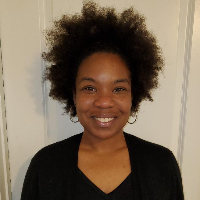
Asyia Hall
LCSW
Compassionate, practical care for anxiety and trauma
- Stress, Anxiety
- Trauma and abuse
- Grief
Clinical social work directory
625 therapists list infidelity among the things they work with. All offer sessions online, and every profile shows the registering body, the membership number and when it runs to.
Find therapists who list EMDR among their approaches to support individuals and couples dealing with infidelity and its aftermath. Below you can review therapist profiles that describe approaches, focus areas, credentials, and languages. Browse the listings to learn more and begin your path toward healing.
LCSW
Compassionate, practical care for anxiety and trauma
AASW
Practical, compassionate counselling for everyday challenges
LMFT, LCMFT
Helping people break painful relationship patterns
BACP
Compassionate relational counselling for change
AASW
Practical, culturally aware mental health support
LPCC
Practical trauma-informed counseling with EMDR
LCMHC
Experienced counselor who uses practical therapies
BACP
Experienced counsellor for trauma and life change
LPC
Supportive counselor focused on practical progress
BACP, NCPS
Therapist combining psychological insight with practical tools
LPC
Compassionate, experienced counseling for adults
LPC
Compassionate counselor for trauma and life change
LPC
Compassionate counselor focused on practical change
LMHC
Calm, practical support for life and trauma
NY Psychoanalyst
Experienced New York psychoanalyst blending skills and depth
BACP
Practical, nature-informed counselling and support
LPC
Compassionate, practical counseling for life changes
LPC
Compassionate, practical therapy for real-life struggles
LCSW
Practical, compassionate help for trauma and life change
LCSW
Compassionate, practical therapy for life challenges
LPC, LPCC
Calm, practical help for life’s hardest moments
LCPC
Experienced counselor focused on trauma and life change
LCSW
Practical, respectful therapy for life challenges
HCPC
Calm, practical care for emotional difficulty
ACA
Experienced ACA counsellor helping with trauma and stress
BACP
Experienced counsellor who uses EMDR and CBT
BACP
Calm, collaborative therapy with EMDR support
LMHC
Compassionate, practical therapy for life challenges
LPC
Calm, practical support for life’s hard moments
LCSW
Experienced LCSW focused on trauma and relationships
NCPS
Compassionate practical therapy for stress and trauma
LISW
Compassionate, practical therapy for life changes
LPC
Practical, experienced counselor for trauma and addiction
LCPC
Compassionate, trauma-informed counselor
BACP
Depth-focused counsellor for steady change
LMFT
Practical therapy for trauma and relationship struggles
NCPS
Practical, person-focused counselling for change
LPC
Trauma-informed counselor focused on connection and coping
BACP
Compassionate trauma-informed counsellor
Some links on this page are partner links. We will earn a commission if you sign up through one, at no cost to you. It does not change what you pay or the order of the listings.
Infidelity can take many forms - emotional involvement, physical affairs, secret online relationships, financial secrecy, or patterns of betrayal that erode trust over time. What feels like infidelity to one person may differ for another, because relationships are shaped by individual expectations, cultural norms, and the boundaries partners set together. You may find yourself questioning what happened, why it happened, and whether your relationship can be rebuilt. These are common and understandable responses when trust has been compromised.
The impact of infidelity is rarely limited to a single event. You may experience intense emotional reactions such as shock, anger, shame, guilt, grief, or numbness. Over time these reactions can affect your sense of safety in relationships, your self-esteem, and your ability to form close connections. Partners often describe a sense of disorientation, as routines and the assumptions that once felt reliable give way to uncertainty. If children or shared responsibilities are involved, practical concerns can add another layer of stress. Therapy can help you understand these emotional patterns, explore what you want going forward, and create a plan for repair or separation that aligns with your values.
You might consider seeking therapy if the emotional fallout from infidelity is interfering with your ability to work, sleep, or carry out daily responsibilities. Persistent intrusive thoughts, difficulty concentrating, or avoidance of reminders of the relationship can make it hard to function. If you find yourself replaying events, ruminating about motives, or swinging between reconciliatory and punitive impulses, a therapist can provide structure for processing these experiences and reducing their impact on your day-to-day life.
If conversations with your partner consistently escalate into blame or withdrawal, if you cannot agree on boundaries, or if you are unable to decide whether to attempt repair or pursue separation, therapy offers a guided space to work through these decisions. You may also benefit from therapy if trust issues persist after initial attempts to reconcile, or if either partner is experiencing symptoms of anxiety or depression related to the betrayal. Therapy can help you clarify priorities, identify patterns that contributed to the situation, and develop healthier ways of relating moving forward.
When you begin working with a therapist about infidelity, the early sessions typically focus on understanding the history of the relationship and how the event or pattern has affected both partners. A therapist will ask about timelines, communication patterns, and relevant personal histories to build a coherent picture. You and the therapist will discuss goals - whether you are seeking to repair the relationship, set firmer boundaries, heal individually, or navigate a separation. Therapy often moves at a pace that acknowledges the intensity of emotions while also creating manageable steps toward healing.
Therapy for infidelity can involve individual sessions, couples sessions, or a combination of both. Individual sessions allow you to explore personal feelings, trauma responses, and decision-making without the immediate presence of your partner. Couples sessions focus on communication, accountability, and rebuilding trust. Therapists adapt interventions to meet the needs of both partners, and you can expect practical exercises that support clearer communication, emotional regulation, and the reestablishment of boundaries. Progress is usually incremental, and a skilled therapist helps you track changes while validating the very real hard moments.
Therapists use a range of approaches when working with infidelity. Some focus on attachment patterns and relational dynamics to explore why trust was broken and how partners can reconnect. Others emphasize emotion-focused techniques to help you identify, express, and manage intense feelings in ways that foster empathy and understanding. Cognitive approaches may be used to address unhelpful thoughts, self-blame, or ruminative patterns that prolong distress. You may find therapists who list EMDR among their approaches, which some clients seek for processing distressing memories tied to betrayal. It is common for practitioners to integrate elements from multiple models to match the specific needs of the couple or individual.
In practice, a therapist might begin with interventions that stabilize strong emotions and reduce reactivity, then move toward deeper work on patterns and meaning-making. For example, you might first learn grounding or calming techniques to help you tolerate difficult conversations. Once emotional arousal has been addressed, the therapist may guide you through structured dialogues that improve mutual understanding and clarify expectations. Over time, practical tasks such as agreement on transparency, rebuilding routines, or redefining boundaries can support the emotional repair work.
Online therapy for infidelity generally mirrors in-person care in content and structure, but it is delivered through video, phone, or text-based messaging. You can attend sessions from a location that feels comfortable to you, which may make it easier to schedule regular appointments. Some therapists offer a combination of individual and joint online sessions, facilitating conversations that are difficult to coordinate in person. You should expect an initial consultation to discuss goals, logistics, and the practicalities of remote work, including plans for managing high-intensity moments during or after sessions.
When selecting a therapist for infidelity, think about the qualities and experience that matter most to you. Consider whether you want someone who works primarily with individuals, couples, or both. Look for therapists who describe experience helping people with betrayal, trust repair, communication rebuilding, and related issues. Note approaches that resonate with you, and keep in mind that some therapists list EMDR among their approaches while others emphasize relational or cognitive methods. Languages spoken, professional credentials, and years of experience can also factor into your decision. Finally, pay attention to how a therapist describes their style - whether they take a practical problem-solving approach, a more exploratory emotional focus, or an integrative stance - and choose someone whose style fits the way you like to work.
Before you begin, you may want to prepare a list of goals and questions to bring to an initial session. Think about what you need most right now - emotional processing, safety planning, clarity about next steps, or help communicating with your partner. If you are pursuing joint work, discuss with your partner whether you agree on the same goals and whether joint sessions are appropriate at this stage. Remember that progress often unfolds gradually, and the right therapist can provide guidance, tools, and a steady presence as you navigate the consequences of infidelity and decide what type of relationship life you want going forward.