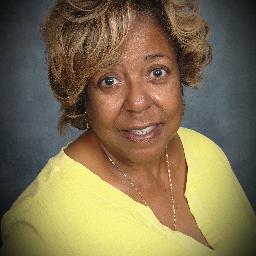
Asyia Hall
LCSW
Compassionate, practical care for anxiety and trauma
- Stress, Anxiety
- Trauma and abuse
- Grief
Clinical social work directory
651 therapists list blended family issues among the things they work with. All offer sessions online, and every profile shows the registering body, the membership number and when it runs to.
Browse therapists who list blended family issues among their specialties and view profiles organized by approach, credentials, languages, and areas of focus. Use the listings below to explore professionals whose experience aligns with the challenges you and your family are facing.
LCSW
Compassionate, practical care for anxiety and trauma
LPC
Trauma-aware counselor focused on practical change
AASW
Practical, compassionate counselling for everyday challenges
LMFT, LCMFT
Helping people break painful relationship patterns
NCPS
Support for anxiety, trauma, and life changes
BACP
Calm support for life’s difficult chapters
BACP
Compassionate relational counselling for change
AASW
Practical, culturally aware mental health support
LPC
Practical, trauma-informed counseling for life challenges
LCMHC
Experienced counselor who uses practical therapies
BACP
Experienced counsellor for trauma and life change
BACP, NCPS
Therapist combining psychological insight with practical tools
LPC
Compassionate, experienced counseling for adults
LPC
Compassionate counselor focused on practical change
LCSW
Trauma-informed LCSW focused on practical skills
NY Psychoanalyst
Experienced New York psychoanalyst blending skills and depth
BACP
Practical, nature-informed counselling and support
LPC
Compassionate, practical counseling for life changes
LPC
Compassionate, practical therapy for real-life struggles
LPC
Compassionate, practical support for life’s hard moments
LCSW
Compassionate, practical therapy for life challenges
LCPC
Experienced counselor focused on trauma and life change
BACP
Compassionate counsellor for trauma and life change
BACP
Compassionate, practical counselling for trauma and anxiety
HCPC
Calm, practical care for emotional difficulty
ACA
Experienced ACA counsellor helping with trauma and stress
LMHC
Compassionate, practical therapy for life challenges
LPC
Calm, practical support for life’s hard moments
LCSW
Experienced LCSW focused on trauma and relationships
LMHC
Warm, practical support for trauma and life change
LPC
Experienced counselor for trauma and life transitions
NCPS
Compassionate practical therapy for stress and trauma
LISW
Compassionate, practical therapy for life changes
LCPC
Compassionate, trauma-informed counselor
LMFT
Practical therapy for trauma and relationship struggles
NCPS
Practical, person-focused counselling for change
LPC
Trauma-informed counselor focused on connection and coping
Some links on this page are partner links. We will earn a commission if you sign up through one, at no cost to you. It does not change what you pay or the order of the listings.
When families come together after divorce, separation, or new partnerships, the result is often a blended family - a household where step-parents, step-siblings, half-siblings, and extended family members must form new relationships and roles. These transitions can bring rewarding connections, but they also introduce stresses that affect daily life, parenting, finances, and emotional wellbeing. You may find that routines that worked for one family do not translate easily when new members are added, and that differences in parenting philosophies, discipline, and expectations create ongoing friction.
The impact of blended family dynamics can show up in many ways. Children may express loyalty conflicts or act out as they adjust to new roles, while adults can feel grief for what was lost or uncertainty about boundaries. Communication breakdowns often compound other issues, leaving people feeling misunderstood or sidelined. Cultural differences, varied household rules, and unresolved grief over past relationships can deepen tensions. Over time, these dynamics can influence relationships across generations, affecting how family members relate to one another in everyday life and during important family events.
You might consider seeking help if conflicts are frequent, if children are struggling emotionally or behaviorally, or if you find yourself repeating the same arguments without progress. Signs that therapy could help include persistent tension during family interactions, avoidance of family gatherings, or repeated disagreements about parenting, finances, or household responsibilities. If a partner or child is withdrawing, often angry, or increasingly anxious in the family context, those are also indicators that outside support may be useful.
Therapy can be particularly helpful when past losses and changes are unacknowledged, when loyalties are divided, or when step-relationships feel undefined. You may notice that attempts to negotiate roles lead to stalemates, or that important conversations get derailed by anger or defensiveness. In those moments, having a neutral space to explore patterns and experiment with new ways of relating can reduce strain and help everyone find clearer expectations. Seeking support does not mean a family is failing - it means you are investing in healthier interactions and long-term stability.
When you begin therapy for blended family concerns, the process often starts with mapping the family structure and identifying the most distressing patterns. You might meet with individual family members and with groups of family members at different times, depending on what you need. Sessions typically involve exploring recent interactions that were painful or confusing, identifying goals for change, and practicing communication skills that reduce escalation. Early sessions often prioritize safety in conversation and establishing shared goals so that everyone understands the purpose of meeting.
Therapy provides an opportunity to build new problem-solving habits. You can expect exercises that help you express needs without blame, listen with curiosity, and negotiate compromises that respect children's developmental needs alongside adult relationship dynamics. Therapists will help you explore underlying feelings such as grief, fear, or resentment that can drive behavior. Over time, you may practice setting boundaries in ways that feel fair and consistent, and rehearse responses to common triggers so that interactions become less reactive. The pace and focus will be guided by what you and your family identify as most important.
Therapists who list blended family issues among their specialties often draw on a range of approaches to address relational patterns, communication, and emotional regulation. Family systems approaches examine how roles, alliances, and patterns of interaction maintain difficulties, helping you see problems as relational rather than the fault of one person. Attachment-informed perspectives can clarify how early caregiving experiences shape expectations and responses within the new family structure, which in turn helps you develop more attuned ways of connecting.
Other therapists may describe approaches that focus on skill-building and symptom relief, such as methods that teach concrete communication strategies, conflict resolution, and co-parenting techniques. Narrative and meaning-focused approaches can help you reframe family stories and create a shared sense of identity that includes both old and new members. Some professionals list trauma-informed methods among their approaches - in those cases, the emphasis is on understanding how past losses and stressful events shape reactions in the present. You will often find therapists who combine relational, developmental, and practical strategies, and many list multiple approaches on their profiles so you can see how they describe their work.
Online therapy allows you to connect with a therapist from your home or another comfortable environment, which can reduce logistical barriers like travel and scheduling. Sessions typically take place by video for family meetings so everyone can see each other and practice communication in real time. Some therapists also use phone sessions for individual check-ins or messaging tools for brief follow-up between sessions. The technology used aims to make interactions feel natural and to allow for role-playing, guided conversations, and shared exercises that you can do together even when you are not in the same physical space as the therapist.
Online work does not preclude active, hands-on interventions. Therapists often adapt exercises for the virtual environment, such as guiding family members through structured conversations, assigning home-based practice, or using screen sharing for worksheets. If you have children involved, therapists can tailor sessions by age and attention span, meeting with younger children for shorter intervals or incorporating play-based elements. You may also use online sessions to include extended family members who live apart, making it easier to address cross-household dynamics. The key is establishing clear expectations for how sessions will run so everyone understands their role and any technology needs.
Choosing a therapist begins with clarifying what you want to change and which relationships feel most strained. Look for profiles that mention blended family issues and describe approaches that align with your priorities - whether that is improving co-parenting, helping children adjust, managing step-parent roles, or resolving longstanding resentment. Pay attention to listed credentials and professional licenses to ensure the clinician’s background fits your expectations, and review languages spoken if that matters for communication in your family.
Read therapists' descriptions to learn how they talk about families and change. Some will emphasize skills training and practical strategies, while others frame work in terms of deeper relational repair. Consider whether you prefer a therapist who works with whole-family sessions, or someone who focuses on supporting individual members and then brings those gains into family meetings. If online work appeals to you, look for descriptions that explain how virtual sessions are structured. Above all, trust your sense of fit when you read profiles and sample descriptions - the relationship you build with a therapist is central to progress in blended family work.
Blended family life presents both challenges and opportunities for growth. With focused attention on communication, role clarity, and emotional repair, many families find pathways to greater understanding and connection. Use the directory listings below to explore therapists who list blended family issues among their specialties and to gather information about approaches, credentials, languages, and clinical focus so you can take the next step toward healthier family relationships.