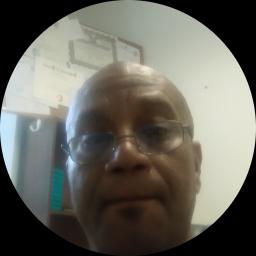
Dr. Darryl Mccarroll, LCSW
North Carolina · 8 years in practice
Dr. Darryl Mccarroll is a licensed clinical social worker who uses EMDR alongside other therapies to help people manage trauma, stress, addiction, and relationship concerns.
License and registration
- LCSW, North Carolina
- C014041 · expires July 2027
- NPI
- 1851957203 · national provider identifier
- Years in practice
- 8
- Languages
- English
Details are as listed on the therapist's public professional profile. You can check the license with the issuing state board, and the NPI with the national registry.
About Darryl
Dr. Darryl Mccarroll is a licensed clinical social worker who uses EMDR alongside other therapies to help people manage trauma, stress, addiction, and relationship concerns. He brings eight years of clinical experience and a practical, down-to-earth style to sessions.
Dr. Mccarroll works from North Carolina and offers therapy in English, including to international clients. He combines client-centered work with cognitive behavioral tools to address anxiety, depression, bipolar symptoms, and problem behaviors.
Background and approach
Sessions often focus on clear steps people can take between meetings, such as behavior changes and communication strategies. He also draws on dialectical behavior ideas when intense emotions or relationship patterns get in the way of daily life. Dr.
Mccarroll has background as an Army veteran and experience across nonprofit, hospital, group home, and school settings. That mix informs his approach with first responder issues, veteran and armed forces concerns, and multicultural situations. He also works with people facing grief, sexual assault and abuse, process addictions, and intimacy-related struggles.
People can expect straightforward talk, practical skills, and attention to personal values and life purpose. The first sessions typically review immediate concerns, safety, and goals, then move toward building skills and addressing trauma-related material when appropriate. He also offers coaching-style support for people focused on change and growth.
Therapy is offered through video calls, phone sessions, live chat, and text-based messaging. Sessions use a subscription model that can be canceled at any time, and scheduling follows the therapist matching process on the site.
Focus areas and approaches
Everything Darryl lists on their public professional profile, in their own terms.
- Stress, Anxiety
- Addictions
- Family conflicts
- Trauma and abuse
- Self esteem
- Relationship issues
- Grief
- Intimacy-related issues
- Anger management
- Bipolar disorder
- Depression
- Coaching
- Communication problems
- First responder issues
- Forgiveness
- Guilt and shame
- Isolation / loneliness
- Life purpose
- Veteran and Armed Forces Issues
- Multicultural concerns
- Personality disorders
- Polyamory / non-monogamous relationships
- Process addiction (porn, exercise, gambling)
- Self-love
- Sexual assault and abuse
- Social anxiety and phobia
Approaches Darryl names
- Eye Movement Desensitization and Reprocessing (EMDR)
- Client-Centered Therapy
- Cognitive Behavioral Therapy (CBT)
- Dialectical Behavior Therapy (DBT)
- Emotionally-Focused Therapy (EFT)
- Hypnotherapy
- Mindfulness Therapy
- Motivational Interviewing
- Narrative Therapy
- Psychodynamic Therapy
- Trauma-Focused Therapy
Naming an approach is not evidence of training in it. This directory copies what each therapist lists and does not check training records.
Online support
How EMDR, CBT, and Client-Centered Work Translate Online
EMDR is a trauma-focused method that helps people process disturbing memories and reduce their emotional intensity; online sessions can guide people through paced processing and grounding before and after memory work. Cognitive Behavioral Therapy, or CBT, focuses on changing unhelpful thoughts and behaviors with clear steps and homework exercises and works well through video or messaging when tracking progress between sessions. Client-Centered Therapy emphasizes listening, empathy, and the client's goals so the therapist follows the person's pace and priorities during each session.Finding the right approach is part of the work together. The therapist will discuss goals, preferences, and what feels manageable, then adapt methods in collaboration with the client. That makes therapy a shared process rather than a one-size-fits-all plan.
Online formats include video calls, phone sessions, live chat, and text-based messaging, which makes fitting therapy into busy schedules easier. Video is useful for full conversations and guided exercises, phone calls work well when bandwidth is limited, live chat allows short check-ins, and text messaging supports ongoing reflection or brief coaching between sessions. These options help people keep momentum and access consistent support regardless of location.
We will earn a commission if you sign up through our link, at no cost to you. It does not change what you pay or the order of the listings.
Questions people ask
What kinds of concerns does this therapist help with?
He addresses trauma and abuse, stress and anxiety, depression and bipolar symptoms, addictions, relationship and intimacy issues, grief, anger, and self-esteem concerns.
What is the therapist's general approach during sessions?
Work is practical and client-centered, mixing talk with skill-building from CBT and DBT, and using EMDR when trauma processing is appropriate.
How much clinical experience does he have?
He has eight years of clinical experience across nonprofit, hospital, group home, and school settings, plus military background that informs his work.
What credentials and location should I know about?
He holds the LCSW credential and practices from North Carolina under the designation NC LCSW.
Can I work with him if I'm not in the United States?
Sessions are offered to international clients and are provided in English.
Which session formats are available?
Sessions are available by video call, phone session, live chat, or text-based messaging to fit different needs and schedules.
How is pricing handled for sessions?
Cost varies with location and therapist availability; sessions run on a subscription that can be canceled at any time.
What are the first steps to begin therapy?
Click the Start Therapy button, complete a short matching questionnaire, and then schedule sessions based on the matching results.
More therapists in North Carolina
See allMary Kallenbach
LCMHC
Experienced counselor who uses practical therapies
- Stress, Anxiety
- Relationship
- Trauma and abuse
Janet Stone-Nielsen
LCSW
Trauma-informed LCSW focused on practical support
- Stress, Anxiety
- Relationship
- Family

Is this your profile?
Ask us to correct details or take the page down.
Contact us