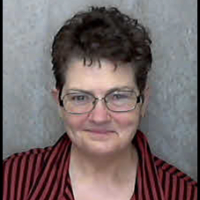
Wendi Makus
LPC
Trauma-aware counselor focused on practical change
- Stress, Anxiety
- Relationship
- Trauma and abuse
Clinical social work directory
615 therapists list first responder issues among the things they work with. All offer sessions online, and every profile shows the registering body, the membership number and when it runs to.
Browse profiles of therapists who list first responder issues as a specialty, including work with trauma, stress, burnout, and critical-incident reactions. Use the filters below to explore clinicians by approach, credentials, languages, and experience.
LPC
Trauma-aware counselor focused on practical change
AASW
Practical, compassionate counselling for everyday challenges
LCSW
Practical trauma-informed care with compassion
LMFT, LCMFT
Helping people break painful relationship patterns
AASW
Practical, culturally aware mental health support
LPCC
Practical trauma-informed counseling with EMDR
BACP
Experienced counsellor for trauma and life change
LPC
Supportive counselor focused on practical progress
LPC
Compassionate, experienced counseling for adults
LMHC
Calm, practical support for life and trauma
BACP
Practical, nature-informed counselling and support
LPC
Compassionate, practical counseling for life changes
LPC
Compassionate, practical therapy for real-life struggles
LCSW
Practical, compassionate help for trauma and life change
LCSW
Compassionate, practical therapy for life challenges
LPC, LPCC
Calm, practical help for life’s hardest moments
LCPC
Experienced counselor focused on trauma and life change
HCPC
Calm, practical care for emotional difficulty
ACA
Experienced ACA counsellor helping with trauma and stress
BACP
Experienced counsellor who uses EMDR and CBT
BACP
Calm, collaborative therapy with EMDR support
LPC
Calm, practical support for life’s hard moments
LCSW
Experienced LCSW focused on trauma and relationships
BACP
Practical, compassionate support for life’s challenges
LMHC
Warm, practical support for trauma and life change
NCPS
Compassionate practical therapy for stress and trauma
LCPC
Compassionate, trauma-informed counselor
BACP
Depth-focused counsellor for steady change
LPC
Calm, practical support for stress and trauma
LMHC
Therapist focused on healing and practical change
LPC
Calm, practical therapy for everyday struggles
LMHC
Practical, compassionate therapy for trauma and relationships
NCPS
Practical online therapy for life’s big challenges
LCSW
Compassionate LCSW focused on trauma recovery
LCSW
Compassionate, experienced trauma and addiction clinician
MD, LCSW-C, LCSW
Seasoned clinician blending medical insight and social work
LCMHC
Compassionate care for trauma and life stress
LPC
Compassionate counselor for trauma and life change
Some links on this page are partner links. We will earn a commission if you sign up through one, at no cost to you. It does not change what you pay or the order of the listings.
First responder issues refer to the range of emotional, psychological, and practical challenges that can arise from repeated exposure to crisis, trauma, and high-stakes decision making in roles such as firefighting, emergency medical services, law enforcement, dispatch, and rescue. The work can involve sudden losses, violent scenes, moral conflicts, and the pressure to act quickly with limited information. Over time these experiences may accumulate and shape how you feel, how you respond under stress, and how you relate to people at home and on the job.
You might notice shifts in mood, energy, and meaning that feel distinct from ordinary workplace stress. Some people describe a growing sense of numbness or detachment, while others report heightened reactivity, sleep disruption, or intrusive memories of calls and incidents. First responder issues also show up as practical problems - strained relationships, risky coping strategies, or difficulty concentrating during routine tasks. The effects can be episodic or persistent, and they often interact with organizational culture, shift schedules, and the expectations of the role.
Because the experiences that lead to first responder issues are tied to your work identity and responsibilities, addressing them often involves both symptom relief and attention to how you make meaning of what you have seen and done. Therapy can be a place to process events, learn strategies for managing stress, and explore how to sustain a career while protecting your wellbeing.
If you find yourself feeling constantly on edge, overwhelmed by memories of incidents, or emotionally numb when you would expect a different response, those are signs that help could be useful. You may sleep poorly, have recurrent nightmares related to work, feel irritable or short with colleagues and family, or notice increased reliance on substances or risky behaviors to cope. Some people become more withdrawn and isolate from friends and loved ones to avoid talking about their experiences.
First responder issues can change how you perform your job and how you relate to people outside work. You might have trouble concentrating during routine tasks or feel distrustful of others. Interpersonal strain can appear as difficulty comforting family members, abrupt outbursts, or trouble sustaining intimacy. If you are finding that calls are taking a bigger emotional toll than they used to, or that off-duty life feels dominated by work experiences, therapy can offer strategies to restore balance.
You do not need to wait for a crisis to reach out. Seeking therapy early can reduce the likelihood that symptoms intensify and can help you develop tools to manage exposure over the course of a career. If incidents feel more overwhelming than you expect, if coping mechanisms are causing new problems, or if relationships are suffering, those are reasonable triggers to look for professional support.
Your first sessions typically involve a practical intake conversation where you and the therapist map out what is most pressing for you. You can expect to talk about the nature of your work, the kinds of incidents that have affected you, your current coping strategies, and any physical or sleep issues you are experiencing. Together you will identify goals that feel meaningful - whether that is reducing intrusive memories, improving sleep, managing anger, or rebuilding relationships.
Therapy for first responder issues pays attention to pacing. Because exposure to traumatic material can feel re-traumatizing if rushed, many therapists emphasize a gradual approach that balances processing with stabilization. Your comfort with the pace matters, and you should expect ongoing collaboration about what techniques are tried and how progress is tracked. Building trust with a clinician who understands the culture of emergency work can help you speak plainly about difficult experiences without feeling judged.
Session content frequently blends education about stress responses with practical skills for regulation - breathing, grounding, sleep hygiene, and managing intense reactions on shift. Therapy may also address occupational issues like returning to work after a critical incident, navigating unit dynamics, or coping with moral distress. You can expect homework or practice assignments aimed at applying skills between sessions, and therapists often adapt their work to your schedule and the realities of shift work.
Therapists who work with first responders often combine trauma-focused methods with skills-based interventions to address both the emotional imprint of incidents and day-to-day coping. You may see approaches that emphasize processing memories and meaning, alongside techniques for emotional regulation, sleep, and managing arousal. Because formal credentials and training vary, directory profiles describe approaches that clinicians list rather than certify specific training credentials.
Some therapists list EMDR among their approaches, while others note trauma-focused cognitive-behavioral methods, narrative or exposure-based work, somatic therapies that focus on bodily responses to stress, and family or couples approaches to repair relationships impacted by work-related strain. Some clinicians describe adaptations for first responders such as brief critical-incident interventions, moral injury-focused conversations, and integration of occupational context into trauma processing. The common theme is a willingness to address the unique blend of acute event exposure and cumulative stress that characterizes first responder work.
Online therapy can use video calls, phone sessions, or asynchronous messaging as tools to connect you with a clinician. This flexibility can be helpful if you work nights, have unpredictable shifts, or move between locations. Many therapists describe working with people across larger geographic areas and adapting session times to fit shift patterns. You should consider how different formats fit your needs - video sessions can approximate in-person interaction, while messaging can supplement between-session support.
When you work through intense material online, it's common to create a safety plan that includes local emergency contacts and strategies for coping if you feel overwhelmed between sessions. Therapists often discuss how they will coordinate care if you need additional support, and they may suggest connections to local resources for crisis response or medical concerns. Because legal requirements vary by location, you may want to confirm how a clinician handles jurisdictional matters and emergency procedures in your area.
Online therapy requires reliable technology and a place where you can speak candidly. You may need to plan for privacy during shifts or while off-duty, and to consider how to minimize interruptions. Session length, payment methods, and documentation practices also vary, so look for clinicians whose logistical approach matches what you can manage. Many find that consistent virtual sessions make it easier to maintain therapeutic progress during busy or geographically mobile phases of a first responder career.
Start by looking at the focus areas therapists list and the approaches they emphasize. Some clinicians highlight experience with trauma and critical-incident work, while others center on burnout, sleep disruption, or family impact. Because directories reflect what clinicians report about their practice, pay attention to whether descriptions resonate with your concerns. You may prefer a therapist who names approaches that match your preferences - for example, whether you want somatic tools, trauma processing, or skills-oriented sessions.
Consider clinicians who indicate experience working with first responders or who mention familiarity with the culture of emergency services. Credentials and licensure give you information about professional background, while language options and cultural competence can affect how well you feel understood. Think about whether you want someone who has worked with people in similar roles or someone whose general trauma experience translates well to your context.
Reflect on what logistical factors matter to you - session format, communication style, fee structure, and how the clinician handles privacy and record-keeping. It is reasonable to read several profiles to compare approaches, languages spoken, and descriptions of experience. You can use initial contact to ask about their experience with first responder issues, how they approach pacing and safety, and how they tailor work to shift schedules. Finding a therapeutic relationship that feels respectful, practical, and attuned to the realities of first responder life is often more important than any single label or technique.
Engaging with therapy is a practical step you can take to support your wellbeing and sustain a career in demanding work. Whether you are addressing a recent critical incident or the wear of cumulative exposure, therapists who list first responder issues among their specialties may offer approaches that align with your needs and goals. Use the directory to explore profiles and find clinicians whose descriptions match the support you are seeking.