
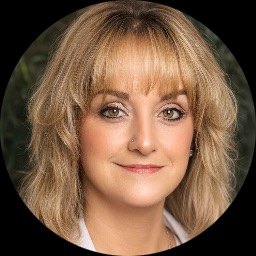
Eugenia Lindsey, LCSW
Virginia · 38 years in practice
Eugenia Lindsey is a licensed clinical social worker with 38 years of experience who helps people facing trauma, grief, depression, parenting strain, and identity concerns.
License and registration
- LCSW, Virginia
- 0904001996 · expires June 2026
- NPI
- 1730468935 · national provider identifier
- Years in practice
- 38
- Languages
- English, Spanish
Details are as listed on the therapist's public professional profile. You can check the license with the issuing state board, and the NPI with the national registry.
About Eugenia
Eugenia Lindsey is a licensed clinical social worker with 38 years of experience who helps people facing trauma, grief, depression, parenting strain, and identity concerns. She speaks English and Spanish and works with individuals dealing with life changes and emotional pain. Her style is warm and straightforward.
She listens first, then helps people name what matters most. Sessions focus on practical steps people can use outside appointments as well as understanding patterns that keep them stuck.
Background and approach
Eugenia uses several approaches to tailor care to each person. She draws on attachment-based ideas to look at how early relationships shape current bonds. She also uses narrative therapy to help people reframe difficult stories about themselves.
Eye Movement Desensitization and Reprocessing, often called EMDR, is part of her toolkit for people coping with traumatic memories. Over nearly four decades she has supported people through a wide range of concerns. These include bipolar disorder, eating and sleeping problems, anger, low self-esteem, ADHD, and intimacy-related issues.
She also addresses specific life circumstances like caregiver stress, chronic illness, immigration issues, and family-of-origin troubles. People come for help with both sudden crises and long-term struggles. The focus is to build clearer understanding and usable coping skills.
Eugenia aims to help each person find steadier ground and more workable ways to move forward.
Focus areas and approaches
Everything Eugenia lists on their public professional profile, in their own terms.
- Trauma and abuse
- Grief
- Parenting issues
- Bipolar disorder
- Depression
- LGBT
- Intimacy-related issues
- Eating disorders
- Sleeping disorders
- Anger management
- Self esteem
- Coping with life changes
- ADHD
- Abandonment
- Adoption and foster care
- Attachment issues
- Blended family issues
- Cancer
- Caregiver issues and stress
- Chronic pain, illness, and disability
- Coping with natural or human-caused disaster
- Domestic violence
- Family of origin issues
- Family problems
- First responder issues
- Guilt and shame
- Hospice and end-of-life counseling
- Immigration issues
- Impulsivity
- Life purpose
- Multicultural concerns
- Personality disorders
- Postpartum depression
- Post-traumatic stress
- Pregnancy and childbirth
- Sexual assault and abuse
- Women's issues
- Young adult issues
Approaches Eugenia names
- Eye Movement Desensitization and Reprocessing (EMDR)
- Attachment-Based Therapy
- Client-Centered Therapy
- Existential Therapy
- Narrative Therapy
- Psychodynamic Therapy
- Solution-Focused Therapy
- Trauma-Focused Therapy
- Internal Family Systems
Naming an approach is not evidence of training in it. This directory copies what each therapist lists and does not check training records.
Online support
How Eugenia’s Approaches Work Online
Attachment-Based Therapy looks at how past relationships influence current connections and emotional responses. Online work can help identify patterns that affect parenting, intimacy, and caregiving stress and support building more supported ways of relating. Narrative Therapy focuses on the stories people tell about themselves and helps rewrite those stories in more helpful ways; it is useful for grief, identity questions, and healing after trauma. EMDR, or Eye Movement Desensitization and Reprocessing, is used for processing distressing memories and reducing the impact of traumatic events when that method seems appropriate.Choosing the right approach is part of the therapy process. The therapist collaborates with each person to decide which methods fit their goals, needs, and comfort level. Sessions often blend techniques so people can try different ways of working and see what helps most.
Online sessions give practical flexibility. Video calls let people use visual cues and a fuller conversation. Phone sessions work well when bandwidth is limited or when a shorter check-in fits a lunch break. Live chat and text-based messaging make it easier to send quick updates, keep momentum between appointments, or manage anxiety in real time. These options make it simpler to maintain regular contact and fit therapy into a busy life.
We will earn a commission if you sign up through our link, at no cost to you. It does not change what you pay or the order of the listings.
Questions people ask
What kinds of concerns does Eugenia address?
She works with trauma and abuse, grief, depression, bipolar disorder, parenting strain, LGBT issues, intimacy concerns, eating and sleeping problems, anger, self-esteem, ADHD, and related life stresses.
What is her general therapeutic style?
Her approach is client-centered and practical. She listens closely, helps people reframe their stories, and focuses on steps clients can use between sessions.
How much clinical experience does she have?
She brings 38 years of clinical practice as a licensed social worker helping people through trauma, chronic illness, caregiver stress, and family issues.
What are her credentials and where is she based?
She is a Licensed Clinical Social Worker - LCSW - licensed in Virginia and provides services from that region.
Which languages are supported for sessions?
Sessions are offered in English and Spanish to accommodate a wider range of clients.
How are therapy sessions delivered?
She offers several online formats including video calls, phone sessions, live chat, and text-based messaging to fit different needs and schedules.
How is cost handled for sessions?
Cost varies with location and therapist availability; sessions use a subscription that can be canceled at any time.
What should I do to begin working with her?
To start, select the Start Therapy button, complete a short matching questionnaire, and schedule sessions according to the therapist's availability.
More therapists in Virginia
See allKitty Hall
LCSW
Practical, person-focused therapy for stress and trauma
- Stress, Anxiety
- Trauma and abuse
- Grief
Andrew Leonard
LCSW
Helping people manage stress and relationships
- Stress, Anxiety
- Relationship
- Family

Dr. Ratha Zeidan-Lukacs
LMHC, LPC
Practical therapy for life stress and relationships
- Stress, Anxiety
- Relationship
- Self esteem

Venise Darisme
LCMHC, LPC
Calm, practical therapy for trauma and life change
- Stress, Anxiety
- Grief
- Eating

Is this your profile?
Ask us to correct details or take the page down.
Contact us