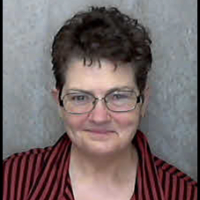
Sheri Bell-O'Gara
LCSW
Practical trauma-informed care with compassion
- Stress, Anxiety
- Trauma and abuse
- Grief
Clinical social work directory
397 therapists list hospice and end-of-life counseling among the things they work with. All offer sessions online, and every profile shows the registering body, the membership number and when it runs to.
This page connects you with therapists who focus on hospice and end-of-life counseling, offering emotional support, advance care conversations, and grief work. Browse the profiles below to compare focus areas, approaches, credentials, and languages.
LCSW
Practical trauma-informed care with compassion
LMFT, LCMFT
Helping people break painful relationship patterns
NCPS
Support for anxiety, trauma, and life changes
BACP
Experienced counsellor for trauma and life change
LPC
Compassionate, experienced counseling for adults
LPC
Compassionate counselor for trauma and life change
NY Psychoanalyst
Experienced New York psychoanalyst blending skills and depth
BACP
Practical, nature-informed counselling and support
LCSW
Compassionate, practical therapy for life challenges
LCSW
Practical, person-focused therapy for stress and trauma
LCPC
Experienced counselor focused on trauma and life change
LCSW
Practical, respectful therapy for life challenges
BACP
Compassionate counsellor for trauma and life change
HCPC
Calm, practical care for emotional difficulty
ACA
Experienced ACA counsellor helping with trauma and stress
BACP
Calm, collaborative therapy with EMDR support
LCSW
Experienced LCSW focused on trauma and relationships
LMHC
Warm, practical support for trauma and life change
NCPS
Compassionate practical therapy for stress and trauma
LISW
Compassionate, practical therapy for life changes
LPC
Trauma-informed counselor focused on connection and coping
BACP
Gentle, mindful support for difficult moments
NCPS
Practical online therapy for life’s big challenges
LPC
Calm, practical therapy for tough life moments
LCSW
Compassionate, experienced trauma and addiction clinician
MD, LCSW-C, LCSW
Seasoned clinician blending medical insight and social work
LPC
Compassionate counselor with practical therapeutic tools
BACP
Person-centred counsellor using practical therapies
LCSW
Trauma-informed LCSW focused on practical support
LCPC
Compassionate guidance for changing self-talk
BACP
Calm relational and trauma-informed counselling
BACP
Experienced integrative therapist with health background
NCPS
Practical, integrative counselling for everyday challenges
LCSW
Practical therapy for stress, trauma, and relationships
LPC-MH
Compassionate, practical therapy for life’s hard moments
BACP
Compassionate relational counsellor for trauma recovery
Some links on this page are partner links. We will earn a commission if you sign up through one, at no cost to you. It does not change what you pay or the order of the listings.
Hospice and end-of-life counseling supports people facing terminal illness, progressive decline, or the final phase of life, and it also addresses the needs of those who care for them. You may seek this kind of counseling to process the emotional aspects of a life-limiting diagnosis, to prepare for care conversations, or to find ways to create meaning in the time that remains. Counseling in this area often intersects with practical issues such as decision making, legacy planning, and communication with family and medical teams, which means therapy can be a space for both feelings and problem solving.
The impact of end-of-life concerns touches relationships, identity, and everyday routines. You may notice changes in how you relate to others, shifts in your sense of purpose, or new anxieties about loss and change. For caregivers, the burden of responsibility and anticipatory grief can be intense. Counseling aims to help you navigate these changes by offering a calm, steady process for exploring fears, values, and priorities while acknowledging the very real logistical and relational work that accompanies serious illness.
You might be considering counseling if you find your emotions overwhelming, if conversations about care and wishes are stuck or conflictual, or if you are having trouble sleeping, concentrating, or making decisions. Persistent feelings of sadness, anger, isolation, or numbness after learning about a prognosis are common indicators that professional support could help you process what is happening. Caregivers who feel exhausted, resentful, or constantly anxious may also benefit from dedicated sessions to address burnout and resilient coping strategies.
Other signs include difficulty communicating with medical teams or family, avoidance of important conversations about advance directives or last wishes, and a sense that the practical work of planning is overshadowing emotional needs. You may find it useful to seek counseling simply to have a trusted person help you sort priorities, communicate more clearly with loved ones, or explore spiritual and existential questions that arise as you face loss and transition.
In your first conversations a therapist will usually ask about your current situation, what brought you to counseling, and what outcomes matter most to you. You can expect a collaborative approach where your goals shape the focus of sessions. Some meetings will center on emotional processing - naming fears, grief, or anger - while others will focus on practical tasks such as preparing for medical appointments, rehearsing difficult conversations, or identifying sources of support in your community.
Sessions often blend listening, reflection, and concrete skills. A therapist may offer communication techniques to help you express wishes to family, grounding practices to manage acute distress, or structured exercises to explore meaning and legacy. Family sessions can create space for shared storytelling and boundary setting, while individual sessions allow for personal exploration of sorrow and hope. The pace is guided by you - some people prefer steady weekly sessions, others meet intermittently for focused planning or crisis support - and the therapist’s role is to provide steady guidance without imposing decisions.
Therapists who work in this specialty draw on a range of approaches to meet different needs. Meaning-centered therapy emphasizes values, legacy, and the search for purpose when facing life-limiting conditions. Narrative approaches invite you to tell and reshape the story of illness, identity, and relationships so that the experience fits within a broader sense of self. Grief-focused therapy provides tools and space for mourning losses that can begin long before death, including the loss of roles, abilities, and future expectations.
Cognitive-behavioral methods may be used to address anxiety, insomnia, or persistent negative thinking, offering techniques to manage distressing thoughts and build coping routines. Family systems work helps address relational patterns and unresolved conflicts that become more salient in end-of-life contexts. Some therapists list EMDR among their approaches; in that case, they may incorporate it as one of several tools to process traumatic memories or intense emotions. Mindfulness-based and acceptance-oriented practices are also often included to help you find calm and ground yourself in the present moment.
Online counseling lets you meet with a therapist from your home, a caregiver's workplace, or another location that feels accessible. Sessions typically take place via video or phone, and you can expect a therapeutic structure similar to in-person work - intake conversations, goal setting, and ongoing progress checks - adapted to the medium. For people with mobility concerns, tight schedules, or geographic distance from specialized clinicians, online sessions can increase the range of practitioners you can work with and reduce the time and energy cost of attending therapy.
You should plan a quiet space where you feel comfortable speaking and, if helpful, a way to manage interruptions. Therapists often discuss boundaries around calls and offer guidance about who should be present for family meetings. If technology is new to you, many clinicians provide brief orientation so you can focus on the work instead of the platform. While online therapy can be highly effective for conversation-based support and skills work, some people prefer a combination of in-person visits and remote sessions depending on their changing needs and energy levels.
When you review therapist profiles, pay attention to the types of issues they list as focus areas - grief, caregiver stress, advance care planning, or spiritual concerns - and the approaches they describe. Look for clinicians who present experience with family meetings, bereavement work, or meaning-oriented therapies if those areas matter to you. Remember that a therapist listing an approach does not guarantee formal certification in it; consider their overall approach, how they describe collaboration, and whether they mention working with people in similar circumstances.
Think about practical factors that influence fit, such as the languages a therapist offers, familiarity with your cultural or faith background, and whether they describe work with caregivers as well as patients. It can help to read therapist statements about values and therapy style to get a sense of whether they emphasize emotional processing, practical planning, or a balance of both. If you are considering online work, note how therapists describe their remote process and whether they mention accommodating family sessions across time zones.
Finally, trust your instincts about rapport. The relationship you form with a therapist matters as much as any listed approach. You may reach out to more than one clinician to get a sense of tone and communication style before deciding which profile feels like the best fit for the emotional and practical journey you are undertaking.