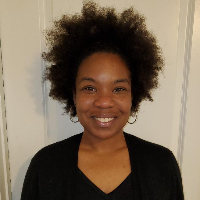
Asyia Hall
LCSW
Compassionate, practical care for anxiety and trauma
- Stress, Anxiety
- Trauma and abuse
- Grief
Clinical social work directory
813 therapists list family of origin issues among the things they work with. All offer sessions online, and every profile shows the registering body, the membership number and when it runs to.
On this page you will find therapists who focus on family of origin issues, with profiles that list approaches, credentials, languages and focus areas. Browse the listings below to review practitioners and learn more about their approaches to addressing patterns rooted in family history.
LCSW
Compassionate, practical care for anxiety and trauma
LPC
Trauma-aware counselor focused on practical change
LCSW
Practical trauma-informed care with compassion
LMFT, LCMFT
Helping people break painful relationship patterns
LPC
Compassionate counselor for lasting change
BACP
Calm support for life’s difficult chapters
BACP
Compassionate relational counselling for change
AASW
Practical, culturally aware mental health support
LPC
Practical, trauma-informed counseling for life challenges
LCMHC
Experienced counselor who uses practical therapies
LCSW, CSW
Connecting strengths with steady change
LMFT
Experienced therapist guiding practical change
BACP
Experienced counsellor for trauma and life change
LPC
Compassionate, experienced counseling for adults
LPC
Compassionate counselor for trauma and life change
LCSW
Trauma-informed LCSW focused on practical skills
NY Psychoanalyst
Experienced New York psychoanalyst blending skills and depth
BACP
Practical, nature-informed counselling and support
LPC
Compassionate, practical counseling for life changes
LPC
Compassionate, practical therapy for real-life struggles
LCSW
Compassionate, practical therapy for life challenges
LCSW
Therapist focused on trauma and life change
LCPC
Experienced counselor focused on trauma and life change
LMHC
Practical skills for anxiety and trauma recovery
BACP
Compassionate, practical counselling for trauma and anxiety
HCPC
Calm, practical care for emotional difficulty
ACA
Experienced ACA counsellor helping with trauma and stress
LPC
Calm, practical support for life’s hard moments
LCSW
Experienced LCSW focused on trauma and relationships
LCSW
Experienced LCSW helping people heal and cope
LMHC
Warm, practical support for trauma and life change
NCPS
Compassionate practical therapy for stress and trauma
LISW
Compassionate, practical therapy for life changes
LPC
Practical, experienced counselor for trauma and addiction
LCPC
Compassionate, trauma-informed counselor
LMFT
Practical therapy for trauma and relationship struggles
LPC
Calm, practical support for stress and trauma
LPC
Calm practical therapy for life’s stressors
Some links on this page are partner links. We will earn a commission if you sign up through one, at no cost to you. It does not change what you pay or the order of the listings.
Family of origin issues refer to the ways your early family relationships, roles and experiences shape how you relate to yourself and others. These issues are not limited to dramatic events. They can include patterns of communication that discouraged emotional expression, roles you were assigned in your household that felt unsafe or constraining, repeated messages about worth and identity, or subtle dynamics that taught you how to cope. Over time these influences shape your expectations in relationships, your sense of trust and your strategies for managing stress and conflict.
Because family of origin issues are woven into everyday interactions, you may not always notice them until they cause friction in adult relationships or affect your wellbeing. You might find yourself repeating the same conflict patterns with partners or coworkers, feeling strongly reactive in certain situations for reasons that seem disproportionate, or struggling with self-worth in ways that echo messages you heard as a child. Understanding these roots can be freeing; it often reframes personal struggles as adaptations to earlier environments rather than fixed personal flaws.
You may consider family of origin work when patterns from your past interfere with your present goals or relationships. Common signals include chronic relationship conflicts that mirror family dynamics, difficulty setting or maintaining boundaries, persistent feelings of guilt or obligation tied to family roles, or a sense that you do not know who you are outside of family expectations. You might also notice emotional reactions that feel sudden or intense - such reactions often have historical triggers within family stories or unresolved interactions.
Another sign is difficulty forming supported attachments or trusting others, even when external circumstances are supportive. If you find yourself avoiding intimacy, overcompensating through caretaking, or recreating caretaking dynamics that were present in your family, these can all point toward family of origin influences. You do not need a clear list of traumatic events to benefit from this work. Many people pursue it to change repeating patterns, to clarify personal values, or to parent differently than they were parented.
When you begin therapy for family of origin issues, the first phase often involves exploration. You and your therapist will talk about your family history, the roles you played, and memorable interactions that shaped your sense of self. This is a collaborative process - you will bring your experience and priorities, and the clinician will offer perspective on patterns and relational dynamics. Sessions typically focus on both understanding past influences and developing practical skills to respond differently in the present.
Therapy may include working with memories, practicing new ways of communicating and boundary-setting, and developing tools for emotional regulation. You can expect a mix of reflective conversation and experiential work that helps translate insight into daily living. Progress is often non-linear; some weeks you may feel more clarity, and other weeks you may encounter strong emotions as you address longstanding patterns. A supportive therapeutic relationship can help you tolerate those fluctuations while you practice new responses.
Online therapy is a common option for people addressing family of origin issues. In virtual sessions you can engage in the same exploratory and skill-focused work you would in person. Online formats may also offer practical advantages - you can meet from a familiar setting, reduce travel time, and access therapists who work across wider geographic areas. If you choose online sessions, it can help to set up a quiet, comfortable environment where you can speak openly and focus. Discuss with a prospective therapist how they structure online sessions, how they handle emotionally intense moments, and what practices they recommend between sessions to support integration of insights.
Therapists address family of origin issues with a range of approaches, and many clinicians combine methods to match your needs. Some therapists emphasize relational and psychodynamic perspectives that explore how family narratives and unconscious patterns influence current relationships. Others focus on attachment-based approaches that look at how early bonds shape trust and emotional regulation. Narrative-oriented work helps you reframe and rewrite family stories so they feel less determinative.
There are also approaches that include body-oriented or somatic work to address how stress and early interactions live in the body. Cognitive-behavioral strategies can be useful for identifying thinking patterns learned from family messages and for practicing concrete changes in behavior. You may also encounter therapists who list EMDR among their approaches; in that case, the technique is described as one option they use to process distressing memories and sensations that relate to family history. Whatever the approach, look for clinicians who explain how they integrate these methods and how they tailor them to relationship patterns and developmental history rather than applying a one-size-fits-all model.
Choosing a therapist is a personal process. Start by identifying what matters most to you - whether that is working with someone who understands particular cultural or family contexts, a clinician who speaks your preferred language, or a practitioner who describes experience with relationship repair, parenting transitions, or trauma-related symptoms. Review profiles for stated focus areas, listed approaches and credentials, and any descriptions of populations the therapist frequently works with. These details can help you find professionals whose orientation matches the kind of work you want to do.
Think about the practical fit as well. Consider whether you prefer sessions in person or online, the typical session length and frequency described by the therapist, and how they explain their process. Prepare a few questions to ask during an initial conversation, such as how they approach family history exploration, what outcomes they aim for in this work, and how they support clients when strong emotions arise. Pay attention to how the therapist describes collaboration - you should feel that your goals shape the work. Trust your sense of rapport when you review how a therapist communicates about their approach and how they respond to your questions.
Lastly, remember that therapy is an active process. You can expect to do both reflective exploration and practical experiments between sessions. Changing long-standing family patterns often involves building new habits in relationships and practicing different ways of showing up. With thoughtful selection and a clear sense of your goals, therapy can be a space where you reclaim choices about how you relate to yourself and others and where patterns from the past become context rather than destiny.