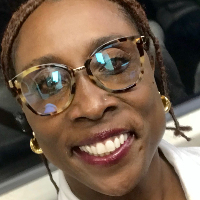
Bridgez English
LCMHC
Practical, trauma-informed counseling for adults
- LGBT
- Stress, Anxiety
- Relationship
Clinical social work directory
757 therapists list lgbt among the things they work with. All offer sessions online, and every profile shows the registering body, the membership number and when it runs to.
This directory page highlights clinicians who list LGBT as a specialty and who list EMDR among their approaches, with information on focus areas like identity, relationships, and minority stress. Browse the therapist listings below to review each clinician's approaches, credentials, languages, and practice focus to find a helpful match.
LCMHC
Practical, trauma-informed counseling for adults
LPC
Calm, practical guidance for life’s hard moments
LMFT, LCMFT
Helping people break painful relationship patterns
MD, LCPC
Compassionate practical therapy for life’s challenges
BACP
Calm support for life’s difficult chapters
AASW
Practical, culturally aware mental health support
LPC
Centered, practical therapy for everyday struggles
LCMHC
Experienced counselor who uses practical therapies
BACP
Experienced counsellor for trauma and life change
BACP, NCPS
Therapist combining psychological insight with practical tools
LPC
Compassionate counselor for trauma and life change
LMHC
Calm, practical support for life and trauma
LPC
Compassionate, practical therapy for real-life struggles
LCSW
Compassionate, practical therapy for life challenges
LPC, LPCC
Calm, practical help for life’s hardest moments
LMHC
Practical skills for anxiety and trauma recovery
ACA
Experienced ACA counsellor helping with trauma and stress
LPC
Practical trauma-informed therapy that teaches skills
NCPS
Compassionate counselling with practical tools
LCSW
Experienced LCSW focused on trauma and relationships
LMHC
Warm, practical support for trauma and life change
NCPS
Compassionate practical therapy for stress and trauma
LPC
Practical, experienced counselor for trauma and addiction
LMFT
Practical therapy for trauma and relationship struggles
NCPS
Practical, person-focused counselling for change
LPC
Trauma-informed counselor focused on connection and coping
BACP
Gentle, mindful support for difficult moments
Some links on this page are partner links. We will earn a commission if you sign up through one, at no cost to you. It does not change what you pay or the order of the listings.
LGBT is an umbrella term that refers to people who identify as lesbian, gay, bisexual, or transgender. Many pages and conversations expand that acronym to include queer, questioning, intersex, asexual, and other sexual and gender minorities. Being part of an LGBT community can mean a rich source of connection and identity, yet it can also bring unique stressors rooted in social stigma, family dynamics, workplace challenges, and legal or policy barriers. You may have experienced subtle or overt rejection from family members, difficulty accessing affirming health care, worries about safety in public spaces, or internal conflict as you explore identity. These experiences, whether recent or long past, can shape mood, relationships, and your sense of self.
People who identify as LGBT do not share a single story. Some come to therapy to process coming out, to grieve relationships that changed after disclosure, or to heal from trauma related to harassment or assault. Others seek support around romantic relationships, fertility and parenting questions, navigating transitions, or coping with anxiety and depression that may be tied to minority stress. Understanding this diversity of experience is important when you look for a therapist, since clinicians vary in which aspects of LGBT life they focus on and how they describe their clinical work.
You might consider seeking therapy if you notice persistent distress that affects daily functioning, relationships, or work. That distress can show up as recurring anxiety, depressed mood, difficulty trusting others, sleep disruption, or avoidance of social situations. You may find that identity-related stress surfaces in interactions with family or partners, or that previous experiences of discrimination or trauma resurface at particular life stages. If you are thinking about a gender transition, exploring your sexual orientation, or considering coming out to someone important, therapy can provide a space to clarify values, plan communication, and manage emotional responses.
Therapy can also help when concerns feel more specific. You may be coping with internalized stigma or self-criticism about identity, struggling with relationship patterns that feel tied to earlier rejection, or managing depression or panic that seems linked to experiences of exclusion. Even if your challenges are not directly about identity - for example, work stress or grief after a loss - having a clinician who understands LGBT contexts can make the therapeutic work more relevant. If you find yourself repeatedly searching for answers, feeling stuck, or wanting a better sense of how to move forward, those are practical reasons to explore therapy options.
When you start therapy, the first phase often involves assessment and building a working relationship. A clinician will typically ask about your background, what brought you in, and what goals you hope to address. You can expect a focus on understanding how your identity, relationships, and experiences have influenced current feelings and behaviors. Therapy tends to be collaborative: you and the therapist set goals together and check in on progress over time. Sessions are usually around 45 to 60 minutes and may occur weekly or at another rhythm you agree on.
Content and pace vary depending on your priorities. If you are processing trauma, the clinician may help you develop coping skills and a sense of safety before addressing painful memories. If you are exploring coming out, sessions might include planning conversations with family or practicing language that feels authentic to you. Some people use therapy as a space to explore identity without pressure to change anything, while others focus on practical steps such as legal name changes, navigating medical options, or improving relationship communication. You have the option to raise boundaries about topics you are not ready to address and to ask for clarification about any proposed approach.
Therapists may describe their work using a variety of approaches. Some clinicians emphasize cognitive behavioral strategies to address negative thought patterns and behavior cycles, while others use narrative approaches that help you rewrite the stories you tell about yourself. Acceptance and commitment models focus on identifying values and taking actions aligned with those values, even when difficult emotions arise. Psychodynamic perspectives explore how earlier relationships and life experiences shape current patterns. Mindfulness-based work and somatic practices are sometimes used to help you regulate bodily responses to stress and to cultivate present-moment awareness.
In addition to these general modalities, you will encounter clinicians who list EMDR among their approaches. When a therapist lists EMDR among their approaches, they may use elements associated with that method for processing memories and distressing experiences, always adapting to your readiness and preferences. Therapists working with LGBT clients may also integrate culturally informed perspectives that pay attention to minority stress, identity development, and community resources. When reviewing therapist profiles, look for language that resonates with your needs - whether that means trauma processing, identity exploration, couples work, or coping skills for anxiety and depression.
Online therapy can expand your options, especially if you live in an area with fewer clinicians who explicitly list LGBT specialties. With video or phone sessions, you can work with clinicians who share your language or who describe experience with the issues you want to address. Online work typically follows the same structure as in-person therapy - you meet at an agreed time, discuss goals and progress, and complete therapeutic tasks between sessions when helpful. Many people appreciate the convenience of attending sessions from a comfortable environment, while others prefer a clinician's office or a neutral location for in-person work.
When choosing a therapist, start by clarifying what matters most to you. You may prioritize shared identity, experience with specific concerns like gender transition or relationship work, a clinician who lists EMDR among their approaches, or someone who works with families. Consider practical factors such as languages spoken, cultural competence, and whether the therapist describes experience with the systems - medical, legal, or school - that intersect with your needs. Reading clinician profiles can help you identify how they frame their work and whether their approach feels respectful and informed. You can also prepare questions to ask in an initial contact message, such as how they approach identity exploration, what kinds of therapy they typically offer, and how they integrate community resources into care.
It is reasonable to give yourself time to find a good fit. If a first clinician does not feel like the right match, that does not mean therapy is not useful - it may mean you need a different therapeutic style, a clinician with different experience, or a better logistical fit. Trust your sense of how well a therapist understands your concerns and whether you can imagine doing the work together. Finally, balance your immediate needs with long-term goals - some people seek short-term practical support, while others appreciate the space to explore identity and relationships over time. Choosing a therapist is a personal decision, and taking steps to find a clinician who listens to your priorities can help you get the most out of the process.
Finding a therapist who understands LGBT-related issues and who lists approaches that align with your goals can make therapy more relevant and effective. Whether you are navigating identity, relationship concerns, minority stress, or trauma, a clinician who speaks to your experience can help you map a path forward. Use the listings on this page to review clinicians' described approaches, credentials, focus areas, and languages, and reach out to those whose profiles feel like a fit for the work you want to do.