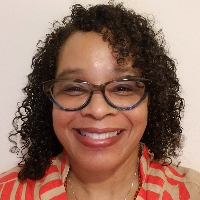
Tracey Wisdom
AASW
Practical, compassionate counselling for everyday challenges
- Stress, Anxiety
- Relationship
- Trauma and abuse
Clinical social work directory
674 therapists list domestic violence among the things they work with. All offer sessions online, and every profile shows the registering body, the membership number and when it runs to.
On this page you can browse profiles of therapists who work with people affected by domestic violence and who list EMDR among their approaches. Use the listings below to compare focus areas, credentials, languages, and therapeutic approaches as you begin your search.
AASW
Practical, compassionate counselling for everyday challenges
LCSW
Practical trauma-informed care with compassion
LMFT, LCMFT
Helping people break painful relationship patterns
BACP
Calm support for life’s difficult chapters
BACP
Compassionate relational counselling for change
AASW
Practical, culturally aware mental health support
LPC
Centered, practical therapy for everyday struggles
LPC
Practical, trauma-informed counseling for life challenges
LMFT
Experienced therapist guiding practical change
BACP
Experienced counsellor for trauma and life change
BACP, NCPS
Therapist combining psychological insight with practical tools
LPC
Compassionate, experienced counseling for adults
LPC
Compassionate counselor for trauma and life change
LMHC
Calm, practical support for life and trauma
NY Psychoanalyst
Experienced New York psychoanalyst blending skills and depth
BACP
Practical, nature-informed counselling and support
LPC
Compassionate, practical counseling for life changes
LPC
Compassionate, practical therapy for real-life struggles
LCSW
Practical, compassionate help for trauma and life change
LCSW
Compassionate, practical therapy for life challenges
LPCC
Practical therapy for trauma and life stress
LCPC
Experienced counselor focused on trauma and life change
LMHC
Practical skills for anxiety and trauma recovery
BACP
Compassionate counsellor for trauma and life change
BACP
Compassionate, practical counselling for trauma and anxiety
HCPC
Calm, practical care for emotional difficulty
ACA
Experienced ACA counsellor helping with trauma and stress
BACP
Experienced counsellor who uses EMDR and CBT
LMHC
Compassionate, practical therapy for life challenges
NCPS
Compassionate counselling with practical tools
LPC
Calm, practical support for life’s hard moments
LCSW
Experienced LCSW focused on trauma and relationships
BACP
Practical, compassionate support for life’s challenges
LPC
Experienced counselor for trauma and life transitions
NCPS
Compassionate practical therapy for stress and trauma
LISW
Compassionate, practical therapy for life changes
LCPC
Compassionate, trauma-informed counselor
LMFT
Practical therapy for trauma and relationship struggles
NCPS
Practical, person-focused counselling for change
BACP
Compassionate trauma-informed counsellor
Some links on this page are partner links. We will earn a commission if you sign up through one, at no cost to you. It does not change what you pay or the order of the listings.
Domestic violence describes patterns of behaviors used by one person to gain or maintain power over another in an intimate or family relationship. It can include physical harm, sexual coercion, emotional abuse, controlling behaviors, financial manipulation, and stalking. While each person’s experience is unique, many people who have lived with domestic violence describe feeling disoriented, hypervigilant, ashamed, and isolated. Trauma from abusive relationships often changes how you relate to others and how you understand your own safety and worth.
The emotional and practical impacts can extend into many areas of life. You may notice changes in your sleep, concentration, or appetite, or find it harder to trust friends, partners, or authority figures. Work or school performance can be affected, and you might face challenges with parenting or managing daily tasks. The effects are not only psychological - they can also influence your sense of identity and your future choices about relationships. Recognizing these patterns is the first step toward seeking support that meets your needs.
If you are wondering whether therapy could help, there are several common signs that suggest professional support may be useful. You might feel constantly on edge, have frequent intrusive memories, or avoid places and people that remind you of the relationship. Persistent feelings of guilt, shame, numbness, or depression are also reasons people seek therapy. Some people notice that they are drawn to unhealthy relationships or have difficulty setting boundaries where they previously felt more confident.
Other indicators include recurring conflicts around trust, difficulties with intimacy, or a sense that past experiences are shaping your present reactions in ways that feel limiting. You might also be managing legal, housing, or co-parenting concerns that create ongoing stress. Therapy can provide space to process what happened, rebuild a sense of agency, and develop strategies for safety and well-being. If any of this resonates, reaching out to a therapist with relevant experience can be an important step.
In early therapy sessions you can expect an emphasis on understanding your immediate needs and creating a plan for your safety and stability. A therapist will typically ask about your current living situation, any immediate risks, and practical concerns such as housing, finances, and legal matters. This is a practical conversation meant to clarify what must be addressed first and how therapy can fit into your broader support system. You should feel able to raise any concerns about safety or logistics without pressure.
As therapy continues, sessions often move toward processing the emotional impact of the relationship and building coping skills. This may include exploring how the abuse affected your beliefs about yourself, learning techniques to manage anxiety or flashbacks, and practicing boundary-setting and assertive communication. Therapy may also involve reconnecting with values and goals that were sidelined during the abusive relationship. Progress can be non-linear - you may have days of relief and setbacks - and a therapist can help you navigate that variability with realistic pacing.
Several therapeutic approaches are commonly used when supporting people affected by domestic violence. Some therapists focus on trauma-processing methods that help you address distressing memories and reduce their emotional intensity. Other clinicians emphasize skills-based work to manage symptoms like panic, insomnia, or irritability, and to improve emotion regulation. Many therapists combine approaches, tailoring interventions to your preferences and stage of recovery.
You will find therapists who list EMDR among their approaches as well as those who work with cognitive-behavioral methods, somatic approaches that involve awareness of bodily sensations, and therapies that focus on relational patterns and attachment. Group therapy and peer-support options are also part of the broader landscape for those who benefit from shared experience. When reviewing profiles, look for descriptions that explain how an approach is used rather than asserting certifications or outcomes. That will help you understand the therapist’s orientation and how it might match what you are seeking.
Online therapy has become a practical option for many people seeking help after domestic violence. It can reduce travel barriers, expand access to therapists who speak your language, and make it easier to connect with clinicians who specialize in your needs even if they are located far away. Sessions are usually conducted via video or phone, and many therapists will discuss ways to maintain your safety when using digital communication. You should be able to talk about preferred meeting formats and any concerns about privacy or interruptions before starting sessions.
For some people, virtual sessions feel more comfortable and less intimidating than coming into an office. For others, in-person work or a combination of formats is preferable. Online therapy can also be useful for follow-up work or skills practice between in-person meetings. When considering online options, think about your current setting and whether you can speak freely during appointments, and ask potential therapists how they handle emergency planning and local referrals if additional supports are needed.
Selecting a therapist is a personal decision that depends on the kind of support you want. Start by looking for clinicians who explicitly mention experience working with domestic violence or intimate partner trauma and who describe approaches that resonate with you. Pay attention to the therapist’s stated focus areas such as trauma processing, safety planning, relationship rebuilding, or parenting after abuse. Also note the languages they offer and any cultural competencies that are relevant to your background.
Consider practical factors beyond modality. Review how a therapist describes their typical session structure and what they expect from clients. Some profiles include notes about working with survivors of ongoing threat, separation, or legal processes - information like this helps you identify clinicians who understand the complexities you face. It is reasonable to ask about their experience with coordinating care when other services are involved, such as advocacy programs or medical providers. Keep in mind that a therapeutic match often depends on how comfortable you feel with the person, their communication style, and whether their approach aligns with your goals. Use profile details to narrow your search and trust your judgment about who feels like the best fit for you.
Finding support after domestic violence takes courage, and there is no single correct path. Therapy can offer tools, perspective, and a steady place to make choices about your life moving forward. Take your time reviewing profiles, and reach out to therapists whose descriptions suggest they can address the issues most important to you.