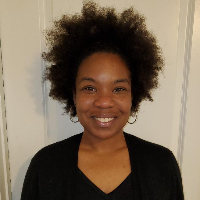
Steven Brashear
LMHC
Practical, values-focused trauma and anxiety help
- Stress, Anxiety
- Trauma and abuse
- Grief
Clinical social work directory
1,201 therapists list social anxiety and phobia among the things they work with. All offer sessions online, and every profile shows the registering body, the membership number and when it runs to.
Explore therapists who list social anxiety and phobia as a specialty to find professionals experienced in social fear, performance worry, and avoidance patterns. Browse the profiles below to compare approaches, credentials, languages, and focus areas that may fit your needs.
LMHC
Practical, values-focused trauma and anxiety help
LCSW
Compassionate, practical care for anxiety and trauma
LPC
Trauma-aware counselor focused on practical change
LPC
Compassionate counselor using practical, evidence-informed care
AASW
Practical, compassionate counselling for everyday challenges
LCSW
Practical trauma-informed care with compassion
LMFT, LCMFT
Helping people break painful relationship patterns
LCMHC
Compassionate trauma-informed counseling
NCPS
Support for anxiety, trauma, and life changes
LPC
Compassionate, practical therapy for life’s challenges
BACP
Calm support for life’s difficult chapters
BACP
Compassionate relational counselling for change
AASW
Practical, culturally aware mental health support
LPC
Centered, practical therapy for everyday struggles
LPCC
Practical trauma-informed counseling with EMDR
LPC
Practical, trauma-informed counseling for life challenges
LCMHC
Experienced counselor who uses practical therapies
LCSW, CSW
Connecting strengths with steady change
LMFT
Experienced therapist guiding practical change
BACP
Experienced counsellor for trauma and life change
BACP, NCPS
Therapist combining psychological insight with practical tools
LPC
Compassionate, experienced counseling for adults
LPC
Compassionate counselor for trauma and life change
LPC
Compassionate counselor focused on practical change
LPCC
Healing practical steps for anxiety and trauma
LMHC
Calm, practical support for life and trauma
LMFT
Practical, adaptable therapy for life transitions
NY Psychoanalyst
Experienced New York psychoanalyst blending skills and depth
BACP
Practical, nature-informed counselling and support
LPC
Compassionate, practical counseling for life changes
LPC
Compassionate, practical therapy for real-life struggles
LCSW
Practical, compassionate help for trauma and life change
LCSW
Compassionate, practical therapy for life challenges
NCPS
Calm, practical therapy for trauma and addiction
LCSW
Practical, person-focused therapy for stress and trauma
LPC, LPCC
Calm, practical help for life’s hardest moments
LCSW
Therapist focused on trauma and life change
LMHC
Practical skills for anxiety and trauma recovery
LCSW
Practical, respectful therapy for life challenges
Some links on this page are partner links. We will earn a commission if you sign up through one, at no cost to you. It does not change what you pay or the order of the listings.
Social anxiety and phobia refer to intense worry about social situations and the prospect of being judged, embarrassed, or scrutinized. You might notice a pattern in which ordinary social interactions feel overwhelming, whether it is speaking in meetings, attending parties, making small talk, or performing on stage. For some people the fear centers on specific situations, such as public speaking or using public restrooms, while for others it is more generalized, affecting many areas of daily life. The emotional experience is often accompanied by physical reactions like increased heart rate, sweating, trembling, nausea, or a sense of disconnection. Those reactions can reinforce avoidance, so you may find yourself turning down invitations, canceling appointments, or planning routes to minimize interaction.
These patterns do not reflect a personal failing. They are common responses to a mix of learned experiences, temperament, and environmental factors. Social anxiety can affect work performance, relationships, and your sense of well-being, and it often co-occurs with other concerns such as mood symptoms, panic, or substance use. Understanding the shape of your fears and how they show up in your life is the first step toward finding approaches that help you feel more capable in social settings.
You may consider therapy if social worries consistently limit your activities, goals, or relationships. If you notice that fear of scrutiny prevents you from applying for jobs, speaking up at school or work, dating, or engaging in community life, those are clear indicators that intervention could help. Therapy can also be useful if attempts to cope on your own have not produced lasting change, or if you rely on alcohol or avoidance strategies that bring short-term relief but increase isolation over time. Frequent physical symptoms tied to social situations, such as panic-like sensations or faintness, are another sign that you might benefit from professional guidance.
If social anxiety contributes to low self-esteem, rumination about interactions, or persistent worry that you will embarrass yourself, therapy offers structured ways to address those patterns. You do not need to wait until symptoms become severe; many people find it helpful to work with a therapist earlier, to develop practical skills for managing anxiety and to prevent avoidance from reshaping life choices.
Initial therapy sessions typically focus on understanding your history, the situations that trigger anxiety, and the ways you cope. You and your therapist will discuss goals that may include reducing avoidance, increasing social participation, improving assertiveness, or managing performance-related worry. Therapy often moves at a pace that feels manageable for you, with early emphasis on building a collaborative relationship and practical skills to reduce distress in the short term.
Many treatment plans blend in-session practice with tasks to try between sessions. You can expect to work on identifying anxious thoughts, learning strategies to modify unhelpful thinking, and gradually testing feared situations in real life. Exposure work - approaching situations you tend to avoid - is frequently used to help you learn that feared outcomes are less likely or less catastrophic than anticipated. Sessions may also explore underlying beliefs about self-worth and social value, and teach relaxation or grounding techniques to reduce physical arousal. Progress is often incremental, and the focus is on increasing your sense of agency so you can enter social situations with clearer intent rather than reacting out of fear.
Therapists describe a range of approaches for social anxiety and phobia, and you will find professionals who list cognitive-behavioral therapy among their approaches, mindfulness-informed strategies, acceptance-based methods, or other psychotherapeutic orientations. Cognitive-behavioral techniques typically help you identify patterns of thinking that amplify worry and teach concrete skills to test and revise those thoughts. Exposure-based work, often integrated into cognitive-behavioral frameworks, focuses on gradual, supported practice in feared social situations so that avoidance diminishes and confidence grows.
Some therapists include interpersonal work that examines patterns in relationships and social roles, helping you build skills for conversation, boundaries, and assertiveness. Others may offer approaches that focus on body-based regulation or trauma-related processing for people whose social fears developed after painful experiences. When modalities are mentioned in therapist profiles, it means those approaches are among the methods the clinician uses; it does not indicate a specific credential or guarantee of training in that method. When reviewing profiles you can look for language about how a therapist blends approaches to match individual goals and preferences.
Online therapy can be a practical option if you prefer meeting from home, need scheduling flexibility, or want access to clinicians outside your local area. Sessions generally take place via video or telephone, and many therapists outline whether they work over supported video platforms or by phone. You can expect most elements of in-person therapy to translate to an online format - assessment, skill building, cognitive work, and guided exposure assignments - with adaptations for practicing social situations in your daily environment. Some people prefer starting online because it feels less intimidating to join a session from a familiar setting while still doing exposure work between appointments.
When planning online work you should consider technology needs, privacy in your environment, and how you will practice real-world exposures between sessions. A therapist can help you create a plan for stepping into challenging situations safely and progressively, and for tracking progress. Online work also allows for creative approaches, such as practicing conversation skills with role-plays on video or recording exposures for later reflection. The effectiveness of online formats depends in part on the therapeutic fit and the practicality of applying skills outside the session, so think about how an online arrangement would help you practice the specific situations that trigger your anxiety.
Selecting a therapist is a personal decision guided by the issues you want to address, your preferences for approach, and practical considerations like language and cultural understanding. When browsing profiles, look for clinicians who list social anxiety or phobia in their focus areas and note the approaches they mention, such as cognitive-behavioral methods, exposure-focused work, or relational therapies. Pay attention to credentials, areas of specialization, and any mention of experience with populations similar to yours. Many profiles describe the therapist's approach to collaboration, how they set goals, and what a typical session feels like, which can help you decide who resonates with your expectations.
It can also be helpful to consider logistical factors such as session length, fees, and whether the clinician describes working with people in your life stage or cultural context. Some therapists mention languages they speak, or experience working with specific identity-related concerns, which may be important for creating a therapeutic relationship where you feel understood. Ultimately the right fit is a combination of approach, communication style, and personal comfort, and taking time to read profiles and introductory information will help you identify therapists whose focus and methods align with the changes you want to make.
Therapy offers practical pathways to reduce avoidance, build social skills, and revise the patterns that keep anxiety strong. If social fear is shaping choices you care about, exploring the therapist listings and reaching out to a clinician whose profile matches your needs could be an important step toward greater involvement and confidence in social life.