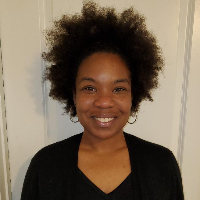
Steven Brashear
LMHC
Practical, values-focused trauma and anxiety help
- Stress, Anxiety
- Trauma and abuse
- Grief
Clinical social work directory
1,051 therapists list panic disorder and panic attacks among the things they work with. All offer sessions online, and every profile shows the registering body, the membership number and when it runs to.
On this page you will find therapists who focus on panic disorder and panic attacks. Each listing highlights a clinician's focus areas, therapeutic approaches, credentials, languages, and experience. Browse the profiles below to explore options that may fit your needs.
LMHC
Practical, values-focused trauma and anxiety help
LCSW
Compassionate, practical care for anxiety and trauma
LCMHC
Practical, trauma-informed counseling for adults
LPC
Compassionate counselor using practical, evidence-informed care
LCSW
Calm guidance for life’s hardest moments
LCSW
Practical trauma-informed care with compassion
LMFT, LCMFT
Helping people break painful relationship patterns
NCPS
Support for anxiety, trauma, and life changes
LPC
Compassionate, practical therapy for life’s challenges
BACP
Calm support for life’s difficult chapters
BACP
Compassionate relational counselling for change
AASW
Practical, culturally aware mental health support
LPCC
Practical trauma-informed counseling with EMDR
LCSW, CSW
Connecting strengths with steady change
LMFT
Experienced therapist guiding practical change
BACP
Experienced counsellor for trauma and life change
BACP, NCPS
Therapist combining psychological insight with practical tools
LPC
Compassionate, experienced counseling for adults
LPC
Compassionate counselor for trauma and life change
LPC
Compassionate counselor focused on practical change
LPCC
Healing practical steps for anxiety and trauma
LMHC
Calm, practical support for life and trauma
NY Psychoanalyst
Experienced New York psychoanalyst blending skills and depth
BACP
Practical, nature-informed counselling and support
LPC
Compassionate, practical counseling for life changes
LPC
Compassionate, practical therapy for real-life struggles
LCSW
Practical, compassionate help for trauma and life change
LCSW
Compassionate, practical therapy for life challenges
LCSW
Practical, person-focused therapy for stress and trauma
LPC, LPCC
Calm, practical help for life’s hardest moments
LPCC
Practical therapy for trauma and life stress
LCPC
Experienced counselor focused on trauma and life change
LMHC
Practical skills for anxiety and trauma recovery
LCSW
Practical, respectful therapy for life challenges
BACP
Compassionate counsellor for trauma and life change
BACP
Compassionate, practical counselling for trauma and anxiety
HCPC
Calm, practical care for emotional difficulty
ACA
Experienced ACA counsellor helping with trauma and stress
BACP
Experienced counsellor who uses EMDR and CBT
Some links on this page are partner links. We will earn a commission if you sign up through one, at no cost to you. It does not change what you pay or the order of the listings.
Panic attacks are sudden episodes of intense fear or discomfort that reach a peak within minutes and can produce strong physical sensations such as rapid heartbeat, shortness of breath, dizziness, trembling, sweating, or a sense of losing control. When these episodes recur and are accompanied by ongoing worry about having more attacks or significant behavior changes to avoid them, clinicians may describe the pattern as panic disorder. Panic attacks can occur in the context of other concerns, including stress, phobias, or general anxiety, and they affect people differently. Some people have isolated attacks tied to a specific trigger. Others experience attacks that seem to come out of the blue. The experience of an attack can be disorienting, and the anticipation of another episode often contributes to heightened vigilance and avoidance of situations you associate with past attacks.
The impact of panic can extend beyond the moments of acute distress. You may find yourself changing routines, avoiding certain places or activities, or feeling exhausted by ongoing worry. Work, relationships, and daily tasks can be affected when the fear of an attack shapes decisions. Understanding the patterns of your panic - what precedes an attack, how long it lasts, and what you do afterward - is a first step many people take when seeking help. Learning more about how panic functions can reduce the uncertainty that often amplifies the problem and give you clearer options for treatment and self-care.
If panic attacks are occurring with increasing frequency, intensity, or unpredictability, or if fear of having another attack is changing how you live, those are important signals that professional support could be useful. You might notice that you avoid elevators, crowded places, driving, or social situations because you worry an attack could begin there. Sleep disturbances, difficulty concentrating, and persistent worry about health or safety are common reasons people seek help. You may also feel ashamed or confused about what you are experiencing, which can make it harder to reach out to friends or loved ones for support.
Therapy may be recommended if self-management strategies you have tried are not reducing the frequency or impact of attacks, or if panic is co-occurring with other emotional challenges such as depressive symptoms, substance use, or trauma-related memories. Even when panic attacks are not daily events, the anticipation and behavioral changes they cause can make life feel restricted. If you are reading this page because panic is limiting your work, relationships, or sense of freedom, speaking with a mental health professional can help you understand options and develop a plan that addresses both immediate episodes and longer-term goals.
When you begin working with a therapist, the initial sessions typically involve a careful conversation about your history, the nature of your panic attacks, and how they affect your daily life. You can expect questions about the onset of attacks, triggers you have noticed, medical history that might be relevant, and current coping strategies. This assessment phase is also an opportunity for you to describe what you hope to change and to set achievable goals. A clear plan helps both you and the therapist track progress and make adjustments along the way.
Therapy usually combines discussion with practical skills practice. In-session exercises might include breathing and grounding techniques to help you manage acute symptoms, cognitive strategies to address worry and catastrophic thinking, and guided exposure - gradual and supported practice of facing feared situations. Homework between sessions is common because real-world practice helps skills stick. Over weeks and months you can expect to build a toolkit that includes ways to respond during an attack and strategies to reduce the overall frequency of attacks. Sessions are collaborative - you and the therapist work together to test approaches and refine what works for your life.
There are several well-established approaches that therapists may use when addressing panic. Many clinicians list cognitive-behavioral therapy, often abbreviated CBT, among their approaches. CBT focuses on identifying and shifting patterns of thinking and behavior that maintain panic, and it typically includes exposure-based methods to reduce avoidance. Some therapists list acceptance and commitment therapy, which emphasizes mindful awareness and values-guided action, as a helpful way to change your relationship to anxious thoughts and sensations. Other clinicians may offer interoceptive exposure, which involves safely reproducing physical sensations of panic in a controlled setting so you can learn new responses to them.
You will also find clinicians who list EMDR among their approaches and those who include psychodynamic, somatic, or mindfulness-based work. When therapists list these approaches, it reflects the modalities they integrate into practice rather than a specific endorsement of one method for every person. Different approaches may be combined to match your preferences, history, and treatment goals. In therapy you can discuss the rationale behind each method and ask how the therapist adapts techniques to reduce distress while helping you regain confidence in daily activities.
Online therapy can make it easier to connect with clinicians who list panic disorder and panic attacks as a focus, especially if you prefer working from home or need a clinician who speaks your language. Sessions are typically held via video or phone calls, and many therapists use supported practice management tools for scheduling and messaging. You should expect the therapist to discuss technology needs, session length, fees, and cancellation practices at the outset. Some clinicians blend live sessions with written exercises or recorded audio practices to support learning between meetings.
Online therapy can support exposure work and real-time coping practice even when you are not sharing the same room. With planning, a therapist can guide you through interoceptive exercises, breathing practices, or behavioral exposures while you are at home or in a location that matters to you. This can be especially helpful when the situations you fear are tied to your daily environment. If you prefer in-person work for certain techniques, many clinicians provide options for both formats or can adapt approaches to suit remote sessions. Discussing how to handle emergencies or intense distress is an important part of initial planning so you know what to expect during challenging moments.
When looking through profiles, focus on fit more than labels. Consider the clinician's focus areas, the therapeutic approaches they list, their professional credentials, and the languages they speak. Reading a profile carefully can help you identify therapists who emphasize skills-based work, exposure strategies, trauma-informed care, or mindful approaches, depending on what feels most aligned with your needs. It is reasonable to prioritize a therapist who describes experience working with panic-related concerns or anxiety more broadly, and to look for information about the populations they work with and the settings they describe.
Think about practical preferences too. You may favor someone who describes a collaborative, supportive stance or who outlines what typical sessions look like. Pay attention to whether the therapist mentions working with co-occurring problems that matter to you, such as sleep disruption or trauma-related stress. If you are seeking online care, note the technologies and session formats mentioned in the profile. Finally, trust your instincts about the fit - finding a clinician whose communication style and approach feel respectful and understandable to you can make it easier to stick with treatment and practice new skills.
Panic attacks and panic disorder can feel overwhelming, but many people find that a combination of education, skills practice, and guided exposure leads to meaningful change over time. Exploring the profiles on this page can help you identify clinicians who list relevant approaches and who describe the kinds of care that resonate with your preferences. When you are ready, reaching out to a therapist whose profile aligns with your needs is a practical step toward managing attacks and reclaiming activities that matter to you.