Clinical social work directory
Therapists in Tennessee
50 therapists in this directory hold a licence issued in Tennessee and name EMDR among their approaches. Sessions are online; a US therapist can usually only see people in a state where they hold a licence, so check the credentials panel on each profile.
Welcome to the Tennessee section of EMDR Therapy Directory. All therapists listed on this page are licensed in Tennessee - explore profiles to compare approaches, focus areas, credentials, and languages.

Jessica Bolin Edwards
LPC
Calm, practical therapy for life changes
- Stress, Anxiety
- Trauma and abuse
- Parenting

Felisha Tillman
LPC-MHSP
Compassionate, practical trauma-informed care
- Stress, Anxiety
- Trauma and abuse
- Anger

Linda Hazel
LMFT
Compassionate therapist for relationship and trauma healing
- Addictions
- Relationship
- Family


Francine Owens
LCSW
Compassionate, practical therapy for mood and trauma
- Stress, Anxiety
- Trauma and abuse
- Bipolar

Shaye Skye
LMFT
Compassionate therapy focused on healing and growth
- Stress, Anxiety
- Relationship
- Family

Gina Marqua
LCSW
Compassionate trauma and addiction-focused care
- Addictions
- Trauma and abuse
- Stress, Anxiety

Kara Fedore
LCSW
Practical, empathic therapy for life transitions
- Stress, Anxiety
- Addictions
- Trauma and abuse

Sara Tinker
LCSW
Experienced LCSW focused on trauma and relationships
- Stress, Anxiety
- Relationship
- Trauma and abuse
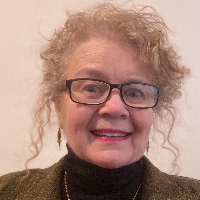
Andria Howard
LPC-MHSP
Calm, practical therapy with EMDR and mindfulness
- Stress, Anxiety
- LGBT
- Trauma and abuse

Heather Baker
LPC
Compassionate therapist focused on trauma and coping
- Stress, Anxiety
- Relationship
- Trauma and abuse
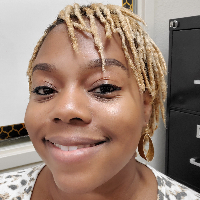

Joseph Hart
LPC-MHSP
Compassionate counselor focused on practical progress
- Stress, Anxiety
- Addictions
- Trauma and abuse

Necole Richardson
LPCC, LCMHC
Compassionate trauma-informed counseling focused on healing
- Stress, Anxiety
- Addictions
- Trauma and abuse

Rosemary Maltese
LPC
Calm, practical therapy for life’s hard moments
- Stress, Anxiety
- Self esteem
- Career

Anna VanEaton
LCSW
Practical, steady support for stress and trauma
- Stress, Anxiety
- Relationship
- Trauma and abuse


Krista Asp
LPC
Compassionate, practical therapy for relationships and trauma
- Stress, Anxiety
- Relationship
- Family

Nancy Truett
LPC
Calm, experienced counselor for trauma and growth
- Stress, Anxiety
- Addictions
- Relationship

Crystal Kuykendall
LPC-MHSP
Practical, collaborative care for everyday struggles
- Stress, Anxiety
- Grief
- Depression

Ashley Askins
LPC-MHSP
Support for trauma, stress, and parenting
- Stress, Anxiety
- Trauma and abuse
- Parenting

Jessica Griggs
LCSW
Practical, respectful therapy for stress and trauma
- Stress, Anxiety
- Relationship
- Trauma and abuse

Diane Witmer
LCSW
Practical, empathetic therapy for trauma and anxiety
- Stress, Anxiety
- Trauma and abuse
- Grief

Emily Hand
LPC
Compassionate therapist focused on practical healing
- Stress, Anxiety
- Addictions
- Trauma and abuse
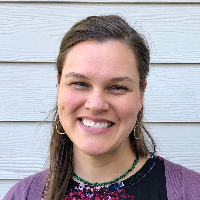
Karina Fernandez
LCSW
Therapist focused on trauma-informed care
- Stress, Anxiety
- Trauma and abuse
- Grief

Kyleigh Moldovan
LPC-MHSP
Compassionate therapist using practical, evidence-informed methods
- Stress, Anxiety
- Trauma and abuse
- Anger

Melissa Harris
LPC
Compassionate, practical therapy for life challenges
- Stress, Anxiety
- Family
- Trauma and abuse

Carri McClellan
LPC, LPC-MHSP
Practical trauma and addiction-focused therapy
- Stress, Anxiety
- Addictions
- Trauma and abuse

Tiffani Wiles
LPC
Trauma-informed counselor focused on healing and growth
- Stress, Anxiety
- Trauma and abuse
- Parenting

Bethany Sparkman
LPC
Empathetic counselor focusing on practical healing
- Stress, Anxiety
- Addictions
- Trauma and abuse


Dana Townsend
LPC-MHSP
Therapist focused on trauma-informed support
- Stress, Anxiety
- Family
- Trauma and abuse

Auslyn Thomas
LPC
Empowering practical change with evidence-based care
- Stress, Anxiety
- Family
- Trauma and abuse

Jamie Brandmair
LCSW
Practical, trauma-informed care with compassionate focus
- Stress, Anxiety
- LGBT
- Family

Leah Shanks
LPC-MHSP
Practical, person-focused therapy with EMDR options
- Stress, Anxiety
- Trauma and abuse
- Eating


Jennifer Ladd
LPC
Compassionate counselor for relationship and trauma concerns
- Relationship
- Trauma and abuse
- Grief

Dr. Bradley (Brad) Bull
LMFT
Experienced marriage and family therapist
- Relationship
- Family
- Intimacy-related issues

Dina Rogers
LCSW
Trauma-informed therapist focusing on practical coping skills
- Trauma and abuse
- Grief
- Parenting

Stephanie Smith
LPC
Experienced Tennessee LPC offering EMDR-informed care
- Stress, Anxiety
- Relationship
- Trauma and abuse

Franklin Cardona
LPC
Experienced counselor with trauma and addiction focus
- Stress, Anxiety
- Addictions
- Trauma and abuse

Dr. Porche Wynn
LPC
EMDR-informed counselor focused on coping skills
- Stress, Anxiety
- Addictions
- Family

Jasmine Fluellen
LPC
Supportive LPC guiding trauma informed growth
- Stress, Anxiety
- Trauma and abuse
- Self esteem

Audra Tate-Kennedy
LPC-MHSP
Calm, practical counseling focused on strengths
- Stress, Anxiety
- Relationship
- Family

Elizabeth Thomas
LMFT
Compassionate therapist for relationship and trauma concerns
- Relationship
- Family
- Trauma and abuse

Denise Adeline Muse
LCSW
Compassionate, practical therapy for real life
- Stress, Anxiety
- Trauma and abuse
- Grief

Kimberley Slown
LCSW
Calm, practical therapy for trauma and anxiety
- Stress, Anxiety
- Trauma and abuse
- Self esteem

Some links on this page are partner links. We will earn a commission if you sign up through one, at no cost to you. It does not change what you pay or the order of the listings.
Overview of online therapy availability in Tennessee
What online therapy looks like in this state
Online therapy in Tennessee has become a regular option for people seeking mental health support across urban, suburban, and rural communities. You will find licensed clinicians offering remote sessions through video, voice, and sometimes text-based formats. Many therapists describe their approaches, specialties, and the populations they work with in profile summaries so you can get a clear sense of clinical focus before you reach out. Because clinicians in Tennessee must hold an appropriate state license to provide professional services to residents, the profiles on this directory highlight licensure type and degree to help you understand a therapist's professional background.
State rules guide where a clinician can practice remotely, and therapists listing online services will typically indicate the geographic scope they serve. In many parts of Tennessee, online therapy has expanded access to care for people who travel for work, have caregiving responsibilities, or live far from office-based practices. While online formats share many elements with in-person therapy - such as session structure, scheduling, and goals - the way you connect and the practical arrangements will vary from clinician to clinician. Reading profiles closely gives you useful orientation before initiating contact.
Benefits of online therapy for Tennessee residents
Why people choose remote sessions
You may find online therapy appealing because it reduces the time and logistics of traveling to an office, and it can make scheduling easier when your days are full. If you live in a region with limited local mental health resources, remote sessions can open access to clinicians whose specialties match your needs without requiring a long commute. For parents, shift workers, and people with mobility limitations, online sessions often fit more neatly into daily life.
Beyond convenience, many people value the continuity online therapy can provide when life circumstances change - for example, after a move or during a temporary relocation. Remote formats can also make it simpler to include family members or other supports in a session when appropriate. You should be aware that online work depends on a reliable internet connection and a suitable environment for focused conversation, so planning a consistent spot to meet can improve the experience. Each therapist will describe the platforms they use and any technical expectations, so you can prepare and choose a setup that works for you.
What issues online therapists in Tennessee commonly help with
Range of concerns and therapeutic approaches
Online therapists in Tennessee address a wide range of emotional and behavioral concerns. Many list common focus areas such as anxiety, depression, trauma-related reactions, relationship challenges, grief, life transitions, and stress management. Some clinicians highlight working with specific populations, including adolescents, adults, couples, or parents. When trauma-related approaches are noted, profiles often state that a therapist lists EMDR among their approaches; this means the clinician includes that approach in their work, but it is not a certification claim. Reading descriptions of focus areas helps you see whether a clinician has experience working with issues similar to yours.
Therapists who work online may combine different therapeutic orientations depending on client needs. You will encounter references to cognitive and behavioral methods, relational frameworks, somatic-informed practices, mindfulness, and other approaches. If a particular modality matters to you, look for therapists who describe using it as part of their practice. It is also helpful to review the populations a clinician notes in their profile, such as age ranges, cultural or language competencies, and experience with life stage concerns, so you can find a provider whose background resonates with your needs.
How to verify a therapist's license in Tennessee
Practical steps to confirm licensure and standing
Verifying a therapist's license is an important part of selecting care. You can begin by noting the license type listed in the therapist's profile - common credentials include licensed professional counselor, clinical social worker, marriage and family therapist, and psychologist, each with slightly different education and licensure pathways. After noting the license type and the clinician's name, visit the official state licensing board or the Tennessee Department of Health license lookup tools to confirm the license number, status, and expiration date. Most state sites allow searches by name or license number and will show whether the license is active and if there are any public disciplinary actions.
If the therapist works across professions or lists multiple credentials, you may need to check more than one licensing board. When a profile includes a license number, it can speed your search. If you cannot find a record online or have questions about the information you see, you can call the appropriate state board for clarification. Asking a potential therapist directly about their license, scope of practice, and any board sanctions is also reasonable - many clinicians will explain how they are regulated and point you to the official state record if you request it.
How to get started with an online therapist in Tennessee
Preparing for your first contact and session
Getting started usually begins with exploring profiles to identify a few clinicians whose approaches, focus areas, and languages match your needs. When you reach out, a therapist will typically provide basic information about session structure, fees, and the communication methods they use for scheduling. Before your first session, it is helpful to think about what you want to address in therapy and what goals would feel meaningful to you. Preparing a short summary of your reasons for seeking help and any previous experience with therapy can make the first conversation more efficient.
On the practical side, confirm the technical requirements for sessions - whether the therapist uses a specific video platform, whether phone sessions are an option, and how they handle appointment reminders and documentation. Plan where you will sit for the session so you have a quiet setting with minimal interruptions and good internet connectivity. You should also ask how records, billing statements, and communications are handled to understand the logistics of care. Starting online can be an adjustment, but many people find the format becomes comfortable within a few sessions once administrative details are settled.
Tips for choosing the right therapist for you
Questions to guide your selection and early conversations
Choosing a therapist is a personal decision and it helps to prioritize the attributes that matter most to you. Consider the therapist's stated focus areas, the approaches they list, and any language or cultural competencies that matter for your care. Educational credentials and licensure type will tell you about professional training pathways, but the way a therapist describes their work style and therapeutic goals can be even more informative for matching with your preferences. Look for clear descriptions of the kinds of change the clinician aims to support and the populations they commonly work with.
When you contact a therapist, prepare a few questions that matter to you. You might ask how they typically structure sessions, what a typical early stage of therapy looks like with them, whether they have experience addressing concerns similar to yours, and how they measure progress. It is also appropriate to ask about language options and cultural awareness if those factors are important to you. Trust your sense of how comfortable you felt during initial communications. If you feel heard and understood in early exchanges, that is a helpful signal. If the fit does not feel right, it is acceptable to pause and explore other profiles until you find a clinician with whom you feel more aligned.
Finally, give yourself time to evaluate progress once sessions begin. Therapy is a collaborative process, and many people find that clear goals and regular check-ins about how the work is going help establish a productive relationship. If needed, you can ask your therapist about adjustments in approach, pace, or focus to ensure the work aligns with your goals. Taking these steps will help you use online therapy in Tennessee in a way that feels practical, respectful of your needs, and oriented toward meaningful change.