
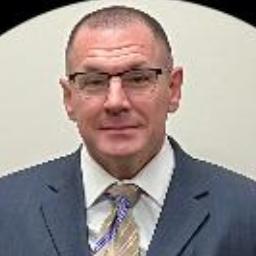
Michael Cotter, LPC
Missouri · 3 years in practice
Michael Cotter is a Licensed Professional Counselor (LPC) who helps people facing stress, anxiety, addiction, trauma, depression, relationship and parenting struggles.
License and registration
- LPC, Missouri
- 2017023723 · expires June 2027
- NPI
- 1013427657 · national provider identifier
- Years in practice
- 3
- Languages
- English
Details are as listed on the therapist's public professional profile. You can check the license with the issuing state board, and the NPI with the national registry.
About Michael
Michael Cotter is a Licensed Professional Counselor (LPC) who helps people facing stress, anxiety, addiction, trauma, depression, relationship and parenting struggles. He also addresses issues like grief, self-esteem, anger, ADHD, and career concerns. Michael speaks English and sees clients in Missouri through online formats.
He uses a direct, person-centered style. Sessions focus on where the client is now and practical steps toward change. Michael mixes cognitive behavioral ideas with solution-focused work to build skills for day-to-day challenges.
Background and approach
Michael has three years of post-licensure experience in counseling. He has worked in addiction settings and with related problems such as mood concerns, family conflict, and coping after loss. He draws on that background when helping people manage crises or long-standing patterns.
EMDR is one of the approaches he lists and may be part of trauma work when it fits a client's needs. He also uses motivational interviewing to support readiness for change and existential ideas to look at meaning and life choices. People can expect straightforward conversations that emphasize practical coping, clearer thinking, and small experiments between sessions.
Scheduling is done online and sessions are available in several remote formats. Start by completing a short matching questionnaire to find a time that works.
Focus areas and approaches
Everything Michael lists on their public professional profile, in their own terms.
- Stress, Anxiety
- Addictions
- Trauma and abuse
- Parenting issues
- Depression
- LGBT
- Relationship issues
- Family conflicts
- Grief
- Intimacy-related issues
- Anger management
- Self esteem
- Career difficulties
- Bipolar disorder
- Coping with life changes
- Coaching
- Compassion fatigue
- ADHD
- Abandonment
- Blended family issues
- Codependency
- Communication problems
- Control issues
- Coping with natural or human-caused disaster
- Dissociation
- Drug and alcohol addiction
- Emptiness
- Family of origin issues
- Family problems
- Fatherhood issues
- Forgiveness
- Guilt and shame
- Hospice and end-of-life counseling
- Infidelity
- Isolation / loneliness
- Jealousy
- Life purpose
- Men's issues
- Midlife crisis
- Money and financial issues
- Mood disorders
- Panic disorder and panic attacks
- Paranoia
- Phobias
- Post-traumatic stress
- Process addiction (porn, exercise, gambling)
- Sex addiction
- Sexual assault and abuse
- Sexuality
- Social anxiety and phobia
- Workplace issues
- Young adult issues
Approaches Michael names
- Eye Movement Desensitization and Reprocessing (EMDR)
- Client-Centered Therapy
- Cognitive Behavioral Therapy (CBT)
- Existential Therapy
- Motivational Interviewing
- Solution-Focused Therapy
- Trauma-Focused Therapy
Naming an approach is not evidence of training in it. This directory copies what each therapist lists and does not check training records.
Online support
How therapeutic approaches translate to online care
Client-Centered Therapy focuses on listening and following the client's lead. In sessions this means the therapist reflects what matters to the client, helps them clarify goals, and supports their choices. It is useful for building trust and working through personal concerns like relationship strain or grief.Cognitive Behavioral Therapy (CBT) looks at how thoughts, feelings, and actions connect. Online CBT often includes short exercises, thought records, and practical behavior changes to reduce anxiety, manage mood, or cope with addiction triggers.
EMDR is listed among the approaches Michael uses for trauma-related work. When appropriate, elements of EMDR can be incorporated into online trauma sessions to help process distressing memories alongside other supportive techniques.
Michael approaches choice of method as a collaborative process. He will talk with each person about goals and preferences, try an approach, and adjust based on what helps most. The plan is shaped together rather than imposed.
Online therapy here is offered through video calls, phone sessions, live chat, and text messaging. Video is good for deeper conversation and exercises that use visual cues. Phone sessions are a useful option when bandwidth is limited or a client prefers not to be on camera. Live chat and text messaging work well for brief check-ins, homework ideas, or ongoing support between longer sessions. These options aim to make therapy easier to fit into work, family, and daily life.
We will earn a commission if you sign up through our link, at no cost to you. It does not change what you pay or the order of the listings.
Questions people ask
What concerns does this therapist address?
He works with stress, anxiety, addictions, trauma and abuse, depression, grief, relationship and parenting concerns, and related issues like ADHD and self-esteem.
What is his general therapy style?
Michael uses a person-centered, practical approach that emphasizes clear steps and problem solving. He combines goal-focused techniques with support for exploring meaning when helpful.
What background and experience does he have?
He holds a Licensed Professional Counselor credential and has three years of post-licensure counseling experience, with earlier paraprofessional work in related settings.
Where is he based and licensed?
He is licensed as an LPC in Missouri and practices with that regional credential.
What languages are offered and are international clients seen?
Sessions are offered in English and he is not accepting international clients.
Which session formats are available?
Therapy is offered through video calls, phone sessions, live chat, and text-based messaging to fit different schedules and needs.
How are fees and payment handled?
Cost varies with location and therapist availability; sessions use a subscription model that can be canceled at any time.
How do I begin working with him?
Click the Start Therapy button, complete a short matching questionnaire, and schedule a session according to the therapist's availability.
More therapists in Missouri
See allRichard Roe
LPC
Compassionate counselor using practical, evidence-informed care
- Stress, Anxiety
- Trauma and abuse
- Grief

Betina Bolin
LCSW
Practical, respectful therapy for life challenges
- Stress, Anxiety
- Trauma and abuse
- Self esteem

Anita Cohn
LCSW
Experienced LCSW helping people heal and cope
- Stress, Anxiety
- Relationship
- Trauma and abuse

Is this your profile?
Ask us to correct details or take the page down.
Contact us