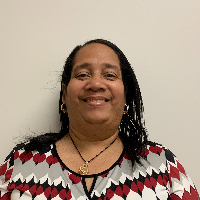
Richard Roe
LPC
Compassionate counselor using practical, evidence-informed care
- Stress, Anxiety
- Trauma and abuse
- Grief
Clinical social work directory
60 therapists in this directory hold a licence issued in Missouri and name EMDR among their approaches. Sessions are online; a US therapist can usually only see people in a state where they hold a licence, so check the credentials panel on each profile.
Welcome to our directory of licensed online therapists serving Missouri. All therapists listed hold a Missouri professional license; explore the listings to learn about approaches, experience and languages offered.
LPC
Compassionate counselor using practical, evidence-informed care
LCSW
Practical, respectful therapy for life challenges
LCSW
Experienced LCSW helping people heal and cope
LPC
Practical, experienced counselor for trauma and addiction
LPC
Practical support for trauma, stress, and relationships
LPC
Compassionate counselor for trauma and life change
LPC
Practical therapy focused on trauma and daily life struggles
LPC
Practical, strength-focused counseling for trauma and anxiety
LCSW
Compassionate, practical therapy for stress and trauma
LPC
Goal-focused counselor blending EMDR and CBT
LPC
Practical support for stress and trauma recovery
LPC
Practical, person-focused care for stress and trauma
LPC
Trauma-informed, practical counseling for life challenges
LCSW
Practical, skills-based therapy for life challenges
LCSW
Compassionate therapist focused on practical progress
LPC
Compassionate, practical therapy for trauma and stress
LCSW
Practical, collaborative therapy for trauma and stress
LCSW
Experienced LCSW focused on trauma and coping
LPC
Compassionate, practical counseling for complex challenges
LPC, LCMHC
Compassionate counselor focused on healing
LPC, LMHC
Compassionate, practical therapy for stress and trauma
LPC
Straightforward counseling with trauma-informed insight
LPC
Compassionate counselor focused on practical change
LPC
Warm, practical counseling for life changes
LSCSW, LCSW
Compassionate, practical therapy for trauma and anxiety
LPC, LMFT
Compassionate therapist for practical healing
LPC, LCPC
Practical, trauma-informed therapy that teaches everyday skills
LPC
Trauma-informed, skills-based counseling
LPC
Practical trauma-informed care with EMDR
LPC
Practical support for stress and trauma recovery
LPC
Trauma-informed counselor focusing on practical skills
LPC
Calm practical support for healing and growth
LCSW
Compassionate, practical therapy for everyday struggles
LCSW, LSCSW
Calm, practical trauma-informed therapy
LCSW, LSCSW
Warm, practical therapy for life’s transitions
LMFT, LPC
Compassionate therapist for life transitions
LPC
Calm, practical therapy for everyday struggles
LPC
Calm, practical therapy for life’s tough moments
LPC
Practical trauma-informed counseling with empathy
Some links on this page are partner links. We will earn a commission if you sign up through one, at no cost to you. It does not change what you pay or the order of the listings.
If you are exploring online therapy in Missouri, you will find a range of clinicians offering remote services across the state. Many therapists licensed in Missouri provide sessions by video or phone so you can access care from your home, workplace, or another comfortable environment. The regulatory framework that governs practice requires clinicians to hold an active Missouri license when treating people who are located in the state, so our listings focus on practitioners who list Missouri licensure on their profiles. You will see a variety of professional credentials reflected in listings, including counselors, social workers, psychologists, and marriage and family therapists. Each type of credential represents a different pathway of education and supervision, and those distinctions can be useful when you are thinking about the clinical style or scope of practice you prefer.
Online therapy in Missouri is shaped by state rules, technology options, and local considerations such as regional internet access and broadband speed. For some Missourians, especially those outside major metropolitan areas, virtual sessions can remove long travel times and help you maintain continuity with a clinician who understands your context. While the technology used may vary, the core of teletherapy remains the therapeutic relationship and the clinician's approach to addressing the concerns you bring to sessions.
Online therapy offers several practical advantages that can fit into busy lifestyles and varied geographies. You can save time by eliminating travel, which is particularly helpful if you live in a rural county or face long commutes on highways that can be affected by weather. Virtual sessions can also make it easier to coordinate care around work, school, or family responsibilities so you are more likely to follow through with regular appointments. For those managing mobility limitations or caregiving duties, remote sessions remove logistical barriers and can make therapy more accessible.
Beyond convenience, online therapy expands the pool of therapists you can choose from. If you are looking for someone who lists EMDR among their approaches, or who emphasizes modalities such as cognitive-behavioral work, internal family systems, or trauma-focused strategies, virtual care increases your chances of finding a clinician whose methods match your goals. You may also find clinicians who offer services in languages other than English or who specialize in working with particular populations, such as teens, older adults, LGBTQ+ clients, or veterans. Ultimately, the benefit is that you can find a therapy style and clinician characteristics that align with what you need, while staying within the regulatory protections of Missouri licensure.
Online therapists in Missouri commonly support people with a wide range of concerns. Many clinicians focus on anxiety and mood-related challenges, helping you develop skills to manage worry, panic, low mood, and persistent stress. Others concentrate on trauma and loss, offering approaches meant to address the aftereffects of distressing experiences and to help you rebuild a sense of stability. Relationship and family concerns are frequently addressed in remote work as well, with clinicians guiding conversations about communication, conflict, parenting, and partnership transitions.
Work-related stress and life transitions are another area where therapists provide practical support; if you are facing career changes, caregiving responsibilities, or relocation within Missouri, a therapist can help you navigate decision-making and emotional adjustments. Substance use and behavioral concerns are also part of many clinicians' practices, often in conjunction with referrals to community resources. Because therapists list the modalities they use on their profiles, you can identify practitioners who list EMDR among their approaches, or who describe experience with cognitive-behavioral techniques, family systems perspectives, or other therapeutic orientations. This means you can look for clinicians whose stated methods align with the type of work you are hoping to do.
When you find a clinician who interests you, it is sensible to verify their licensure and professional standing. Missouri maintains public licensing records for behavioral health professionals that you can consult to confirm that a license is active and to view basic credential information. Look for the clinician's full name and the professional designation they use on their profile, then search the state's licensing database to confirm the license type and status. The public record may also note whether there have been disciplinary actions, which is relevant information when you are assessing a practitioner's professional history.
Different credentials reflect different training pathways and scopes of practice. For example, licensed professional counselors, clinical social workers, psychologists, and marriage and family therapists each have distinct educational and supervisory requirements. Reviewing the license entry can clarify whether the clinician holds the credential they list. If you have questions about what a particular credential authorizes a therapist to do in Missouri, you can contact the licensing board directly for a general explanation of scope and regulatory standards. Keeping a basic verification step in your process helps you feel informed about the professional standing of any clinician whose profile you are considering.
Getting started involves a few clear steps that help you find a match for your needs. Begin by identifying the issues you want to address and the qualities that matter most to you in a clinician - for example, the therapeutic approaches they list, their experience with specific concerns, language abilities, or cultural familiarity. Review profiles to see which therapists mention relevant approaches, such as EMDR among their approaches, cognitive-behavioral work, or family systems perspectives. Also note practical details that affect your experience, like whether a clinician describes offering video sessions, phone sessions, or a mix of formats.
When you reach out to a therapist, prepare a few questions about their general approach to the concerns you have and what a typical session looks like. You can ask about how they adapt their work for online formats and what kinds of goals people commonly pursue with them. It is appropriate to inquire about fees, insurance participation, and what to expect for paperwork or intake processes. Pay attention to how you feel in the initial interaction - a clinician's communication style and responsiveness can give you an early sense of fit. Trusting your instincts about whether you feel heard and respected is an important part of choosing a provider.
Finally, consider practical logistics that affect your ongoing experience. Think about the technology you will use, such as video platforms and device setup, and whether your internet connection supports the session format you prefer. If language access or cultural competence is important to you, look for clinicians who mention those strengths on their profile. Taking these steps will help you move from searching to working with a professional whose approach and background align with your expectations, so you can begin addressing the concerns that brought you to therapy.