
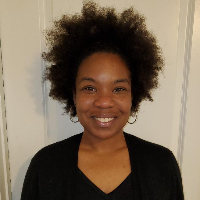
Stefanie Summers, LCSW
North Carolina · 20 years in practice
Stefanie Summers is a Licensed Clinical Social Worker with twenty years of clinical experience.
License and registration
- LCSW, North Carolina
- C010155 · expires June 2026
- NPI
- 1174796940 · national provider identifier
- Years in practice
- 20
- Languages
- English
Details are as listed on the therapist's public professional profile. You can check the license with the issuing state board, and the NPI with the national registry.
About Stefanie
Stefanie Summers is a Licensed Clinical Social Worker with twenty years of clinical experience. She helps people manage stress, anxiety, trauma, grief, parenting challenges, relationship struggles, and career concerns. Stefanie uses practical methods to help people feel steadier and cope better with life changes.
Her background includes work with people affected by adoption and foster care, military-related stress, homelessness, and severe mental health challenges. That variety shaped a flexible approach that blends talk therapy with evidence-based techniques.
Background and approach
She draws on approaches such as Attachment-Based Therapy, Cognitive Behavioral Therapy, EMDR, mindfulness, and motivational interviewing to address different needs. In sessions she focuses on clear goals and step-by-step strategies. Stefanie helps people notice patterns, practice new skills, and process painful memories at a pace that fits them.
She also supports people dealing with compassion fatigue, caregiver stress, codependency, and issues around commitment and communication. Stefanie earned a Bachelor of Social Work from the University of Alaska Fairbanks and a Master of Social Work from the University of Denver. She holds the LCSW credential and has combined clinical practice with additional holistic methods over the years.
Her work aims to help people get practical relief and make lasting changes. Sessions are offered from North Carolina and are conducted in English. Stefanie provides a mix of therapy and coaching-style support for adults working through emotional, relational, and life transition challenges.
Focus areas and approaches
Everything Stefanie lists on their public professional profile, in their own terms.
- Stress, Anxiety
- Relationship issues
- Family conflicts
- Trauma and abuse
- Depression
- Grief
- Intimacy-related issues
- Parenting issues
- Anger management
- Self esteem
- Career difficulties
- Coping with life changes
- Coaching
- Compassion fatigue
- ADHD
- Abandonment
- Adoption and foster care
- Attachment issues
- Blended family issues
- Caregiver issues and stress
- Codependency
- Commitment issues
- Communication problems
- Control issues
- Coping with natural or human-caused disaster
- Divorce and separation
- Emptiness
- Family of origin issues
- Family problems
- Fatherhood issues
- First responder issues
- Forgiveness
- Guilt and shame
- Impulsivity
- Infidelity
- Isolation / loneliness
- Jealousy
- Life purpose
- Men's issues
- Midlife crisis
- Veteran and Armed Forces Issues
- Mood disorders
- Post-traumatic stress
- Self-love
- Women's issues
- Workplace issues
- Young adult issues
Approaches Stefanie names
- Eye Movement Desensitization and Reprocessing (EMDR)
- Attachment-Based Therapy
- Cognitive Behavioral Therapy (CBT)
- Mindfulness Therapy
- Motivational Interviewing
- Solution-Focused Therapy
- Trauma-Focused Therapy
Naming an approach is not evidence of training in it. This directory copies what each therapist lists and does not check training records.
Online support
How therapeutic approaches translate to online care
Attachment-Based Therapy focuses on how early relationships shape current connections. Online sessions using this approach help people notice patterns in closeness, trust, and communication, and practice new ways of relating that feel safer and more stable.Cognitive Behavioral Therapy, or CBT, looks at thoughts and behaviors that keep problems going. In remote sessions CBT involves setting clear goals, trying small experiments between sessions, and learning skills to reduce anxiety, manage anger, or improve mood.
Eye Movement Desensitization and Reprocessing, EMDR, helps people process distressing memories and reduce their emotional intensity. When used online, the therapist guides the process step by step and adapts pacing to each person’s comfort and needs.
Finding the right mix of methods is part of the work together. The therapist will collaborate with each person to choose which approaches fit their goals, concerns, and preferences, and will adjust the plan as progress unfolds.
Online therapy offers flexibility through video calls, phone sessions, live chat, or text-based messaging. Video calls are useful for full conversations and skill teaching, phone sessions suit those with limited bandwidth or who prefer audio, and chat or messaging can work for brief check-ins, coaching-style support, or steady day-to-day practice. These options make it easier to fit therapy into work, family life, or caregiving schedules.
We will earn a commission if you sign up through our link, at no cost to you. It does not change what you pay or the order of the listings.
Questions people ask
What concerns does Stefanie help with?
She supports people dealing with stress, anxiety, trauma and abuse, depression, grief, parenting and relationship difficulties, as well as career and life change challenges.
What is her general therapy style?
The approach is practical and goal-focused, with attention to patterns, skills practice, and processing painful memories at a comfortable pace.
What is her clinical background?
Stefanie has 20 years of civilian and military clinical practice experience, working across settings that included foster care, homelessness, and combat-related issues.
What credentials and location apply?
She is a Licensed Clinical Social Worker (LCSW) practicing from North Carolina.
Which languages are supported and can international clients join?
Sessions are offered in English and international clients are not currently accepted.
What session formats are offered?
Therapy is delivered via video calls, phone sessions, live chat, or text-based messaging depending on what fits the person best.
How are fees handled?
Cost varies with location and therapist availability; sessions use a subscription that can be canceled at any time.
How does someone get started?
Begin by selecting the Start Therapy button, completing a short matching questionnaire, and then scheduling according to therapist availability.
More therapists in North Carolina
See allMary Kallenbach
LCMHC
Experienced counselor who uses practical therapies
- Stress, Anxiety
- Relationship
- Trauma and abuse

Janet Stone-Nielsen
LCSW
Trauma-informed LCSW focused on practical support
- Stress, Anxiety
- Relationship
- Family


Is this your profile?
Ask us to correct details or take the page down.
Contact us