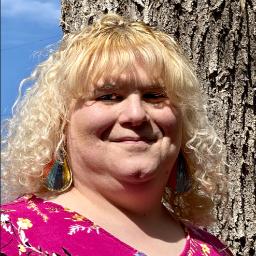
Liz Smith, LMHC, LCPC
Montana · 10 years in practice
Liz Smith is a Licensed Mental Health Counselor (LMHC) and a Licensed Clinical Professional Counselor (LCPC) working in Florida.
License and registration
- LCPC, Montana
- BBH-LCPC-LIC-37454 · expires December 2026
- LCMHC, Utah
- 12981248-6004 · expires September 2026
- LMHC, Florida
- MH21381 · expires March 2027
- NPI
- 1659743961 · national provider identifier
- Years in practice
- 10
- Languages
- English, Spanish
Details are as listed on the therapist's public professional profile. You can check the license with the issuing state board, and the NPI with the national registry.
About Liz
Liz Smith is a Licensed Mental Health Counselor (LMHC) and a Licensed Clinical Professional Counselor (LCPC) working in Florida. She helps people who are stressed, anxious, grieving, struggling with addiction, or dealing with trauma and abuse. She also supports clients facing relationship and intimacy problems, body image and eating concerns, sleep difficulties, mood symptoms, and life transitions.
She draws on a client-centered way of working that puts the person's goals first.
Background and approach
Sessions tend to be collaborative and practical. Liz listens without judgment and helps people decide what feels right for them rather than giving directives. Liz integrates several approaches to meet real needs.
She uses Eye Movement Desensitization and Reprocessing (EMDR) alongside Dialectical Behavior Therapy (DBT) skills and cognitive-behavioral strategies when helpful. Mindfulness practices and here-and-now techniques from Gestalt work may appear in sessions to support emotional regulation and awareness. Her practice blends short-term problem solving with deeper processing when needed.
That might mean focusing on coping skills for sudden stress or using EMDR-informed methods for processing past trauma. The pace is shaped by each person's comfort and goals. Liz brings about ten years of clinical experience and offers services in English and Spanish.
She provides care through video calls, phone sessions, live chat, and text-based messaging, and uses a subscription model that can be canceled at any time.
Focus areas and approaches
Everything Liz lists on their public professional profile, in their own terms.
- Stress, Anxiety
- Addictions
- LGBT
- Trauma and abuse
- Coaching
- Relationship issues
- Grief
- Intimacy-related issues
- Eating disorders
- Sleeping disorders
- Anger management
- Self esteem
- Career difficulties
- Bipolar disorder
- Depression
- Coping with life changes
- Compassion fatigue
- ADHD
- Abandonment
- Attachment issues
- Blended family issues
- Body image
- Chronic pain, illness, and disability
- Co-morbidity
- Codependency
- Communication problems
- Control issues
- Dependent personality
- Divorce and separation
- Domestic violence
- Drug and alcohol addiction
- Eating and food-related issues
- Emptiness
- Forgiveness
- Gender dysphoria
- Guilt and shame
- Impulsivity
- Life purpose
- Veteran and Armed Forces Issues
- Money and financial issues
- Mood disorders
- Multicultural concerns
- Panic disorder and panic attacks
- Personality disorders
- Polyamory / non-monogamous relationships
- Post-traumatic stress
- Prejudice and discrimination
- Process addiction (porn, exercise, gambling)
- Seasonal Affective Disorder (SAD)
- Self-harm
- Self-love
- Sexual assault and abuse
- Sexuality
- Workplace issues
Approaches Liz names
- Eye Movement Desensitization and Reprocessing (EMDR)
- Client-Centered Therapy
- Cognitive Behavioral Therapy (CBT)
- Dialectical Behavior Therapy (DBT)
- Mindfulness Therapy
- Motivational Interviewing
- Solution-Focused Therapy
- Trauma-Focused Therapy
Naming an approach is not evidence of training in it. This directory copies what each therapist lists and does not check training records.
Online support
How EMDR, DBT, and Client-Centered Work Translate Online
Client-centered therapy puts the person's goals and experience first. In online sessions this means the therapist listens closely, reflects what she hears, and helps set clear, practical goals the client can test between meetings.Dialectical Behavior Therapy, or DBT, teaches skills for managing intense emotions and improving relationships. In remote sessions DBT skills are taught, practiced, and coached so clients can use them during stressful moments. EMDR - Eye Movement Desensitization and Reprocessing - is used to process past memories that continue to cause distress. When EMDR techniques are used online, the therapist guides the client step by step and adapts pacing to the client's comfort.
Finding the right approach is part of the work. The therapist will discuss options and help decide which methods fit the client's goals, needs, and preferences. That decision is collaborative and can change over time as progress is made.
Online therapy offers flexibility for different schedules and situations. Video calls let therapists and clients use visual cues and screen sharing for worksheets. Phone sessions can be a good option when bandwidth is limited or a shorter check-in is needed. Live chat and text-based messaging allow for ongoing support, quick skill coaching, and check-ins between sessions. These formats make it easier to continue care around work, family, and life commitments.
We will earn a commission if you sign up through our link, at no cost to you. It does not change what you pay or the order of the listings.
Questions people ask
What issues does this therapist help with?
She supports people dealing with stress, anxiety, trauma and abuse, addictions, grief, depression, bipolar symptoms, ADHD, and related concerns like body image and intimacy issues.
How would you describe the therapy style?
The approach is client-centered and collaborative. Sessions focus on listening first, then working together on coping strategies and next steps.
What experience does the therapist have?
She has about ten years of clinical experience, working with substance use, trauma, and LGBTQ concerns among other areas.
What credentials and where is she licensed?
She holds the LMHC and LCPC credentials and practices in Florida under those licenses.
Are sessions offered in other languages?
Sessions are offered in English and Spanish.
What formats are available for sessions?
Sessions are available by video call, phone, live chat, or text-based messaging to fit different needs and schedules.
How is payment or cost handled?
Cost varies with location and therapist availability and uses a subscription model that can be canceled at any time.
What are the first steps to start therapy?
Click the Start Therapy button, complete a short matching questionnaire, and then schedule sessions based on the therapist's availability.
More therapists in Florida
See allSteven Brashear
LMHC
Practical, values-focused trauma and anxiety help
- Stress, Anxiety
- Trauma and abuse
- Grief

Debra Matthews-Robinson
LCSW
Calm guidance for life’s hardest moments
- Stress, Anxiety
- Addictions
- Grief
Daniele Trevathan
LMHC
Practical skills for anxiety and trauma recovery
- Stress, Anxiety
- Addictions
- Trauma and abuse

Is this your profile?
Ask us to correct details or take the page down.
Contact us