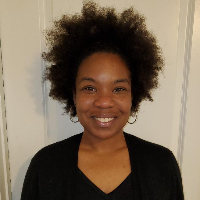
Asyia Hall
LCSW
Compassionate, practical care for anxiety and trauma
- Family
- Stress, Anxiety
- Trauma and abuse
Clinical social work directory
1,258 therapists list family among the things they work with. All offer sessions online, and every profile shows the registering body, the membership number and when it runs to.
Explore profiles of family therapists who note EMDR among their approaches to support family relationships, parenting, and multigenerational patterns. Browse the listings below to compare focus areas, approaches, credentials, languages, and experience that align with what you need.
LCSW
Compassionate, practical care for anxiety and trauma
LCMHC
Practical, trauma-informed counseling for adults
LPC
Trauma-aware counselor focused on practical change
LPC
Compassionate counselor using practical, evidence-informed care
AASW
Practical, compassionate counselling for everyday challenges
LPC
Calm, practical guidance for life’s hard moments
LMFT, LCMFT
Helping people break painful relationship patterns
LPC
Compassionate counselor for lasting change
NCPS
Support for anxiety, trauma, and life changes
MD, LCPC
Compassionate practical therapy for life’s challenges
BACP
Calm support for life’s difficult chapters
AASW
Practical, culturally aware mental health support
LPC
Centered, practical therapy for everyday struggles
LPC
Practical, trauma-informed counseling for life challenges
LCMHC
Experienced counselor who uses practical therapies
LMFT
Experienced therapist guiding practical change
BACP
Experienced counsellor for trauma and life change
LPC
Supportive counselor focused on practical progress
BACP, NCPS
Therapist combining psychological insight with practical tools
LPC
Compassionate, experienced counseling for adults
LPC
Compassionate counselor focused on practical change
LMHC
Calm, practical support for life and trauma
LCSW
Trauma-informed LCSW focused on practical skills
LIMHP
Practical, collaborative care for stress and trauma
BACP
Practical, nature-informed counselling and support
LPC
Compassionate, practical therapy for real-life struggles
LCSW
Practical, compassionate help for trauma and life change
LPC
Compassionate, practical support for life’s hard moments
LCSW
Compassionate, practical therapy for life challenges
LCSW
Practical, person-focused therapy for stress and trauma
BACP
Trauma-aware counsellor with multicultural insight
LPC, LPCC
Calm, practical help for life’s hardest moments
LCPC
Calm practical therapy for life’s heavy moments
LPCC
Practical therapy for trauma and life stress
LMFT
Compassionate therapist combining practical strategies
LMHC
Practical skills for anxiety and trauma recovery
LCSW
Practical, respectful therapy for life challenges
ACA
Experienced ACA counsellor helping with trauma and stress
BACP
Experienced counsellor who uses EMDR and CBT
Some links on this page are partner links. We will earn a commission if you sign up through one, at no cost to you. It does not change what you pay or the order of the listings.
Your family is often the first context in which you learn how to relate to others, manage emotions, and make sense of the world. Families can provide deep support, identity, and practical care, but they can also be places where conflict, miscommunication, unresolved grief, and intergenerational patterns are passed down. When relationships within a family are strained, the effects can ripple into daily life - affecting your mood, work, parenting, and physical health. You may find that historical patterns reappear during major life changes such as divorce, the birth of a child, illness, or the loss of a family member. Those patterns are not a moral failing; they are often adaptive responses that made sense in a different time or under different stressors.
Family issues can show up in many ways. You might notice repeated arguments that never seem to resolve, persistent distance between siblings, difficulty co-parenting, or parent-child struggles that feel overwhelming. Sometimes what looks like an individual problem - anxiety, depression, or difficulty with boundaries - has roots in family dynamics. Therapy focused on family recognizes that relationships are systems in motion, and it explores how feelings, roles, and expectations move between people rather than residing in one person alone.
Knowing when to seek help can be unclear, but there are common signals that family-focused therapy could be useful. If conversations escalate into the same conflicts without resolution, if communication has broken down to the point that meaningful topics are avoided, or if significant life events uncover long-standing tensions, family therapy can offer a different way of approaching those challenges. You may also consider family therapy when parenting strategies are repeatedly in conflict, when children or teenagers show behavioral changes tied to home life, or when caregiving responsibilities strain relationships between siblings or generations.
Another sign is feeling stuck in patterns that seem to repeat across generations - for example, patterns around emotional expression, substance use, or approaches to boundaries and independence. If you are carrying grief, shame, or anger that feels tied to family events and that affects your relationships outside the family, family therapy can help you explore those threads. Importantly, seeking family therapy does not mean that one person is blamed; it means that the relationships themselves are the focus of change, and that new ways of connecting can be learned and practiced.
When you begin family therapy, the first sessions typically focus on gathering context - the history of important relationships, current patterns of interaction, and goals for therapy. A therapist will usually invite each participant to share their perspective and will pay attention to how emotions and communication move in the room. Sessions are often structured to ensure that everyone has a chance to speak and that moments of high emotion can be contained and processed. You should expect a mix of reflection, education about relational dynamics, and guided practice in new ways of relating.
Therapy may include exercises designed to shift long-standing patterns. These might involve role-play, structured conversations with guided turn-taking, or tasks to try between sessions to practice new communication strategies. Therapists working with families often help you identify roles that family members have adopted and explore how those roles limit or protect people. Progress in family therapy can be uneven; you may experience breakthroughs alongside setbacks. The aim is typically to develop clearer communication, healthier boundaries, and more effective problem-solving skills rather than quick fixes.
Family therapists draw on several established approaches to address relational patterns. Family systems work looks at how behaviors and emotions are interconnected across relationships and focuses on altering interactional cycles. Attachment-informed approaches consider how early caregiving relationships shape expectations about closeness and safety and help you build more supported ways of relating. Structural family therapy pays attention to the organization of relationships and the boundaries between subsystems, helping families reorganize around healthier patterns. Narrative approaches encourage you to externalize problems and rewrite the stories that family members tell about one another. Trauma-informed approaches acknowledge the impact of traumatic experiences on family dynamics and can guide work toward regulated, stabilizing interactions.
Some therapists in the listings note that they include EMDR among their approaches to address how traumatic memories influence family roles and reactions. That phrasing indicates that EMDR is one of several tools a therapist may describe in their profile. When exploring practitioner profiles, you will see a range of approaches that can be combined to meet the unique needs of your family.
Online family therapy connects you with a clinician via video, phone, or text-based messaging platforms so that members in different locations can participate together. This format can be particularly helpful when family members live apart or when scheduling in-person sessions is difficult. Online sessions often follow the same structure as in-person work - opening check-ins, focused conversation, and closing reflections - but therapists may use digital whiteboards, screen sharing, or messaging between sessions to support learning and carryover. You should plan for a comfortable environment at home where participants can speak without frequent interruptions and where everyone has a reliable internet connection and a device with a camera and microphone.
Therapists adapt techniques for remote work by using more explicit communication cues and by setting clear agreements about who speaks when. Online family therapy also makes it possible to include members who might otherwise be unable to attend due to distance or mobility challenges. If you are considering online sessions, think about whether the technology feels manageable for all participants and whether the home environment allows for the level of privacy and focus needed for deeper conversations.
Choosing a therapist for family work involves looking beyond a single label and assessing how a clinician describes their focus, experience, and approach. Pay attention to whether a therapist lists experience with family dynamics similar to yours - for example, work with blended families, co-parenting after separation, caregiver stress, or intergenerational trauma. Look at the approaches they mention and consider how those might fit with your goals; some therapists emphasize systems-based work, while others note attachment or trauma-informed methods. Remember that profiles showing that a clinician lists EMDR among their approaches indicate that EMDR is one of multiple methods they may use, not an assertion of specific credentials.
Language and cultural understanding are also important. If your family speaks multiple languages or shares cultural practices that shape communication and caregiving, finding a therapist who acknowledges that context can help the therapeutic process. Consider logistical details like session length and format - for example, whether a clinician describes working with whole-family sessions, with subsets of the family, or with caregiver-only meetings to support change. Finally, trust your sense of fit. A good match is one where you feel the therapist listens to everyone involved, sets clear boundaries around the work, and helps the family move toward clearer communication and more manageable patterns.
Family therapy can be a path to understanding recurring dynamics and learning different ways of relating that reduce conflict and increase connection. Use the listings below to review profiles, read about focus areas and approaches, and identify practitioners whose descriptions resonate with your family's needs. The right therapeutic partnership can create space for new conversations, healthier boundaries, and renewed relationships across generations.