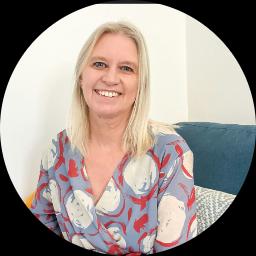
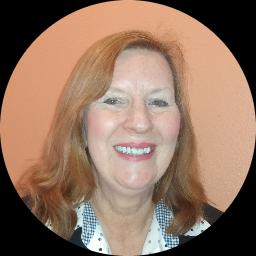
Paula Green, LCPC, LPCC
Idaho · 20 years in practice
Paula Green is a licensed counselor with 20 years of experience who helps people manage stress, anxiety, trauma and abuse, depression, and family concerns.
License and registration
- LCPC, Idaho
- LCPC-4139 · expires November 2027
- LPCC, New Mexico
- CTB-2024-0367 · expires September 2027
- NPI
- 1225084304 · national provider identifier
- Years in practice
- 20
- Languages
- English
Details are as listed on the therapist's public professional profile. You can check the license with the issuing state board, and the NPI with the national registry.
About Paula
Paula Green is a licensed counselor with 20 years of experience who helps people manage stress, anxiety, trauma and abuse, depression, and family concerns. She works with adults, teens, and children to address everyday struggles and major life changes. Paula focuses on practical steps that help people feel steadier and more capable.
She draws on several approaches in sessions, including client-centered work, cognitive behavioral techniques, dialectical behavior skills, mindfulness, and Eye Movement Desensitization and Reprocessing (EMDR).
Background and approach
Paula aims to match methods to each person’s needs so sessions feel relevant and useful. She explains tools plainly and practices them together with clients. Paula’s background includes clinic and independent practice work and many years supporting people affected by domestic violence and sexual assault.
She has provided counseling in outpatient settings and in an intensive partial hospitalization program. This range of settings shaped her ability to adapt to different needs and to respond calmly in stressful moments. In sessions she emphasizes collaboration and clear goals.
Paula listens for what matters most to each person and helps build skills for managing strong emotions, improving family communication, and coping with major transitions. Her style is straightforward and caring, aimed at small changes that add up. Paula practices in New Mexico and speaks English.
She encourages a step-by-step approach so people can try strategies and see what fits their life before moving forward.
Focus areas and approaches
Everything Paula lists on their public professional profile, in their own terms.
- Stress, Anxiety
- Family conflicts
- Trauma and abuse
- Depression
- Coping with life changes
- Adoption and foster care
- Autism and Asperger Syndrome
- Blended family issues
- Body image
- Caregiver issues and stress
- Communication problems
- Disruptive Mood Dysregulation Disorder (DMDD)
- Dissociation
- Domestic violence
- Family of origin issues
- Family problems
- Forgiveness
- Guilt and shame
- Impulsivity
- Isolation / loneliness
- Jealousy
- Life purpose
- Midlife crisis
- Mood disorders
- Obsessions, compulsions, and OCD
- Panic disorder and panic attacks
- Personality disorders
- Post-traumatic stress
- Seasonal Affective Disorder (SAD)
- Self-harm
- Sexual assault and abuse
- Sexuality
- Social anxiety and phobia
- Somatization
- Trichotillomania
- Women's issues
- Workplace issues
- Young adult issues
Approaches Paula names
- Eye Movement Desensitization and Reprocessing (EMDR)
- Client-Centered Therapy
- Cognitive Behavioral Therapy (CBT)
- Dialectical Behavior Therapy (DBT)
- Mindfulness Therapy
- Motivational Interviewing
- Narrative Therapy
- Solution-Focused Therapy
- Trauma-Focused Therapy
Naming an approach is not evidence of training in it. This directory copies what each therapist lists and does not check training records.
Online support
Approaches that translate well to online care
Client-Centered Therapy focuses on understanding each person’s goals and building a collaborative relationship. It helps when someone needs a supportive space to talk through problems and decide what matters most. Cognitive Behavioral Therapy, or CBT, looks at how thoughts, feelings, and actions interact and teaches simple exercises to reduce anxiety and lift mood. CBT is often used for stress, anxiety, and depression. EMDR, or Eye Movement Desensitization and Reprocessing, is used to work with traumatic memories by combining focused attention with guided bilateral stimulation; some people find it helpful for trauma-related symptoms.Deciding which approach to use is part of the work together. Paula will talk with each person about goals, past experiences, and preferences, then recommend a mix of methods to try. The process is collaborative and can be adjusted as therapy progresses.
Online sessions offer practical flexibility. Video calls let people work face-to-face without traveling. Phone sessions can be a lower-bandwidth option and may be easier during a busy day. Live chat and text-based messaging allow shorter check-ins and ongoing support between scheduled sessions. These formats make it easier to fit care into everyday life while using the therapist’s chosen approaches.
We will earn a commission if you sign up through our link, at no cost to you. It does not change what you pay or the order of the listings.
Questions people ask
What concerns does Paula focus on?
She supports people with stress, anxiety, trauma and abuse, depression, family problems, and coping with life changes. Additional focus areas include adoption and foster care, autism and Asperger syndrome, body image, caregiver stress, and related issues.
What is her therapeutic style like?
Paula uses a collaborative and straightforward style. She listens, sets clear goals, and teaches practical skills people can use between sessions.
How much experience does she have?
She has 20 years of professional experience, including many years working with survivors of domestic violence and sexual assault and in outpatient and intensive partial hospitalization settings.
Where is she located and what are her credentials?
Paula practices in New Mexico and holds the credentials LCPC and LPCC with the provided IDs on file.
What languages are available for sessions?
Sessions are offered in English. International clients are accepted.
Which session formats are offered?
She offers video calls, phone sessions, live chat, and text-based messaging to fit different needs and schedules.
How does billing and cost work?
Cost varies with location and therapist availability. Sessions use a subscription model that can be canceled at any time.
What are the first steps to begin therapy?
To start, select the Start Therapy button, fill out a short matching questionnaire, and schedule a time based on therapist availability.
More therapists in New Mexico
See allMark Silla
LPCC
Compassionate clinician focused on practical change
- Stress, Anxiety
- Addictions
- Relationship
Xochitl Valenzuela
LCSW
Compassionate therapist for stress and trauma
- Stress, Anxiety
- Trauma and abuse
- Self esteem
Moriah MacCleod
LPCC
Compassionate counselor focusing on practical growth
- Stress, Anxiety
- Trauma and abuse
- Depression
Is this your profile?
Ask us to correct details or take the page down.
Contact us