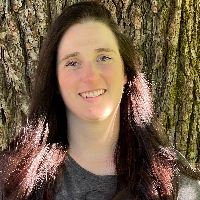
Marisa Schaff, LICSW
Washington · 10 years in practice
Marisa Schaff is a Licensed Independent Clinical Social Worker (LICSW) based in Washington who helps people handle stress, anxiety, addiction, grief, and major life changes.
License and registration
- LICSW, Washington
- LW61106044 · expires August 2026
- NPI
- 1265909584 · national provider identifier
- Years in practice
- 10
- Languages
- English
Details are as listed on the therapist's public professional profile. You can check the license with the issuing state board, and the NPI with the national registry.
About Marisa
Marisa Schaff is a Licensed Independent Clinical Social Worker (LICSW) based in Washington who helps people handle stress, anxiety, addiction, grief, and major life changes. She listens for what matters most and works with each person to set clear, manageable goals. Sessions aim to be practical and respectful, with room for lightness when it helps.
She began as a substance abuse counselor in 2010 and later earned a Master of Social Work from the University of Denver with a concentration in family systems.
Background and approach
While studying she completed coursework on military culture and a post-graduate program in marriage and family therapy at the Denver Family Institute. That mix of experience gives her a broad view of how mental health and addiction often overlap. Marisa uses a person-centered style that draws on several methods.
She blends Cognitive Behavioral Therapy with Dialectical Behavior Therapy skills, Motivational Interviewing, EMDR, mindfulness, and narrative approaches. The therapist adapts techniques to fit each person’s situation and goals rather than applying a single method to everyone. Her background includes work in drug court, residential programs for pregnant and postpartum women, and other clinical settings.
She has helped with relationship and communication problems, family-origin issues, trauma and abuse, mood concerns like depression and bipolar, and challenges such as ADHD and co-occurring conditions. Evening and some weekend appointments are offered. Marisa emphasizes collaboration: she recognizes that people bring valuable knowledge about their own lives and partners with them to make steady, practical changes.
Focus areas and approaches
Everything Marisa lists on their public professional profile, in their own terms.
- Stress, Anxiety
- Addictions
- Relationship issues
- Trauma and abuse
- Intimacy-related issues
- Family conflicts
- Grief
- Self esteem
- Bipolar disorder
- Depression
- Coping with life changes
- ADHD
- Abandonment
- Attachment issues
- Co-morbidity
- Codependency
- Communication problems
- Control issues
- Drug and alcohol addiction
- Family of origin issues
- Family problems
- First responder issues
- Forgiveness
- Guilt and shame
- Infidelity
- Isolation / loneliness
- Life purpose
- Veteran and Armed Forces Issues
- Mood disorders
- Post-traumatic stress
- Process addiction (porn, exercise, gambling)
- Self-harm
- Sexual assault and abuse
- Women's issues
Approaches Marisa names
- Eye Movement Desensitization and Reprocessing (EMDR)
- Cognitive Behavioral Therapy (CBT)
- Dialectical Behavior Therapy (DBT)
- Mindfulness Therapy
- Motivational Interviewing
- Psychodynamic Therapy
- Solution-Focused Therapy
- Trauma-Focused Therapy
Naming an approach is not evidence of training in it. This directory copies what each therapist lists and does not check training records.
Online support
How EMDR, CBT, DBT and online care work together
EMDR helps people process distressing memories and strong emotional reactions by guiding attention and gentle processing; it can reduce the intensity of upsetting images and the feelings tied to them. Cognitive Behavioral Therapy (CBT) focuses on identifying and changing unhelpful thoughts and behaviors to improve mood and daily functioning. Dialectical Behavior Therapy (DBT) teaches concrete skills for emotion regulation, distress tolerance, and better communication when emotions feel overwhelming. Finding the right mix of approaches is part of the work. Marisa will collaborate with each person to choose techniques that match their goals, needs, and comfort level. Treatment plans can shift over time as progress is made or new concerns arise. Online therapy offers flexibility and multiple ways to connect. Video calls allow face-to-face conversation and visual cues, while phone sessions work well when bandwidth is low or a quick check-in is needed. Live chat and text-based messaging suit short updates, mood tracking, or when writing feels easier than talking. These options make it simpler to fit therapy into evenings or weekends and to continue care when schedules change.We will earn a commission if you sign up through our link, at no cost to you. It does not change what you pay or the order of the listings.
Questions people ask
What kinds of concerns does this therapist address?
She works with stress, anxiety, addictions, trauma and abuse, relationship and intimacy issues, grief, depression, bipolar concerns, ADHD, and related challenges.
How would you describe her therapy style?
Her approach is person-centered and strength based, mixing practical skills, structured techniques, and moments of humor when helpful.
What is her clinical background and experience?
She has about 10 years of clinical work, starting as a substance abuse counselor in 2010 and completing graduate study and post-graduate family therapy training.
What are her credentials and where does she practice?
She is a LICSW licensed in Washington and provides services to people in that state.
Can sessions be held in other languages or for international clients?
Sessions are offered in English and international clients are not accepted at this time.
What session formats are available?
Appointments can be conducted via video calls, phone sessions, live chat, or text-based messaging.
How does payment and cost work?
Cost varies with location and therapist availability and uses a subscription model that can be canceled at any time.
How do I begin if I want to work with her?
Start by selecting the Start Therapy button, complete a short matching questionnaire, and then schedule according to therapist availability.
More therapists in Washington
See allTina Resneck
LMHC
Warm, practical support for trauma and life change
- LGBT
- Trauma and abuse
- Self esteem

Debra "Debbie" Briggs
LMHC
Calm, practical support for trauma and anxiety
- Stress, Anxiety
- Trauma and abuse
- Self esteem

Darlene Hill
LMHC
Practical, trauma-informed therapy for everyday life
- Stress, Anxiety
- Relationship
- Trauma and abuse

Is this your profile?
Ask us to correct details or take the page down.
Contact us