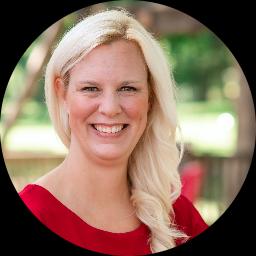
Jacqueline Rafter, LCSW, LMSW
Michigan · 10 years in practice
Jacqueline Rafter is a licensed clinical social worker with ten years of experience supporting people through trauma, stress, and relationship challenges.
License and registration
- LMSW, Michigan
- 6801106200 · expires December 2026
- LCSW, Indiana
- 34009470A · expires April 2026
- LCSW, California
- LCSW118581 · expires October 2027
- NPI
- 1770948127 · national provider identifier
- Years in practice
- 10
- Languages
- English
Details are as listed on the therapist's public professional profile. You can check the license with the issuing state board, and the NPI with the national registry.
About Jacqueline
Jacqueline Rafter is a licensed clinical social worker with ten years of experience supporting people through trauma, stress, and relationship challenges. She holds the LCSW and LMSW credentials and practices from Michigan. Jacqueline describes her approach as direct, warm, and nonjudgmental.
She often helps people dealing with low self-esteem, people-pleasing, anxiety, and depression. She also works with those facing parenting strain, career transitions, and the fallout of traumatic relationships. Her practice includes attention to anger, ADHD, intimacy-related concerns, and the stress that comes from caregiving or compassion fatigue.
Background and approach
Jacqueline uses practical techniques to reduce symptoms and build new skills. She incorporates Eye Movement Desensitization and Reprocessing, Cognitive Behavioral Therapy, and inner child healing work. Sessions are tailored to each person's situation and focus on skills that can be used between appointments.
Her style is interactive and empowering. Conversations are guided but conversational, with an emphasis on respect and sensitivity. Jacqueline aims to help people feel heard while working toward clearer goals.
She offers several remote formats to fit different routines, and scheduling considers time zone differences because she practices from Michigan. Jacqueline emphasizes steady, collaborative progress and helps people take small, manageable steps toward change.
Focus areas and approaches
Everything Jacqueline lists on their public professional profile, in their own terms.
- LGBT
- Relationship issues
- Trauma and abuse
- Anger management
- ADHD
- Stress, Anxiety
- Family conflicts
- Intimacy-related issues
- Parenting issues
- Career difficulties
- Coping with life changes
- Coaching
- Compassion fatigue
- Abandonment
- Attachment issues
- BDSM, kink, and alternative sex culture
- Caregiver issues and stress
- Chronic pain, illness, and disability
- Co-morbidity
- Codependency
- Commitment issues
- Communication problems
- Control issues
- Divorce and separation
- Family of origin issues
- Family problems
- Fatherhood issues
- First responder issues
- Forgiveness
- Guilt and shame
- Infidelity
- Isolation / loneliness
- Jealousy
- Life purpose
- Men's issues
- Midlife crisis
- Money and financial issues
- Mood disorders
- Multicultural concerns
- Narcissism
- Panic disorder and panic attacks
- Personality disorders
- Polyamory / non-monogamous relationships
- Post-traumatic stress
- Process addiction (porn, exercise, gambling)
- Seasonal Affective Disorder (SAD)
- Self-love
- Sexual assault and abuse
- Sexuality
- Social anxiety and phobia
- Somatization
- Women's issues
- Workplace issues
- Young adult issues
Approaches Jacqueline names
- Eye Movement Desensitization and Reprocessing (EMDR)
- Attachment-Based Therapy
- Client-Centered Therapy
- Cognitive Behavioral Therapy (CBT)
- Gottman Method
- Motivational Interviewing
- Narrative Therapy
- Psychodynamic Therapy
- Solution-Focused Therapy
- Somatic Therapy
- Trauma-Focused Therapy
- Internal Family Systems
Naming an approach is not evidence of training in it. This directory copies what each therapist lists and does not check training records.
Online support
Using evidence-based approaches in online care
Jacqueline blends EMDR and Cognitive Behavioral Therapy to address trauma and daily symptoms. EMDR is used to help process distressing memories and reduce their emotional hold. CBT focuses on identifying unhelpful thought patterns and learning practical skills to manage anxiety, depression, and stress.Finding the right approach is a collaborative process. Jacqueline will work with each person to choose methods that fit their goals and comfort level, and will adjust the plan as progress is made. Conversations will center on what feels most useful and realistic for the client's life.
Online sessions include video calls, phone sessions, live chat, and text-based messaging to provide flexibility. Video calls let people use visual cues and longer talk therapy, phone sessions are a good option when bandwidth is limited, live chat can be used for shorter check-ins, and messaging supports ongoing reflection between meetings. These options make it easier to fit therapy into work schedules, caregiving routines, or days with limited time.
We will earn a commission if you sign up through our link, at no cost to you. It does not change what you pay or the order of the listings.
Questions people ask
What kinds of problems does Jacqueline focus on?
She helps people with trauma and abuse, anxiety, depression, relationship and intimacy issues, parenting stress, ADHD, anger, career changes, and caregiving strain.
What is her therapeutic style like?
Her approach is warm, non-judgmental, and direct. Sessions are interactive and aim to empower people with practical skills.
How much experience does she have?
She has ten years of clinical experience working with a range of concerns related to trauma, relationships, and life transitions.
Where is she licensed and based?
She practices from Michigan and holds the LCSW and LMSW credentials with licensure noted for CA LCSW and MI LMSW.
Which languages are offered for sessions?
Sessions are offered in English.
What session formats does she provide?
Jacqueline offers video calls, phone sessions, live chat, and text-based messaging to match different needs and schedules.
How does cost and billing work?
Session cost varies with location and therapist availability; services use a subscription model that can be canceled at any time.
How do I begin working with her?
Start by selecting the Start Therapy button, complete a short matching questionnaire, and then schedule sessions according to therapist availability.
More therapists in Michigan
See all
Cassandra Tordosinsky
LPC
Compassionate, practical therapy for real-life struggles
- Stress, Anxiety
- Addictions
- Trauma and abuse

Surilla Lawrence
LPC
Trauma-informed counselor focused on connection and coping
- Stress, Anxiety
- Relationship
- Trauma and abuse
Dr. Cheri Anderson
LPC
Experienced counselor with practical guidance
- Stress, Anxiety
- Addictions
- Relationship
Is this your profile?
Ask us to correct details or take the page down.
Contact us