
Brooke Ayoub, LMHC
New York · 5 years in practice
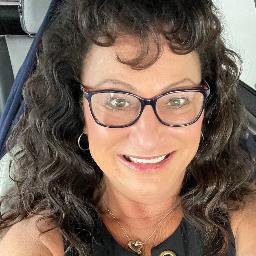
Brooke Ayoub is a licensed mental health counselor (LMHC) based in New York.
License and registration
- LMHC, New York
- 015063 · expires July 2027
- NPI
- 1457170094 · national provider identifier
- Years in practice
- 5
- Languages
- English
Details are as listed on the therapist's public professional profile. You can check the license with the issuing state board, and the NPI with the national registry.
About Brooke
Brooke Ayoub is a licensed mental health counselor (LMHC) based in New York. She has five years of clinical experience and works with people facing stress, anxiety, mood concerns, trauma, and relationship struggles. Brooke aims to help clients build practical skills for day-to-day life and to find clearer directions for work and family roles.
Brooke draws on approaches such as cognitive behavioral therapy, acceptance and commitment therapy, client-centered work, existential ideas, and EMDR.
Background and approach
She mixes talk-based strategies with breathing and mindfulness tools to help manage strong emotions and upsetting memories. Sessions tend to focus on small, doable steps that fit into busy lives. Her background includes work across community mental health settings supporting people with a range of diagnoses and crisis needs.
She also trained in vocational rehabilitation and has experience helping people move toward employment goals when mental health is a barrier. That practical outlook often shows up in treatment planning. Brooke brings additional practices like yoga and meditation into sessions when clients want movement-based or body-focused techniques.
She emphasizes collaborative goal setting and respects each person’s pace and priorities. Brooke encourages parents and caregivers who are worried about family dynamics, parenting strain, or blended household issues to raise those topics openly. People who choose Brooke usually want straightforward tools, steady support, and a therapist who listens closely while helping them try new behaviors.
Her work is grounded in clear steps, calm presence, and encouragement to try small changes that add up over time.
Focus areas and approaches
Everything Brooke lists on their public professional profile, in their own terms.
- Stress, Anxiety
- Relationship issues
- Trauma and abuse
- Self esteem
- Coping with life changes
- Family conflicts
- Intimacy-related issues
- Parenting issues
- Anger management
- Career difficulties
- Bipolar disorder
- Depression
- Coaching
- Blended family issues
- Caregiver issues and stress
- Chronic pain, illness, and disability
- Commitment issues
- Communication problems
- Control issues
- Dependent personality
- Divorce and separation
- Domestic violence
- Family problems
- Forgiveness
- Impulsivity
- Jealousy
- Life purpose
- Midlife crisis
- Mood disorders
- Narcissism
- Obsessions, compulsions, and OCD
- Panic disorder and panic attacks
- Paranoia
- Personality disorders
- Phobias
- Post-traumatic stress
- Self-harm
- Self-love
- Sexual assault and abuse
- Women's issues
- Young adult issues
Approaches Brooke names
- Eye Movement Desensitization and Reprocessing (EMDR)
- Acceptance and Commitment Therapy (ACT)
- Client-Centered Therapy
- Cognitive Behavioral Therapy (CBT)
- Existential Therapy
- Mindfulness Therapy
- Motivational Interviewing
- Narrative Therapy
- Solution-Focused Therapy
- Trauma-Focused Therapy
Naming an approach is not evidence of training in it. This directory copies what each therapist lists and does not check training records.
Online support
How Brooke’s approaches translate to online care
Brooke commonly uses cognitive behavioral therapy and EMDR alongside acceptance and commitment therapy to help people manage symptoms and move toward meaningful goals. CBT focuses on identifying patterns of thinking and testing them with real-world experiments to reduce anxiety and improve mood. EMDR works with processing upsetting memories and can help reduce the intensity of traumatic reactions when used as part of a paced treatment plan. Acceptance and commitment therapy helps clients clarify values and take action that aligns with what matters most.Finding the right approach is part of the work and Brooke treats that as a shared process. She reviews goals and preferences with each person and adapts methods over time. Clients and therapist decide together whether to emphasize skills, values-based steps, or trauma processing based on how things are progressing.
Online sessions give practical flexibility. Video calls let the therapist and client use face-to-face work for skills practice and EMDR protocols when appropriate. Phone sessions can be a simpler option when bandwidth is limited or a quieter check-in is needed. Live chat and text-based messaging provide shorter, on-the-go support and brief coaching between sessions. These options help people fit therapy into work, parenting, and other busy schedules while keeping the focus on steady progress.
We will earn a commission if you sign up through our link, at no cost to you. It does not change what you pay or the order of the listings.
Questions people ask
What concerns does Brooke commonly help with?
She helps people managing stress, anxiety, depression, mood fluctuations such as bipolar, trauma and abuse, relationship and family concerns, parenting strain, career questions, and issues like low self-esteem or anger.
How would you describe her therapeutic style?
Brooke uses a practical, collaborative style that blends talk therapy with mindfulness, breathing, and movement tools. Sessions focus on workable steps clients can try between meetings.
What experience does she bring to sessions?
She has five years of clinical experience in community mental health settings and work involving crisis intervention and suicide prevention. Her background includes supporting people with a variety of diagnoses and vocational challenges.
What are her credentials and where is she based?
She is a licensed mental health counselor - LMHC - and practices from New York.
Can sessions be provided in other languages or internationally?
Sessions are offered in English. She does not accept international clients at this time.
Which session formats are available?
Brooke offers video calls, phone sessions, live chat, and text-based messaging to fit different schedules and communication preferences.
How does payment and cost work?
Cost varies with location and therapist availability. Sessions use a subscription model that can be canceled at any time.
What steps do I take to begin therapy?
Start by selecting the Start Therapy button and completing a short matching questionnaire, then schedule sessions according to the therapist's availability.
More therapists in New York
See allTerrianne Yanulavich
LMHC
Calm, practical support for life and trauma
- Stress, Anxiety
- Relationship
- Trauma and abuse
Dr. Sung Ho Kim
NY Psychoanalyst
Experienced New York psychoanalyst blending skills and depth
- Stress, Anxiety
- Relationship
- Trauma and abuse

Richard Strand
LCSW
Therapist focused on trauma and life change
- Stress, Anxiety
- Addictions
- Trauma and abuse

Tammy Piazza
LMHC
Compassionate practical support for life challenges
- Stress, Anxiety
- Addictions
- Trauma and abuse

Is this your profile?
Ask us to correct details or take the page down.
Contact us