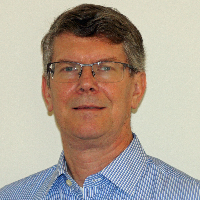
Stephen Creel, LMFT
California · 24 years in practice
Stephen Creel is a licensed marriage and family therapist with 24 years of clinical experience.
License and registration
- LMFT, California
- 44523 · expires August 2026
- LMFT, Texas
- 204077 · expires August 2027
- LMFT, Virginia
- 0717002148 · expires June 2026
- NPI
- 1043796386 · national provider identifier
- Years in practice
- 24
- Languages
- English
Details are as listed on the therapist's public professional profile. You can check the license with the issuing state board, and the NPI with the national registry.
About Stephen
Stephen Creel is a licensed marriage and family therapist with 24 years of clinical experience. He brings a straightforward, collaborative style to sessions and focuses on practical change. Stephen works with people facing anxiety, depression, addiction, trauma, relationship strains, grief, and life transitions.
He trained at Pepperdine University and earned a Master’s degree in Clinical Psychology. Before therapy he spent years as a working musician, an experience he says taught him about joy, disappointment, and the need for honest self-reflection.
Background and approach
That background informs a down-to-earth approach in the room. Stephen uses client-centered methods to form a respectful therapeutic relationship. He also draws on cognitive behavioral techniques to identify unhelpful thoughts and behaviors, and trauma-focused tools when past events are affecting day-to-day life.
EMDR is among the approaches he includes for addressing trauma and related symptoms. Sessions are collaborative. Stephen helps people spot the underlying beliefs that fuel anxiety, shame, or low self-worth.
He then works with them to test those beliefs and build different ways of coping and relating. Over his career he has worked in residential treatment settings and independent practice helping people recover from substance use, heal from abuse, and regain a sense of purpose. He aims to help clients move toward clearer values, steadier mood, and more satisfying relationships.
Stephen provides services from California and conducts sessions in English using video calls, phone, live chat, or messaging to fit different schedules and needs.
Focus areas and approaches
Everything Stephen lists on their public professional profile, in their own terms.
- Stress, Anxiety
- Addictions
- Trauma and abuse
- Self esteem
- Depression
- Relationship issues
- Family conflicts
- Grief
- Intimacy-related issues
- Parenting issues
- Anger management
- Career difficulties
- Coping with life changes
- Caregiver issues and stress
- Codependency
- Communication problems
- Drug and alcohol addiction
- Family of origin issues
- Forgiveness
- Guilt and shame
- Isolation / loneliness
- Life purpose
- Midlife crisis
- Veteran and Armed Forces Issues
- Mood disorders
- Panic disorder and panic attacks
- Post-traumatic stress
- Process addiction (porn, exercise, gambling)
- Self-love
- Sex addiction
Approaches Stephen names
- Eye Movement Desensitization and Reprocessing (EMDR)
- Client-Centered Therapy
- Cognitive Behavioral Therapy (CBT)
- Motivational Interviewing
- Trauma-Focused Therapy
Naming an approach is not evidence of training in it. This directory copies what each therapist lists and does not check training records.
Online support
How EMDR, CBT, and Client-Centered Work Translate Online
Stephen blends client-centered therapy with cognitive behavioral strategies and EMDR-informed trauma work. Client-centered therapy focuses on listening and reflecting so people feel heard and understood; it helps when someone needs a steady, empathetic space to sort feelings. Cognitive behavioral therapy looks at patterns of thought and behavior and teaches practical skills to reduce anxiety, manage mood, and change unhelpful habits. EMDR is used as a trauma-focused approach intended to reduce the intensity of distress tied to painful memories and reactions that interfere with daily life.Finding the right approach is part of the work. Stephen collaborates with each person to identify goals, try techniques, and adjust methods based on what helps most. That collaborative process helps shape whether sessions emphasize skills practice, deeper trauma processing, or supportive exploration of life questions.
Online sessions are offered by video calls, phone, live chat, or text-based messaging to match different needs. Video calls allow face-to-face interaction useful for teaching skills and processing material. Phone sessions can be simpler when bandwidth or comfort with cameras is an issue. Live chat and messaging suit brief check-ins, ongoing support, or people who prefer writing between scheduled conversations. These options make it easier to fit therapy into busy lives and keep momentum when progress matters.
We will earn a commission if you sign up through our link, at no cost to you. It does not change what you pay or the order of the listings.
Questions people ask
What kinds of concerns does Stephen address?
He helps people with stress, anxiety, depression, substance use and addictions, trauma and abuse, relationship and family issues, grief, self-esteem, intimacy concerns, parenting stress, anger, career changes, and related life transitions.
What is his therapy style like?
Stephen takes a collaborative, client-centered approach and uses practical tools from cognitive behavioral therapy and trauma-focused work to address thoughts, behaviors, and emotions.
How much experience does he have?
He has 24 years of clinical experience, including work in residential treatment and independent practice supporting recovery from substance use and healing from trauma.
What are his credentials and where is he based?
Stephen holds a Master’s degree in Clinical Psychology and is a Licensed Marriage and Family Therapist (LMFT) in Texas and California, based in California.
Which languages are supported for sessions?
Sessions are offered in English.
Can international clients work with him?
International clients are not accepted at this time.
What session formats does he offer?
He offers video calls, phone sessions, live chat, and text-based messaging to provide flexibility for different schedules and needs.
How are fees handled and how do I begin?
Costs vary with location and therapist availability and sessions are delivered through a subscription that can be canceled at any time. To begin, select the Start Therapy button, complete a short matching questionnaire, and schedule according to availability.
More therapists in California
See allKatherine Eldean
LMFT
Experienced therapist guiding practical change
- Stress, Anxiety
- Addictions
- Relationship

Menachem Stulberger
LMFT
Compassionate therapist combining practical strategies
- Stress, Anxiety
- Family
- Parenting

Dr. Monica Kelson
CA Psychologist
Calm, experienced psychologist focused on trauma care
- Stress, Anxiety
- Trauma and abuse
- Self esteem

Is this your profile?
Ask us to correct details or take the page down.
Contact us