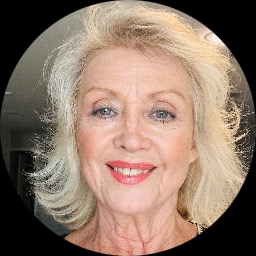
Dr. Cynthia Curnan, LMFT
California · 32 years in practice
Dr. Cynthia Curnan helps people facing stress, anxiety, relationship strains, trauma, grief, and intimacy concerns.
License and registration
- LMFT, California
- 29820 · expires May 2026
- NPI
- 1871115188 · national provider identifier
- Years in practice
- 32
- Languages
- English
Details are as listed on the therapist's public professional profile. You can check the license with the issuing state board, and the NPI with the national registry.
About Cynthia
Dr. Cynthia Curnan helps people facing stress, anxiety, relationship strains, trauma, grief, and intimacy concerns. She is Dr.
Cynthia Curnan, a California licensed marriage and family therapist with decades of clinical experience. Her approach aims to reduce overwhelm and restore clearer thinking so people can move forward. She draws on therapies that combine practical tools and deeper inner work.
Dr. Curnan uses Cognitive Behavioral Therapy to notice and change unhelpful thoughts and habits.
Background and approach
She also offers EMDR to address intense traumatic memories and trauma-focused methods to reduce the hold of past events. Her background began in teaching Inner Guidance before training as a psychotherapist. She earned a PhD in psychology and has practiced since receiving California licensure as an LMFT in 1992.
Over the years she has written about perfectionism and developed ways to help people loosen rigid self-demands. In sessions she helps people identify perfectionist patterns and replace them with a healthier inner drive toward excellence. She combines breath work, guided imagery, and interactive hypnotherapy when these tools fit the goal.
Dream work and inner child work are offered to access deeper material when needed. Clients can expect straightforward conversations, clear goals, and practical exercises to use between sessions. She supports work on caregiving stress, chronic illness and pain, money concerns, forgiveness, and finding renewed life purpose.
Her style mixes direct skills training with exploration of inner resources to help people regain agency and calm.
Focus areas and approaches
Everything Cynthia lists on their public professional profile, in their own terms.
- Stress, Anxiety
- Relationship issues
- Trauma and abuse
- Grief
- Intimacy-related issues
- Abandonment
- Caregiver issues and stress
- Chronic pain, illness, and disability
- Communication problems
- Control issues
- Divorce and separation
- Forgiveness
- Guilt and shame
- HIV / AIDS
- Hoarding
- Hospice and end-of-life counseling
- Jealousy
- Life purpose
- Midlife crisis
- Money and financial issues
- Mood disorders
- Narcissism
- Panic disorder and panic attacks
- Polyamory / non-monogamous relationships
- Post-traumatic stress
- Self-love
- Social anxiety and phobia
- Women's issues
- Workplace issues
Approaches Cynthia names
- Eye Movement Desensitization and Reprocessing (EMDR)
- Cognitive Behavioral Therapy (CBT)
- Gottman Method
- Hypnotherapy
- Trauma-Focused Therapy
Naming an approach is not evidence of training in it. This directory copies what each therapist lists and does not check training records.
Online support
How EMDR, CBT, and Trauma Work Translate Online
EMDR helps reduce distress tied to painful memories by combining focused recall with guided bilateral stimulation. In online sessions the therapist guides the process step by step and uses techniques adapted for remote work to help people process traumatic material. Cognitive Behavioral Therapy, or CBT, focuses on identifying unhelpful thoughts and testing them with practical behavioral experiments to reduce anxiety and improve mood. It is action-oriented and works well over video or phone when homework and skill practice are part of the plan. Trauma-focused therapy centers on understanding how past events shape present reactions and building skills to regulate emotions and respond differently to triggers.Choosing the right approach is a collaborative process. The therapist will listen to a person's history, goals, and preferences, then suggest which methods to try first. Plans are adjusted over time based on what is working and what the client wants to focus on.
Online therapy offers flexibility through video calls, phone sessions, live chat, and text-based messaging. Video sessions allow face-to-face interaction for techniques that benefit from visual cues. Phone sessions need less bandwidth and can be a good fit for shorter check-ins. Live chat or text messaging can work for brief updates, journaling support, and between-session coaching. These options make it easier to fit therapy into a busy life and to continue care across locations.
We will earn a commission if you sign up through our link, at no cost to you. It does not change what you pay or the order of the listings.
Questions people ask
What issues does she help with?
She supports people dealing with stress, anxiety, relationship problems, trauma and abuse, grief, and intimacy-related issues. Additional focus areas include caregiver stress, chronic pain and illness, communication problems, and life purpose questions.
What is her therapy style like?
Her style blends practical skills with inner work. Sessions often include thought-focused exercises, breathing, and guided imagery alongside conversations about personal patterns.
How long has she practiced?
She brings 32 years of professional experience and a background that includes teaching Inner Guidance and a PhD in psychology.
What are her credentials and where is she based?
She is a California licensed marriage and family therapist, listed as LMFT. Her practice is located in California.
Are sessions offered in other languages or internationally?
Sessions are offered in English, and she accepts international clients.
Which session formats are available?
She offers video calls, phone sessions, live chat, and text-based messaging to fit different needs and schedules.
How is cost handled?
Cost varies with location and therapist availability; sessions use a subscription model that can be canceled at any time.
How do I begin working with her?
To get started, select the Start Therapy button, complete a short matching questionnaire, and schedule sessions according to therapist availability.
More therapists in California
See allKatherine Eldean
LMFT
Experienced therapist guiding practical change
- Stress, Anxiety
- Addictions
- Relationship
Menachem Stulberger
LMFT
Compassionate therapist combining practical strategies
- Stress, Anxiety
- Family
- Parenting

Dr. Monica Kelson
CA Psychologist
Calm, experienced psychologist focused on trauma care
- Stress, Anxiety
- Trauma and abuse
- Self esteem

Is this your profile?
Ask us to correct details or take the page down.
Contact us