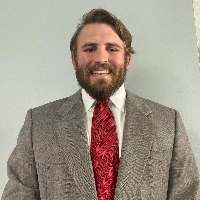
Chase Longnaker, LMFT
Kentucky · 10 years in practice
Chase Longnaker is a Licensed Marriage and Family Therapist (LMFT) practicing in Kentucky.
License and registration
- LMFT, Kentucky
- 263829 · expires August 2026
- NPI
- 1518598085 · national provider identifier
- Years in practice
- 10
- Languages
- English
Details are as listed on the therapist's public professional profile. You can check the license with the issuing state board, and the NPI with the national registry.
About Chase
Chase Longnaker is a Licensed Marriage and Family Therapist (LMFT) practicing in Kentucky. He brings ten years of clinical experience and focuses on helping people manage stress, anxiety, depression, and trauma. Chase works with individuals across childhood, adolescence, and young adulthood, as well as adults and couples when relevant to treatment goals.
Chase uses straightforward talk therapy alongside practical tools. He often draws on Cognitive Behavioral Therapy to spot unhelpful thinking and change routines.
Background and approach
He also uses EMDR to address traumatic memories and Solution-Focused Therapy to set short-term, achievable goals. His background includes work with first responder communities and training targeted to their needs. That experience informs how he approaches issues like post-traumatic stress, impulsivity, and intense stress reactions.
He aims to help clients feel more able to cope and make steady progress. In sessions he focuses on clear plans and measurable steps. Parents and young adults who want direct strategies and a calm, structured approach often find this style helpful.
He explains techniques plainly and partners with clients to fit them into daily life. Chase holds a master’s degree in Marriage and Family Therapy from Campbellsville University and practices as an LMFT in Kentucky. He provides care in English and offers multiple online session formats, including video calls, phone, live chat, and text messaging.
Focus areas and approaches
Everything Chase lists on their public professional profile, in their own terms.
- Stress, Anxiety
- Relationship issues
- Family conflicts
- Self esteem
- ADHD
- Trauma and abuse
- Grief
- Intimacy-related issues
- Parenting issues
- Anger management
- Bipolar disorder
- Depression
- Coping with life changes
- Blended family issues
- Codependency
- Commitment issues
- Communication problems
- Family of origin issues
- Family problems
- First responder issues
- Forgiveness
- Guilt and shame
- Impulsivity
- Post-traumatic stress
- Social anxiety and phobia
- Young adult issues
Approaches Chase names
- Eye Movement Desensitization and Reprocessing (EMDR)
- Cognitive Behavioral Therapy (CBT)
- Solution-Focused Therapy
- Trauma-Focused Therapy
- Internal Family Systems
Naming an approach is not evidence of training in it. This directory copies what each therapist lists and does not check training records.
Online support
How EMDR, CBT, and Solution-Focused Work Online
EMDR helps people process traumatic memories by guiding attention while recalling distressing events; online sessions can use structured bilateral stimulation and focused recall to reduce the intensity of those memories. Cognitive Behavioral Therapy (CBT) focuses on identifying unhelpful thoughts and changing behaviors; it translates well to video or phone sessions where worksheets, behavior plans, and homework are reviewed together. Solution-Focused Therapy centers on small, achievable steps and future goals, making it useful for short-term online check-ins and progress tracking.Choosing the right approach is part of the work. The therapist will discuss your history, goals, and preferences and then recommend options. Together you will try methods and adjust based on what helps most, so the plan fits your needs and pace.
Online therapy offers practical flexibility. Video calls let you work face-to-face when visual cues matter. Phone sessions can be easier when bandwidth is low or when a quicker check-in is needed. Live chat and text messaging are good for brief updates, tracking progress, and asking questions between sessions. These formats make it simpler to fit therapy into a busy day or manage follow-ups after sessions.
We will earn a commission if you sign up through our link, at no cost to you. It does not change what you pay or the order of the listings.
Questions people ask
What concerns does Chase commonly address?
He works with stress, anxiety, depression, trauma and abuse, ADHD, relationship and family difficulties, grief, parenting strain, and related issues.
How would you describe his therapy style?
He combines direct, practical interventions with collaborative goal-setting. Sessions often include skill practice, problem-solving, and step-by-step plans.
What is his clinical background?
Chase has ten years of clinical experience and training aimed at working with trauma, mood concerns, and first responder issues.
What credentials and location are on record?
He is a Licensed Marriage and Family Therapist - LMFT - practicing in Kentucky, with a master's degree in Marriage and Family Therapy.
Does he offer sessions in other languages or internationally?
Sessions are offered in English. International clients are not currently accepted.
Which session formats are available online?
He offers video calls, phone sessions, live chat, and text-based messaging to fit different schedules and preferences.
How is cost handled for therapy?
Cost varies by location and therapist availability; sessions use a subscription model that can be canceled at any time.
What are the first steps to begin therapy?
Select the Start Therapy button, complete a short matching questionnaire, and then schedule according to the therapist's availability.
More therapists in Kentucky
See allAsyia Hall
LCSW
Compassionate, practical care for anxiety and trauma
- Stress, Anxiety
- Trauma and abuse
- Grief

Lorena Ginn
LPCC
Healing practical steps for anxiety and trauma
- Stress, Anxiety
- Addictions
- Trauma and abuse

Vivian Fleming
LPCC
Practical therapy for trauma and life stress
- Stress, Anxiety
- Trauma and abuse
- Self esteem

Janel Adams
LCSW
Helping people stop pretending and rebuild self-worth
- Stress, Anxiety
- Trauma and abuse
- Self esteem

Is this your profile?
Ask us to correct details or take the page down.
Contact us