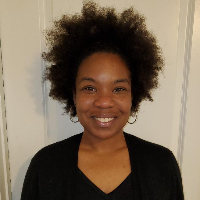
Asyia Hall
LCSW
Compassionate, practical care for anxiety and trauma
- Stress, Anxiety
- Trauma and abuse
- Grief
Clinical social work directory
519 therapists in this directory list Licensed Clinical Social Worker (LCSW). Registration details are shown as each therapist lists them; the body's own public register is the place to check a number.
A Licensed Clinical Social Worker (LCSW) is a mental health professional with a master’s degree in social work and advanced clinical training to provide psychotherapy, assessment and care coordination. Browse the verified LCSW therapists listed below to explore specialties, approaches, languages and professional backgrounds.
LCSW
Compassionate, practical care for anxiety and trauma
LCSW
Calm guidance for life’s hardest moments
LCSW
Practical trauma-informed care with compassion
LCSW, CSW
Connecting strengths with steady change
LCSW
Trauma-informed LCSW focused on practical skills
LCSW
Practical, compassionate help for trauma and life change
LCSW
Compassionate, practical therapy for life challenges
LCSW
Practical, person-focused therapy for stress and trauma
LCSW
Therapist focused on trauma and life change
LCSW
Practical, respectful therapy for life challenges
LCSW
Experienced LCSW focused on trauma and relationships
LCSW
Experienced LCSW helping people heal and cope
LCSW
Experienced Texas LCSW focused on trauma recovery
LCSW
Compassionate LCSW focused on trauma recovery
LCSW
Compassionate, experienced trauma and addiction clinician
LCSW
Helping people stop pretending and rebuild self-worth
LCSW
Helping people manage stress and relationships
MD, LCSW-C, LCSW
Seasoned clinician blending medical insight and social work
LCSW, CSW
Calm, experienced social worker focused on practical change
LCSW
Calm, practical therapy for life transitions
LCSW
Trauma-informed LCSW focused on practical support
LCSW
Compassionate clinician focused on practical growth
LCSW
Experienced LCSW helping practical emotional change
LCSW
Compassionate, practical therapy for life challenges
LCSW
Practical therapy for stress, trauma, and relationships
LCSW
Resilient-focused trauma and behavior support
LCSW, CSW
Practical, compassionate support for life’s hard moments
LCSW
Calm, practical therapy focused on recovery
LCSW
Helpful trauma-informed therapy for life's transitions
LCSW
Practical support for trauma and relationships
LCSW
Compassionate, practical therapy for life strain
LCSW, CSW
Calm practical support for stress and trauma
LCSW
Practical, compassionate therapy for life’s challenges
LCSW
Practical, values-aware therapy for adults
LCSW
Compassionate, experienced therapist focused on practical change
LCSW
Warm LCSW helping people navigate trauma and stress
LCSW, LMSW
Trauma-informed social worker focused on recovery and growth
LCSW
Compassionate, practical therapy for life changes
LCSW
Practical, collaborative therapy for life’s tough moments
Some links on this page are partner links. We will earn a commission if you sign up through one, at no cost to you. It does not change what you pay or the order of the listings.
When you see the LCSW credential next to a therapist’s name, it indicates a licensure pathway that begins with graduate-level education in social work. Most LCSWs hold a Master of Social Work degree, which combines coursework in human behavior, social systems and clinical practice with supervised fieldwork. After graduation, candidates complete a period of post-master’s clinical supervised experience, which varies by jurisdiction but typically involves several thousand hours working under the oversight of an experienced clinician. Successful completion of required supervision and passing a state or national licensure exam results in the Licensed Clinical Social Worker designation. Beyond initial licensure, many LCSWs meet continuing education requirements to maintain their credential, which helps ensure ongoing familiarity with evolving best practices and ethical standards.
As you review therapist profiles, you’ll often find details about education, years of practice and populations served. These elements give context to the LCSW credential, helping you understand the training background that informs a therapist’s clinical perspective. Keep in mind that licensing is regulated at the state or regional level, so the exact pathway and title can differ across locations even though the core emphasis on clinical social work and supervised practice is consistent.
As someone looking for care, you may wonder how an LCSW differs from other licensed professionals such as psychologists, marriage and family therapists or licensed professional counselors. LCSWs are trained with a systems-oriented lens that considers the individual in the context of family, community and social structures. This foundation equips LCSWs to provide psychotherapy, perform clinical assessments, develop treatment plans and coordinate care across services. Many LCSWs also have expertise in connecting people with community resources and navigating social supports such as housing, benefits or school systems.
Compared with psychologists, whose training often includes extensive coursework in psychological testing and research methods at the doctoral level, LCSWs prioritize practical clinical skills and community-based interventions. Compared with marriage and family therapists, LCSWs may have broader training in social policy and systems-level advocacy. Compared with licensed professional counselors, the LCSW route typically emphasizes social work theory and fieldwork experience. If you have specific needs - for example, comprehensive case management alongside psychotherapy or support navigating public services - you may find those strengths highlighted in an LCSW’s background. When reviewing profiles, focus on the types of services described and the populations the therapist lists as their focus areas to determine fit for your situation.
LCSWs work across a wide range of treatment areas. Many list specialties such as trauma recovery, grief and loss, depression and anxiety, relationship challenges, substance use concerns and life transitions. Because social work training stresses the interplay between individual experience and environmental factors, LCSWs often work with diverse populations including children, adolescents, adults, older adults and families. Some describe experience with perinatal mental health, veteran-related issues, or care for those navigating chronic illness or disability. You will also find LCSWs who emphasize work with marginalized communities and culturally responsive practice, noting languages spoken and cultural competencies.
When considering a therapist, look for descriptions about the kinds of problems they commonly address and the settings in which they practice. Many LCSWs work in outpatient mental health settings, community health centers, hospitals or nonprofit agencies, and some provide personal psychotherapy. On profile pages you may see mention of therapeutic approaches the clinician lists among their methods. Remember that a listed approach is information about a therapist’s stated orientation and should be considered alongside their experience and client focus rather than as proof of a specific certification.
It is reasonable to want to confirm that a therapist’s credential is current and in good standing. Licensing boards publish public registries where you can verify an LCSW license and view basic details such as the license status, issue and expiration dates, and any disciplinary actions. To check a license, note the issuing state or jurisdiction shown on the therapist’s profile, then use that state board’s online lookup tool. These official resources are the most direct way to confirm licensure information.
Beyond license verification, you can learn about a clinician’s education, supervised experience and areas of practice by reading their profile. Many therapists include professional biographies that explain training, populations served and languages spoken. You can also look for listings of professional memberships or continuing education pursuits, which offer further context about ongoing professional development. If you need information that isn’t listed, consider contacting the therapist or the clinic to ask about background, approach and experience. Gathering these details helps you make an informed decision about who may be a good fit for your needs.
Choosing an LCSW can offer particular advantages depending on what you need from therapy. If you value a practitioner who integrates attention to social context, systems and advocacy within clinical work, an LCSW’s training may align with those priorities. LCSWs often bring skills in connecting clients to community resources and coordinating care across agencies, which can be especially helpful if your concerns intersect with housing, education, employment or legal issues. Many people appreciate the emphasis on practical problem solving combined with therapeutic support.
To find the right LCSW for you, start by clarifying what you want from therapy - symptom relief, better coping strategies, support through a life transition, or assistance navigating services. Use profile filters to narrow by specialization, approaches listed, languages spoken and years of experience to identify clinicians whose stated focus matches your priorities. Read biographies to learn how a therapist describes their work and look for mentions of populations they commonly serve. If cultural identity or lived experience is important to you, note any references to cultural competency or language skills. When you reach out to inquire further, you can ask questions about approach, session structure and how they typically work with people who present with concerns like yours. Trust your impressions - feeling comfortable with a therapist’s style and communication is an important factor in whether therapy will feel like a good fit.
By combining credential verification with attention to specialties, approach and personal fit, you can make a more informed choice about an LCSW therapist. Use the profiles below to explore clinicians who list LCSW as their credential, read about their areas of focus and approach, and begin the process of identifying someone whose experience and style align with your needs.