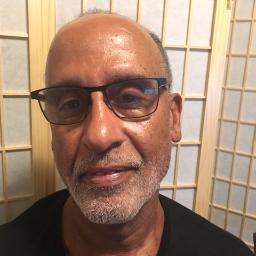
Jai Pitre
LCSW, CSW
Connecting strengths with steady change
- Stress, Anxiety
- Trauma and abuse
- Self esteem
Clinical social work directory
32 therapists in this directory list Certified Social Worker (CSW). Registration details are shown as each therapist lists them; the body's own public register is the place to check a number.
A Certified Social Worker (CSW) typically holds a graduate degree in social work and a credential that reflects meeting educational and professional standards. Browse the verified CSW therapists listed below to review their specialties, approaches, credentials and languages.
LCSW, CSW
Connecting strengths with steady change
LCSW, CSW
Calm, experienced social worker focused on practical change
LCSW, CSW
Practical, compassionate support for life’s hard moments
LCSW, CSW
Calm practical support for stress and trauma
LCSW, CSW
Experienced LCSW blending therapy and coaching
LCSW, CSW
Calm, practical therapy for trauma and stress
LCSW, CSW
Practical, trauma-aware social worker
LCSW, CSW
Supportive LCSW helping people move forward
LCSW, CSW
Trauma-informed, practical therapy for anxiety
LCSW, CSW
Practical, trauma-informed clinical social worker
LCSW, CSW
Calm, practical support for stress and trauma
LCSW, CSW
Practical trauma-informed care with EMDR options
LCSW, CSW
Practical, compassionate therapy focused on healing
LCSW, CSW
Practical, strengths-based therapy with EMDR options
LMSW, LCSW, CSW
Compassionate, practical care for emotional struggles
LCSW, CSW
Compassionate therapist focused on trauma recovery
LCSW, CSW, LSCSW
Compassionate, practical therapy for trauma and life change
LCSW, CSW
Calm, practical help for stress and trauma
LCSW, CSW
Compassionate, practical mental health support
LCSW, CSW
Calm, practical support for stress and trauma
LCSW, CSW
Experienced trauma-focused LCSW
LCSW, CSW
Short-term and skills-based trauma care
CSW
Trauma-informed social worker focused on practical skills
LCSW, CSW
Experienced trauma-informed social worker
LCSW, CSW
Compassionate trauma-informed social worker
LCSW, CSW
Compassionate support for stress and trauma recovery
LCSW, CSW
Comfortable, practical therapy for life challenges
LCSW, CSW
Practical, compassionate therapy for life challenges
LICSW, LCSW, CSW
Trauma-informed social worker focused on practical change
LICSW, LCSW, CSW
Practical support for stress and trauma
LCSW, CSW
Compassionate LCSW focused on practical healing
Some links on this page are partner links. We will earn a commission if you sign up through one, at no cost to you. It does not change what you pay or the order of the listings.
When you see the Certified Social Worker (CSW) designation it signals that a clinician has completed graduate-level study in social work and has pursued the credentialing steps recognized in their jurisdiction. Requirements vary by state and country, but most CSW credentials build on a Master of Social Work degree or equivalent graduate training, combined with supervised practice and a formal application or examination process. The term CSW may be used alongside other social work titles, and in some places it denotes a specific certification while in others it is more closely tied to licensure pathways. Because rules differ, it helps to view CSW as an indicator of formal social work education plus adherence to professional standards rather than a single uniform credential across every region.
Social work training emphasizes understanding individuals within their broader contexts - family systems, community resources, workplace dynamics and social policies. That orientation tends to shape the clinical approach of CSW therapists, who often integrate attention to practical needs, support networks and life circumstances with therapeutic work. If you value a clinician who considers both psychological and environmental factors, a CSW credential can be a helpful signal when you are searching for a therapist who brings that perspective.
CSW therapists can provide psychotherapy, case management, advocacy and coordination with community resources depending on state rules and their specific training. Unlike psychiatrists, who are medical doctors and can prescribe medication, social workers focus on psychosocial support, counseling and linking you to services. Compared with psychologists, whose training often emphasizes assessment and psychological testing, CSW clinicians commonly combine therapeutic work with practical assistance around housing, benefits, caregiving and systems navigation. Other license types such as Licensed Professional Counselors or Licensed Marriage and Family Therapists share overlapping competencies with CSW clinicians, and differences often come down to specific coursework, supervisory hours and state credentialing systems.
Because terminology and scopes of practice vary, you should think in terms of function rather than strict labels. If your priority is talk therapy combined with help coordinating community supports or addressing social factors affecting your wellbeing, a CSW therapist may match what you need. If you anticipate needing formal psychological testing or medication management, that would involve professionals whose training emphasizes those specific services. The most useful comparison is to review the individual clinician's listed focus areas, approaches and experience to see how they align with your goals.
CSW clinicians commonly work with a wide range of issues across the lifespan. Many list specialties in trauma, family and couples work, child and adolescent concerns, perinatal and postpartum mental health, aging and caregiving, substance use, community mental health, and grief. Their social work background often leads them to address the intersection of mental health with housing, employment, school systems and public benefits. You may encounter CSW therapists practicing in community clinics, hospital settings, schools, non-profit organizations and independent practice, each environment shaping the kinds of cases they frequently handle.
Practice approaches among CSW therapists can be diverse. Some clinicians include psychodynamic perspectives, cognitive and behavioral techniques, trauma-focused approaches, or strengths-based and systems-oriented methods. Because the directory records approaches as listed by therapists, you will see descriptions such as therapists who list EMDR among their approaches or those who describe a focus on attachment, resilience-building or solution-focused work. Those listings reflect the approaches the clinician reports using rather than a specific training credential, so you can use them as a starting point when narrowing your search.
To confirm a CSW designation, begin with the state or regional licensing board that oversees social work or counseling credentials where the clinician practices. Most boards maintain online license lookup tools where you can enter a name or license number to view the credential status and any public disciplinary information. Because the exact title and governing body vary, look for entries under social work or allied mental health professions in the relevant jurisdiction. If you encounter unfamiliar terminology, the licensing office can usually clarify whether a designation is a certification, provisional license, or independent clinical license.
Professional organizations such as national or state social work associations may offer directories or membership verification services that help you confirm a clinician's training and standing. You can also ask a clinician directly for their credential or license number and the state that issued it, then verify that information through the appropriate public portal. Requesting documentation of a graduate degree or supervised clinical hours is reasonable during an initial consultation. When you verify credentials this way you gain a clearer picture of a clinician's formal qualifications and any practice restrictions tied to their credential type.
Choosing a CSW therapist can bring several practical advantages depending on your needs. Social work training tends to emphasize a holistic approach that addresses environmental supports and systemic barriers alongside emotional and behavioral concerns. That orientation can be especially helpful if you need coordination with community services, support navigating schools or healthcare systems, or advocacy related to housing, employment or social welfare. CSW clinicians often draw on both therapeutic techniques and case management skills to help you build a plan that attends to immediate practical needs as well as longer-term psychological goals.
Another advantage is the focus on strengths and resilience that characterizes much of social work practice. CSW therapists may prioritize building coping skills, connecting you to supports and framing interventions within the context of your relationships and community. If multicultural competence and attention to social determinants of health matter to you, many CSW clinicians bring training and experience in these areas. As with any professional choice, outcomes depend on the individual clinician's experience and fit with your needs, so the CSW credential should be one part of how you select a therapist.
Begin by clarifying what you want from therapy - symptom relief, relationship work, help with life transitions, assistance accessing community resources, or all of the above. Use the directory to filter for clinicians who list relevant specialties, approaches and languages. Pay attention to the populations they mention working with, such as adolescents, older adults or perinatal clients, and look for descriptions that resonate with your circumstances. Because the directory records approaches as listed by therapists, you may see clinicians who list EMDR among their approaches; if that approach interests you, you can ask about their experience with it during your initial conversation without assuming specific certifications.
When you contact a prospective CSW therapist, ask about their experience with the particular issues you want to address, the settings where they have worked, and how they typically structure sessions. Confirm their credential and the issuing board, and if relevant, inquire about coordination with other professionals such as primary care providers or school staff. Consider practical factors such as language, cultural background, and whether the therapist's stated methods align with how you prefer to work. Finally, trust your sense of rapport - therapy often depends on a working relationship, so choosing someone you feel heard by and understood by matters as much as credentials do.
Finding a CSW therapist is a process of matching your needs with a clinician's training, approach and experience. By verifying credentials, reviewing focus areas and asking focused questions about practice orientation and experience, you can make an informed choice about who to contact. Use the listings below to explore CSW clinicians who have shared their specialties and approaches, then follow up with any that feel like a potential fit for your goals.