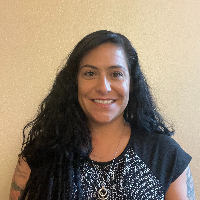
Rachel Williams, LCSW
Utah · 3 years in practice
Rachel Williams is an LCSW practicing in Utah who focuses on helping people manage stress, anxiety, depression, and trauma.
License and registration
- LCSW, Utah
- 14050997-3501 · expires September 2026
- NPI
- 1003473422 · national provider identifier
- Years in practice
- 3
- Languages
- English
Details are as listed on the therapist's public professional profile. You can check the license with the issuing state board, and the NPI with the national registry.
About Rachel
Rachel Williams is an LCSW practicing in Utah who focuses on helping people manage stress, anxiety, depression, and trauma. She brings three years of clinical experience to sessions and uses a range of evidence-based approaches, including EMDR and cognitive behavioral techniques. Rachel aims to make therapy straightforward and practical for busy lives.
She favors a person-centered style that starts with listening. Conversations are used to identify what feels most urgent and workable.
Background and approach
From there she and the client craft simple goals and steps that fit daily routines and real-world demands. Rachel often uses mindfulness tools to help people notice patterns of thought and feeling without getting stuck in them. She pairs those practices with cognitive behavioral methods to challenge unhelpful thinking and build coping skills.
For people with traumatic memories, she incorporates EMDR approaches to reduce the intensity of distressing recollections. Her background includes hands-on jobs and work caring for young children, which she says helps her relate to a variety of life circumstances. That experience shapes a down-to-earth approach and practical problem solving in sessions.
Sessions typically focus on current problems like parenting stress, addiction concerns, relationship communication, or life changes. Rachel aims to create a calm, steady space where people can practice new responses and notice progress over time.
Focus areas and approaches
Everything Rachel lists on their public professional profile, in their own terms.
- Stress, Anxiety
- Parenting issues
- Self esteem
- Depression
- Coping with life changes
- Addictions
- LGBT
- Trauma and abuse
- Grief
- Intimacy-related issues
- Bipolar disorder
- ADHD
- Attachment issues
- Codependency
- Communication problems
- Drug and alcohol addiction
- Family of origin issues
- Isolation / loneliness
- Post-traumatic stress
- Self-love
Approaches Rachel names
- Eye Movement Desensitization and Reprocessing (EMDR)
- Attachment-Based Therapy
- Client-Centered Therapy
- Cognitive Behavioral Therapy (CBT)
- Mindfulness Therapy
- Motivational Interviewing
- Psychodynamic Therapy
- Solution-Focused Therapy
- Trauma-Focused Therapy
Naming an approach is not evidence of training in it. This directory copies what each therapist lists and does not check training records.
Online support
How therapeutic approaches work online
Attachment-Based Therapy focuses on how early connections shape current relationships. Online sessions use conversation and exercises to identify attachment patterns and build healthier ways of relating. Cognitive Behavioral Therapy, or CBT, helps people notice unhelpful thoughts and test new behaviors. In virtual appointments this often includes short between-session tasks and step-by-step skill practice. EMDR uses eye movements or other bilateral stimulation alongside memory-focused work to reduce the intensity of traumatic memories; online sessions follow a paced process to address distressing recollections.Choosing the best approach is a collaborative process. The therapist will ask about your history, goals, and what feels doable, then try methods that fit you. You and the therapist check in as work unfolds and adjust the plan based on what helps most.
Online formats offer practical benefits. Video calls allow face-to-face interaction and visual cues. Phone sessions can be a good option when bandwidth is limited or a shorter check-in is preferred. Live chat and text-based messaging are useful for quick reflections, ongoing support, or people who prefer writing over speaking. These options make it easier to fit therapy into a busy schedule and to continue progress from different locations.
We will earn a commission if you sign up through our link, at no cost to you. It does not change what you pay or the order of the listings.
Questions people ask
What issues does Rachel focus on?
She works with stress, anxiety, depression, trauma and related concerns such as addiction, parenting stress, grief, and intimacy issues.
How would you describe her therapy style?
Her style is person-centered and practical, starting with listening and then setting small, achievable goals. She blends mindfulness and skill-building to handle day-to-day problems.
What is her professional background?
Rachel is a Licensed Clinical Social Worker with three years of clinical experience and practical work history in childcare and service jobs that inform her approach.
Where is she licensed and based?
She holds a Utah LCSW and practices in Utah.
Which languages are supported for sessions?
Sessions are offered in English.
Can international clients work with her?
She does not accept international clients at this time.
What session formats are available?
Sessions can be conducted by video calls, phone sessions, live chat, or text-based messaging to fit different needs and schedules.
How do sessions and cost work?
Costs vary with location and therapist availability; sessions are provided through a subscription model that can be canceled at any time.
More therapists in Utah
See allBridgez English
LCMHC
Practical, trauma-informed counseling for adults
- Stress, Anxiety
- Relationship
- Trauma and abuse

Carolshene Powell
LCMHC
Compassionate trauma-informed counseling
- Stress, Anxiety
- Trauma and abuse
- Self esteem
Monica Rawlings
LCMHC
Compassionate care for trauma and life stress
- Stress, Anxiety
- Addictions
- Relationship
Cheli Webb
LCMHC
Practical, strength-focused counseling with EMDR options
- Stress, Anxiety
- Addictions
- Relationship
Is this your profile?
Ask us to correct details or take the page down.
Contact us