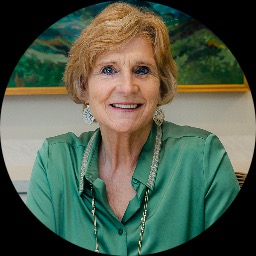
Marie Duncan, LMFT
South Carolina · 25 years in practice
Marie Duncan is a licensed marriage and family therapist with 25 years of experience who helps people facing stress, anxiety, depression, relationship strain, and life transitions.
License and registration
- LMFT, South Carolina
- 4079 · expires August 2027
- NPI
- 1457686958 · national provider identifier
- Years in practice
- 25
- Languages
- English
Details are as listed on the therapist's public professional profile. You can check the license with the issuing state board, and the NPI with the national registry.
About Marie
Marie Duncan is a licensed marriage and family therapist with 25 years of experience who helps people facing stress, anxiety, depression, relationship strain, and life transitions. She speaks plainly and listens closely to understand what matters to each person. Her goal is to help clients find clearer direction and more manageable days.
She offers a straightforward, warm approach that balances practical skills and emotional understanding. Sessions focus on what the client wants to change now - whether that means reducing panic, improving communication, managing caregiving stress, or recovering from trauma.
Background and approach
Marie uses tools from several approaches to fit each person's needs rather than one fixed method. Over her career she has guided many people through grief, compassion fatigue, career shifts, and struggles with self-esteem. She also supports those dealing with intimacy concerns, parenting pressures, aging and geriatric issues, and workplace problems.
Her background includes long-term clinical work in South Carolina and a focus on helping people reconnect with what brings them joy. Marie draws on client-centered therapy to shape sessions around each person's goals. She also uses cognitive behavioral techniques to address unhelpful thinking and behavior, and EMDR to work with trauma when appropriate.
Solution-focused steps are added to build momentum and practical change. Her style is encouraging and realistic. Clients can expect honest feedback, concrete strategies, and room for emotion.
Sessions can include lighthearted moments alongside deeper work to keep progress steady and sustainable.
Focus areas and approaches
Everything Marie lists on their public professional profile, in their own terms.
- Stress, Anxiety
- Relationship issues
- Family conflicts
- Self esteem
- Coping with life changes
- Trauma and abuse
- Grief
- Intimacy-related issues
- Parenting issues
- Career difficulties
- Depression
- Coaching
- Compassion fatigue
- Aging and geriatric issues
- Caregiver issues and stress
- Communication problems
- Control issues
- Family problems
- Forgiveness
- Isolation / loneliness
- Life purpose
- Panic disorder and panic attacks
- Post-traumatic stress
- Self-love
- Social anxiety and phobia
- Women's issues
- Workplace issues
Approaches Marie names
- Eye Movement Desensitization and Reprocessing (EMDR)
- Client-Centered Therapy
- Cognitive Behavioral Therapy (CBT)
- Emotionally-Focused Therapy (EFT)
- Solution-Focused Therapy
Naming an approach is not evidence of training in it. This directory copies what each therapist lists and does not check training records.
Online support
Therapy approaches and how they work online
Client-centered therapy focuses on the person's own goals and experience. The therapist follows the client's lead, offers empathy, and helps clarify what matters most. This approach is useful when someone wants a supportive space to sort feelings and decide next steps.Cognitive Behavioral Therapy, or CBT, looks at how thoughts and behaviors influence mood and stress. It uses concrete exercises and simple skills to reduce anxiety, panic, and depressive patterns. People often work on specific tasks between sessions to build new habits.
Eye Movement Desensitization and Reprocessing, known as EMDR, is used when processing traumatic memories feels stalled. It pairs focused recall with guided bilateral stimulation to help reduce the intensity of distressing memories when the therapist and client decide it is appropriate to try.
Choosing the right approach is a collaborative process. The therapist will talk about options, try techniques together, and adjust based on what helps most. This means sessions can mix listening, skill-building, emotion work, and targeted trauma care as needed.
Online formats - video calls, phone, live chat, or text messaging - make it easier to fit therapy into busy lives. Video is close to an in-person feel for deeper work, phone calls use less bandwidth, chat and text can be good for quick check-ins or shorter coaching-style conversations, and all formats let people connect from wherever they are. The variety supports flexibility and consistent progress.
We will earn a commission if you sign up through our link, at no cost to you. It does not change what you pay or the order of the listings.
Questions people ask
What issues does Marie focus on?
She helps people with stress, anxiety, depression, trauma and abuse, grief, relationship and intimacy concerns, parenting stress, career questions, and compassion fatigue.
What is her therapeutic style like?
Her approach is warm and straightforward, combining listening with practical steps. Sessions aim to set clear goals and build skills clients can use between meetings.
How long has she been practicing?
Marie has 25 years of clinical experience working with adults on a wide range of life and mental health concerns.
What credentials and region are listed?
She holds a Licensed Marriage and Family Therapist credential (LMFT) and practices out of South Carolina.
Which languages are offered and can international clients be seen?
Sessions are offered in English and international clients are not currently accepted.
In what formats are sessions available?
Therapy is offered via video calls, phone sessions, live chat, or text-based messaging to fit different schedules and preferences.
How is cost handled for sessions?
Costs vary by location and therapist availability; sessions use a subscription model that can be canceled at any time.
What should I do to begin working together?
Use the Start Therapy button, complete a short matching questionnaire, and then schedule a session according to the therapist's availability.
More therapists in South Carolina
See allTanya Smith
LPC
Calm, practical support for life’s hard moments
- Stress, Anxiety
- Trauma and abuse
- Anger

Cynthia Byas
LMFT
Practical, collaborative therapy for trauma and relationships
- Stress, Anxiety
- Relationship
- Family

Marianne Matos
LPC
Calm, practical therapy for trauma and stress
- Stress, Anxiety
- Trauma and abuse
- Self esteem

Jane Fortune
LPC
Experienced counselor focused on practical healing
- Stress, Anxiety
- Relationship
- Trauma and abuse
Is this your profile?
Ask us to correct details or take the page down.
Contact us