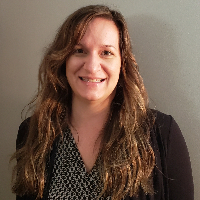
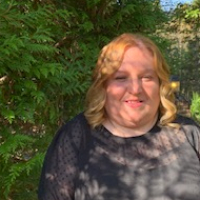
Leslie Gray, LCMHC
North Carolina · 10 years in practice
Leslie Gray is a Licensed Clinical Mental Health Counselor (LCMHC) based in North Carolina.
License and registration
- LCMHC, North Carolina
- 11352 · expires June 2026
- NPI
- 1063820025 · national provider identifier
- Years in practice
- 10
- Languages
- English
Details are as listed on the therapist's public professional profile. You can check the license with the issuing state board, and the NPI with the national registry.
About Leslie
Leslie Gray is a Licensed Clinical Mental Health Counselor (LCMHC) based in North Carolina. She draws on a practical mix of approaches to help people manage addiction, trauma, mood concerns, and life stressors. Leslie keeps sessions focused and people-centered so clients can make steady progress toward their goals.
Leslie has about 10 years of clinical experience, much of it supporting people affected by substance use and related challenges. She has worked with individuals who face anxiety, depression, bipolar disorder, ADHD, and trauma that follows physical, emotional, or verbal abuse or witnessing violence.
Background and approach
She also helps with grief, anger, career stress, and compassion fatigue. Her work often combines an existential outlook with client-centered practices. That means she helps people look for meaning in difficult experiences while centering what each person wants to change.
She also uses Cognitive Behavioral Therapy techniques and elements of Motivational Interviewing to set clear, doable goals. Leslie offers care that balances insight with concrete steps. Sessions may address patterns of thinking, coping skills for stress and cravings, and ways to rebuild confidence after trauma.
EMDR (Eye Movement Desensitization and Reprocessing) is also part of her toolkit for processing traumatic memories when appropriate. People who choose her can expect a straightforward, calm approach that acknowledges strong emotions without asking anyone to rush. She invites clients to name their priorities and works with them to take the next practical steps toward change.
Focus areas and approaches
Everything Leslie lists on their public professional profile, in their own terms.
- Addictions
- Trauma and abuse
- Self esteem
- Coping with life changes
- Stress, Anxiety
- Relationship issues
- Family conflicts
- Grief
- Anger management
- Career difficulties
- Bipolar disorder
- Depression
- Compassion fatigue
- ADHD
- Domestic violence
- Drug and alcohol addiction
Approaches Leslie names
- Eye Movement Desensitization and Reprocessing (EMDR)
- Client-Centered Therapy
- Cognitive Behavioral Therapy (CBT)
- Existential Therapy
- Mindfulness Therapy
- Motivational Interviewing
- Solution-Focused Therapy
Naming an approach is not evidence of training in it. This directory copies what each therapist lists and does not check training records.
Online support
Approaches used online to address trauma and addiction
Leslie uses Client-Centered Therapy to create a respectful, nonjudgmental space where people decide what matters most to them. This approach focuses on listening, reflecting, and supporting each person’s goals rather than imposing solutions.She also uses Cognitive Behavioral Therapy, which looks at the links between thoughts, feelings, and actions. CBT helps people identify unhelpful thinking patterns, practice different responses, and build skills for handling stress, cravings, anxiety, or low mood.
EMDR - Eye Movement Desensitization and Reprocessing - is part of her toolkit for addressing traumatic memories when that fits a person's needs. EMDR aims to reduce the intensity of distress tied to specific memories while the therapist guides the process in step-by-step sessions.
Finding the right mix of approaches is part of the work together. The therapist will help clients choose which methods to try based on their concerns, goals, and how they prefer to work. That collaborative process can change as needs evolve.
Online therapy offers flexibility for people managing busy schedules or geographic limits. Video calls allow face-to-face conversation, phone sessions work well when bandwidth is low, and live chat or text-based messaging can be used for shorter check-ins or ongoing support between sessions. These options make it easier to keep momentum and fit therapy into everyday life.
We will earn a commission if you sign up through our link, at no cost to you. It does not change what you pay or the order of the listings.
Questions people ask
What concerns does Leslie commonly address?
She works with addictions, trauma and abuse, anxiety, depression, bipolar disorder, ADHD, self-esteem, grief, anger, and career or relationship stress.
What is her general therapy style?
Her approach blends client-centered work with an existential perspective and practical techniques from Cognitive Behavioral Therapy.
How much clinical experience does she have?
Leslie has around 10 years of experience working in counseling roles, including substantial work with substance use concerns.
Where is she licensed and practicing?
She holds an LCMHC credential and practices in North Carolina.
What languages are supported and can she work with international clients?
Sessions are offered in English and she is not currently accepting international clients.
Which session formats are available?
She offers video calls, phone sessions, live chat, and text-based messaging for online work.
How does cost and billing work?
Cost varies with location and therapist availability; sessions use a subscription model that can be canceled at any time.
How do I begin working with her?
Select the Start Therapy button, complete a short matching questionnaire, and schedule according to therapist availability.
More therapists in North Carolina
See allMary Kallenbach
LCMHC
Experienced counselor who uses practical therapies
- Stress, Anxiety
- Relationship
- Trauma and abuse
Janet Stone-Nielsen
LCSW
Trauma-informed LCSW focused on practical support
- Stress, Anxiety
- Relationship
- Family
Is this your profile?
Ask us to correct details or take the page down.
Contact us