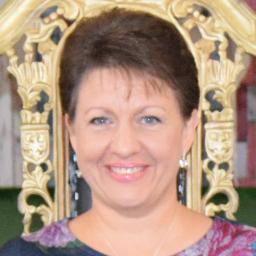
Jurgita Dobiliene, BACP, NCPS
10 years in practice
Jurgita Dobiliene uses EMDR alongside person-centred and emotionally-focused ways of working to help people move through distress.
License and registration
- BACP
- 380638 · expires February 2027
- NCPS
- JD00P08 · expires April 2026
- Years in practice
- 10
- Languages
- English
Details are as listed on the therapist's public professional profile. You can check the registration with the body that granted it.
About Jurgita
Jurgita Dobiliene uses EMDR alongside person-centred and emotionally-focused ways of working to help people move through distress. She draws on ten years of experience and mixes practical talking, paced exercises, and mindfulness to help clients manage stress, anxiety, grief and depression. Jurgita is based in the United Kingdom and holds BACP and NCPS credentials.
She begins by listening to what is happening now and what feels most urgent. Sessions often start with simple grounding and breathing techniques to ease strong feelings.
Background and approach
From there she helps people notice patterns - for example overthinking, trouble sleeping, or feeling stuck - and tries small changes that can be practised between sessions. Trauma and abuse, relationship concerns, parenting stress, anger and self-esteem are among the issues she supports.
She also works with people facing long-term health challenges such as chronic pain, cancer or caregiving strain, and with those adjusting to major life changes or midlife crisis. EMDR is part of her toolkit and may be used alongside emotionally-focused and client-centred methods when it fits the person’s needs.
Mindfulness exercises and compassionate approaches are used to reduce reactivity and build tolerance for difficult memories and feelings. Her background in oncology nursing informed the move into counselling and created an interest in offering practical emotional support during illness and end-of-life care. Jurgita aims to create a calm, straightforward space where people can talk things through at their own pace.
Focus areas and approaches
Everything Jurgita lists on their public professional profile, in their own terms.
- Stress, Anxiety
- Grief
- Depression
- Relationship issues
- Trauma and abuse
- Parenting issues
- Anger management
- Self esteem
- Career difficulties
- Coping with life changes
- Compassion fatigue
- ADHD
- Cancer
- Caregiver issues and stress
- Chronic pain, illness, and disability
- Family problems
- Hospice and end-of-life counseling
- Midlife crisis
- Phobias
Approaches Jurgita names
- Eye Movement Desensitization and Reprocessing (EMDR)
- Client-Centered Therapy
- Emotionally-Focused Therapy (EFT)
- Mindfulness Therapy
Naming an approach is not evidence of training in it. This directory copies what each therapist lists and does not check training records.
Online support
How EMDR, EFT and Client-Centred Work Online Helps
EMDR is used to reduce the intensity of distressing memories by guiding attention while talking through experiences, which can help when trauma or abuse is part of the picture. Emotionally-Focused Therapy focuses on how feelings shape relationships and internal responses, helping people name painful emotions and shift unhelpful interaction patterns. Client-centred work prioritises the person’s own pace and perspective, offering a listening space where ideas and coping strategies grow from the client’s needs.Choosing an approach is a collaborative step. The therapist will discuss goals, try approaches that fit your situation, and adapt methods as progress is made. That might mean combining gentle mindfulness with EMDR-informed activities or focussing on emotion work when relationship or attachment issues arise.
Online sessions make these methods accessible from different locations. Video calls are useful for in-depth conversation and visual connection, phone sessions suit people with lower bandwidth or who prefer not to be on camera, and live chat or text-based messaging work for brief check-ins or when typing feels easier. These options allow therapy to fit around work, caregiving or health needs and give practical flexibility for continuing care.
We will earn a commission if you sign up through our link, at no cost to you. It does not change what you pay or the order of the listings.
Questions people ask
What kinds of problems does she help with?
She supports people with stress, anxiety, grief, depression, trauma and abuse, relationship worries, parenting stress, anger and low self-esteem. Additional areas include chronic illness, cancer, caregiver stress, phobias and career concerns.
What is her therapeutic style like?
Her style is collaborative and practical, combining person-centred listening with emotionally-focused work, mindfulness and paced exercises. She often uses talking alongside techniques to reduce emotional overwhelm.
How much clinical experience does she have?
She has ten years of experience, including a background in oncology nursing that shaped her interest in psychological support for illness and end-of-life issues.
What credentials does she hold and where is she based?
She holds BACP and NCPS credentials and practises from the United Kingdom.
Can I have sessions in other languages or from outside the UK?
Sessions are offered in English. International clients are not currently accepted.
Which session formats are available?
She offers video calls, phone sessions, live chat and text-based messaging to suit different needs and schedules.
How are sessions paid for and what do they cost?
Costs vary with location and therapist availability; sessions run on a subscription model that can be cancelled at any time.
What do I need to do to begin therapy?
Start by selecting the Start Therapy button, complete a short matching questionnaire, and then schedule sessions according to the therapist's availability.
Is this your profile?
Ask us to correct details or take the page down.
Contact us