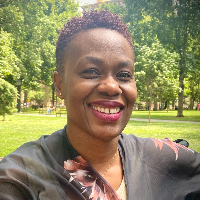
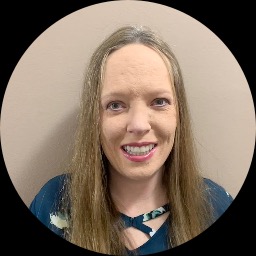
Valerie Keller Gates
LPC
Compassionate counselor focused on practical change
- Stress, Anxiety
- Relationship
- Grief
Clinical social work directory
44 therapists in this directory hold a licence issued in Oklahoma and name EMDR among their approaches. Sessions are online; a US therapist can usually only see people in a state where they hold a licence, so check the credentials panel on each profile.
Welcome to our directory of online therapists serving Oklahoma. All therapists listed here are licensed in Oklahoma; explore the profiles to review practice approaches, credentials, languages, and experience.
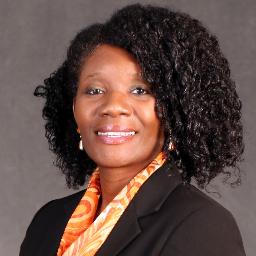
LPC
Compassionate counselor focused on practical change
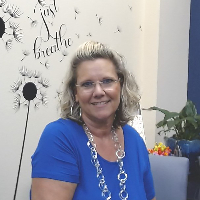
LPC
Calm, practical support for stress and trauma
LPC
Compassionate, practical counseling for life change
LMFT
Compassionate, practical therapy for life challenges
LMFT
Practical, strengths-based therapy for everyday struggles
LPC
Compassionate counselor focused on trauma recovery
LCSW
Warm LCSW helping people navigate trauma and stress
LCSW, CSW
Practical, trauma-informed clinical social worker
LPC
Collaborative, practical therapy for trauma and life change
LPC
Practical therapy for anxiety and trauma recovery
LPC
Calm, practical support for life’s struggles
LCMHC, LPC
Therapy focused on healing and practical change
LPC, LCPC
Compassionate, steady care for mood and trauma
LPC
Calm, practical therapy for life’s big challenges
LPC
Calm guidance for stress, trauma, and life changes
LCSW
Compassionate, practical psychotherapy for everyday challenges
LCSW
Compassionate, practical care for trauma and relationships
LMFT
Practical, trauma-informed therapy for everyday life
LPC
Compassionate counselor using practical trauma tools
LCSW
Compassionate trauma-informed therapy for life challenges
LCSW
Practical, compassionate support for emotional growth
LCMHC, LMHC
Compassionate trauma-informed care focused on growth
LPC
Practical strategies for stress and trauma recovery
LPC
Compassionate, experienced counselor for trauma and life stress
LPC
Practical, goal-focused counseling with EMDR options
LPC
Calm, practical therapy for life’s challenges
LPC
Trauma-aware counselor focused on practical change
LPC
Compassionate counseling for stress and addiction
LPC
Practical, steady therapy for trauma and stress
LCSW
Practical, strengths-focused therapy in Oklahoma
LPC
Compassionate, practical therapy for everyday struggles
LCSW
Compassionate, practical therapy for anxiety and change
LCSW
Trauma-informed, practical therapy for everyday life
LPC
Practical, brain-informed therapy for lasting change
LPC
Practical, collaborative care for trauma and stress
LPC
Compassionate, practical counseling for complex struggles
Some links on this page are partner links. We will earn a commission if you sign up through one, at no cost to you. It does not change what you pay or the order of the listings.
Online therapy in Oklahoma connects you with licensed mental health professionals who provide counseling through video, phone, or messaging tools. The practice of therapy via remote methods has become a regular part of how people access care, especially when in-person options are less convenient. In Oklahoma, therapists operate under the state’s professional regulations and must be licensed to list themselves in directories. That means the professionals you see here have met the licensure requirements for their discipline and list the approaches they use, such as EMDR among other modalities.
Technically, online therapy typically involves scheduled sessions where you and a clinician meet over a video link or phone call, with written exchanges sometimes supplementing live sessions. Many therapists aim to replicate the structure of an in-person appointment while adapting communication styles for a remote format. You should expect to find details in a profile about how a clinician conducts sessions, what communication channels they use, and which populations or issues they commonly support.
If you live in a small town, work irregular hours, or have mobility constraints, online therapy can reduce practical barriers to getting help. You do not need to travel long distances to meet a clinician, which can save time and reduce stress related to transportation. For people balancing family responsibilities or shift work, the flexibility of remote sessions can make it easier to fit mental health care into a busy life.
Online therapy can also broaden the pool of clinicians you can choose from, allowing you to find someone with experience in specific issues or who speaks your preferred language. Many clients find that being able to meet from a comfortable environment helps them engage more openly with the therapeutic process. You should plan for a quiet, distraction-free place for sessions and a reliable internet connection if you opt for video-based meetings. It is also helpful to ask a prospective therapist about their protocols for handling technical interruptions and how they support continuity of care during transitions in circumstances.
Online therapists in Oklahoma support a wide range of emotional and behavioral concerns. People often seek therapists for stress, anxiety, low mood, grief, relationship difficulties, and life transitions such as parenthood or job change. Therapists also frequently work with trauma-related symptoms, offering approaches that some clinicians list as EMDR among their methods. You can find practitioners who describe experience with grief, post-traumatic responses, and adaptive strategies for navigating intense emotions.
Beyond mood and trauma, online clinicians often assist with chronic illness adjustment, caregiving stress, substance-related difficulties, and workplace burnout. Some therapists focus on family dynamics or couples work that translates to remote sessions, using structured conversations and skill-building exercises adapted for virtual interaction. If you have a specific concern, look for profiles that describe relevant experience and approaches so you can feel confident that the clinician mentions work similar to what you want to address.
Verifying a therapist’s license helps you confirm that they are authorized to practice in Oklahoma. Start by using the online license lookup tools maintained by Oklahoma’s licensing authorities for different professions - counselors, social workers, psychologists, and marriage and family therapists typically have searchable databases. These tools usually allow you to enter a clinician’s name or license number to check current status, expiration dates, and any recorded disciplinary actions. A profile in this directory will usually list a license type and number you can use for confirmation.
If the online lookup raises questions or you want additional information, contact the appropriate state board directly by phone or email. Boards can explain the scope of a license, recent changes to licensure rules, and how to read any public records. You may also review a clinician’s education and professional background by looking at their resume or professional biography, which can provide context about the populations and issues they mention in their profile. Remember that a profile listing certain approaches indicates what the clinician reports using in practice; it does not by itself attest to a particular certification status unless the clinician explicitly lists a credential and you verify it through the appropriate credentialing body.
Begin by clarifying what you hope to achieve in therapy. Having a sense of your goals makes it easier to identify clinicians who describe relevant experience and methods. Use directory filters to narrow profiles by credentials, languages spoken, and therapeutic approaches. Read biographies and approach descriptions to learn how a therapist frames their work and who they typically support. Profiles often mention population focus, such as working with adolescents, veterans, couples, or perinatal clients, which can help you find someone whose experience aligns with your needs.
When you contact a therapist, prepare a few questions about their approach to treatment, session length, fees, and how they handle records and documentation. It is also appropriate to ask how they incorporate specific methods that interest you, including whether they list EMDR among their approaches, and how that technique might be used within the course of remote sessions. Ask about language options and cultural competence if those factors are important to you. Be sure to note whether a therapist accepts your insurance or offers other payment arrangements; payment policies are an operational detail you should clarify before beginning.
For your first session, plan to describe your history and current concerns, and to ask how the therapist sets goals and measures progress. Pay attention to how you feel during an initial meeting - rapport and a sense of being heard are important. It is normal to have an adjustment period as you move into remote care, so discuss with the clinician how sessions will be structured and what you can expect between meetings, if anything. Finally, have a basic plan for emergencies or crisis situations by asking the clinician how they advise clients to proceed if urgent help is needed while using remote services. Knowing how such scenarios are handled can give you confidence in the logistical aspects of online care.
Choosing a therapist is a personal decision and sometimes requires a few conversations to assess fit. You may find that a clinician’s listed approaches, language skills, and experience align well with your needs. If not, it is reasonable to continue searching until you find someone who feels like a good match. Use each interaction to learn more about how a therapist works and whether their style supports the progress you want to make. With time and clear goals, online therapy can be a practical way to receive ongoing support from licensed professionals who list a range of therapeutic approaches.