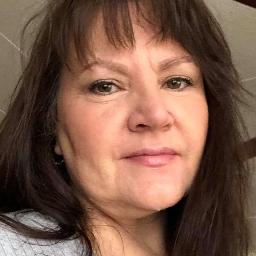
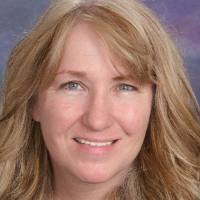
Shirley Butler, LCSW
Montana · 23 years in practice
Shirley Butler is a Licensed Clinical Social Worker with 23 years of experience in mental health.
License and registration
- LCSW, Montana
- BBH-LCSW-LIC-815 · expires December 2026
- NPI
- 1619151669 · national provider identifier
- Years in practice
- 23
- Languages
- English
Details are as listed on the therapist's public professional profile. You can check the license with the issuing state board, and the NPI with the national registry.
About Shirley
Shirley Butler is a Licensed Clinical Social Worker with 23 years of experience in mental health. She practiced in community mental health and Tribal Behavioral Health before opening a independent practice in 2013. Shirley brings a steady, curious presence to sessions and values learning about each person's background and culture.
She earned a Bachelor degree in Human Services Rehabilitation from Salish Kootenai College and a Master of Social Work from Walla Walla University in Missoula, Montana.
Background and approach
After graduate school she completed three thousand supervised clinical hours prior to qualifying for her clinical license. Those years included crisis on-call work and office-based care, which shaped her calm approach to high-stress situations. Shirley uses a mix of approaches to fit the person in front of her.
She draws on attachment-based ideas to look at how relationships affect feelings. She uses client-centered methods to follow each person's priorities. She also includes cognitive behavioral tools and elements from dialectical behavior and emotionally-focused therapies when they help move work forward.
She has experience engaging with trauma and post-traumatic stress and incorporates Eye Movement Desensitization and Reprocessing (EMDR) in cases where it is appropriate. Shirley favors building rapport first, then creating a collaborative treatment plan tailored to specific concerns. Her style is straightforward and respectful.
She believes telling one’s story is an important part of healing and aims to work with clients at a pace that feels right for them. Sessions are offered from her Montana practice and remotely for people who prefer online work.
Focus areas and approaches
Everything Shirley lists on their public professional profile, in their own terms.
- Stress, Anxiety
- Trauma and abuse
- Self esteem
- Depression
- Coping with life changes
- Relationship issues
- Family conflicts
- Grief
- Parenting issues
- Anger management
- Career difficulties
- Bipolar disorder
- Abandonment
- Codependency
- Commitment issues
- Communication problems
- Forgiveness
- Post-traumatic stress
- Self-love
- Women's issues
Approaches Shirley names
- Eye Movement Desensitization and Reprocessing (EMDR)
- Attachment-Based Therapy
- Client-Centered Therapy
- Cognitive Behavioral Therapy (CBT)
- Dialectical Behavior Therapy (DBT)
- Emotionally-Focused Therapy (EFT)
- Mindfulness Therapy
- Motivational Interviewing
- Solution-Focused Therapy
- Trauma-Focused Therapy
Naming an approach is not evidence of training in it. This directory copies what each therapist lists and does not check training records.
Online support
Approaches that guide online work and what they do
Shirley often draws on attachment-based ideas to look at how early and current relationships shape feelings and behavior. This approach helps when people want to understand why they react strongly in close relationships and how to build safer connections.She also uses client-centered therapy, which means sessions follow the client's priorities and pace. That approach emphasizes listening, validation, and helping people name what they want to change or understand.
Finding the right approach is part of the work. Shirley collaborates with each person to decide which methods fit their needs and goals. She may combine tools from cognitive behavioral and dialectical methods when practical skills like emotion regulation or changing patterns of thinking are helpful.
Online therapy offers flexibility across multiple formats. Video calls are useful for face-to-face conversation and visual cues. Phone sessions work well when bandwidth is limited or a shorter check-in fits a busy day. Live chat and text-based messaging can support ongoing processing between longer sessions and permit brief check-ins or homework discussion.
These remote options make it easier to schedule sessions from different places and at different rhythms. Shirley tailors the format to what will best support the goals you set together.
We will earn a commission if you sign up through our link, at no cost to you. It does not change what you pay or the order of the listings.
Questions people ask
What concerns does Shirley address?
She works with stress, anxiety, depression, trauma and abuse, self-esteem, grief, anger, career issues, bipolar concerns, parenting stress, and relationship and family difficulties.
What is her general therapeutic style?
Her style is client-centered and collaborative. She focuses on building rapport, listening to each person's story, and creating a tailored plan together.
How much clinical experience does she have?
She has practiced in mental health for 23 years, including community mental health and Tribal Behavioral Health, and has run a independent practice since 2013.
What are her credentials and location?
She holds the LCSW credential and operates from Montana.
Can sessions be conducted in other languages or internationally?
Sessions are offered in English, and she accepts international clients.
Which session formats are available?
Shirley offers video calls, phone sessions, live chat, and text-based messaging to fit different needs and schedules.
How are sessions paid for and what do costs look like?
Sessions use a subscription model that can be canceled at any time; actual cost varies with location and therapist availability.
How do I begin working with her?
Start by selecting the Start Therapy button, complete a short matching questionnaire, and schedule according to therapist availability.
More therapists in Montana
See allSydney Blair
LCSW
Experienced LCSW helping practical emotional change
- Stress, Anxiety
- Relationship
- Self esteem
Lawrence "Lance" Bischoff
LCPC
Direct, practical therapy for everyday challenges
- Stress, Anxiety
- Relationship
- Self esteem
Kasey Anderson
LPC, LCPC
Calm, practical therapy for life’s toughest moments
- Stress, Anxiety
- Relationship
- Family
Karen Galvin
LCPC
Helping people navigate stress and relationships
- Stress, Anxiety
- Relationship
- Trauma and abuse
Is this your profile?
Ask us to correct details or take the page down.
Contact us