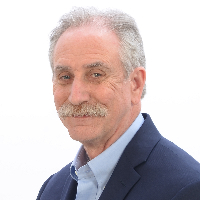
Michael Gusack, LPC, LMHC
Colorado · 41 years in practice
Michael Gusack helps people manage stress, anxiety, trauma, grief, and struggles with self-esteem.
License and registration
- LPC, Colorado
- 0015851 · expires August 2027
- LMHC, Florida
- MH2889 · expires March 2027
- NPI
- 1548285158 · national provider identifier
- Years in practice
- 41
- Languages
- English
Details are as listed on the therapist's public professional profile. You can check the license with the issuing state board, and the NPI with the national registry.
About Michael
Michael Gusack helps people manage stress, anxiety, trauma, grief, and struggles with self-esteem. He works with depression, addictions, sleeping problems, anger, bipolar disorder, and life changes. Michael also supports those facing compassion fatigue, coaching needs, and challenges tied to chronic illness or aging.
He brings 41 years of clinical experience to sessions and holds LPC and LMHC credentials. Michael writes plainly and keeps sessions practical. He focuses on skills people can use between meetings to feel more capable in daily life.
Background and approach
His style is relaxed and down-to-earth. He uses clear explanation, step-by-step tools, and breathing or mindfulness exercises when helpful. Conversations are aimed at identifying small changes that add up to real improvement.
Michael draws from cognitive behavioral ideas, acceptance and commitment approaches, client-centered work, EMDR, and hypnotherapy to shape a plan for each person. He tailors techniques to what fits an individual rather than applying one fixed method. Many people come for help with long-term illness, chronic pain, or life transitions.
Michael offers practical strategies for coping, pacing activity, and managing mood. He emphasizes usable skills that support creative confidence and a more satisfying daily routine. To get started he invites people to describe their main concern and current struggles.
From there he outlines a simple path forward and focuses on clear, measurable steps toward feeling better.
Focus areas and approaches
Everything Michael lists on their public professional profile, in their own terms.
- Stress, Anxiety
- Trauma and abuse
- Grief
- Self esteem
- Depression
- Addictions
- Relationship issues
- Sleeping disorders
- Anger management
- Bipolar disorder
- Coping with life changes
- Coaching
- Compassion fatigue
- Aging and geriatric issues
- Cancer
- Chronic pain, illness, and disability
- Codependency
- Forgiveness
- Hearing impaired
- Life purpose
- Panic disorder and panic attacks
- Phobias
- Post-traumatic stress
Approaches Michael names
- Eye Movement Desensitization and Reprocessing (EMDR)
- Acceptance and Commitment Therapy (ACT)
- Client-Centered Therapy
- Cognitive Behavioral Therapy (CBT)
- Hypnotherapy
- Mindfulness Therapy
- Psychodynamic Therapy
- Solution-Focused Therapy
- Trauma-Focused Therapy
Naming an approach is not evidence of training in it. This directory copies what each therapist lists and does not check training records.
Online support
Approaches That Translate Well to Online Therapy
Acceptance and Commitment Therapy (ACT) encourages people to notice thoughts and feelings without getting stuck in them, then clarify values and commit to small actions that matter. It can help with anxiety, depression, and major life changes by shifting attention toward meaningful behavior. Cognitive Behavioral Therapy (CBT) focuses on identifying unhelpful thoughts and testing them with practical experiments and behavior changes, which is useful for anxiety, panic, phobias, and sleeping problems. Eye Movement Desensitization and Reprocessing (EMDR) is aimed at reducing the emotional charge of traumatic memories by using structured processing steps and bilateral stimulation to support reprocessing.Choosing an approach is a collaborative process. The therapist will talk with the person about current struggles, goals, and preferences, then recommend methods that fit. Plans can blend techniques so the work matches what the person needs and can practice between sessions.
Online sessions offer real flexibility. Video calls allow face-to-face conversation and guided exercises, phone sessions work well when bandwidth is limited or a quieter check-in is needed, live chat can suit brief updates, and text-based messaging helps people keep momentum between meetings. These options make it easier to fit therapy around work, health limitations, or a busy schedule while maintaining regular progress.
We will earn a commission if you sign up through our link, at no cost to you. It does not change what you pay or the order of the listings.
Questions people ask
What kinds of problems does Michael help with?
He supports people facing stress, anxiety, trauma and abuse, grief, low self-esteem, depression, addictions, sleeping issues, anger, bipolar disorder, and coping with life changes.
How would you describe his therapeutic approach?
He uses a practical, relaxed style that focuses on concrete skills and step-by-step tools drawn from CBT, acceptance and commitment ideas, client-centered work, EMDR, and hypnotherapy.
What experience does he bring to therapy?
He has 41 years of clinical experience and is a published author who emphasizes usable strategies for daily life.
Where is he licensed and based?
He holds LPC and LMHC credentials and is located in Colorado with licensure noted as CO LPC and FL LMHC.
Which languages are supported for sessions?
Sessions are offered in English.
Can people outside the U.S. work with him?
International clients are not currently accepted.
What session formats are available online?
He offers video calls, phone sessions, live chat, and text-based messaging to fit different schedules and needs.
How do fees and getting started work?
Cost varies with location and therapist availability and uses a subscription that can be canceled at any time. To begin, select the Start Therapy button, complete a short matching questionnaire, and schedule according to therapist availability.
More therapists in Colorado
See allJai Pitre
LCSW, CSW
Connecting strengths with steady change
- Stress, Anxiety
- Trauma and abuse
- Self esteem

June Santon
LPC
Compassionate, practical counseling for life changes
- Stress, Anxiety
- Addictions
- Trauma and abuse
Kelley Sullivan
LCSW
Experienced LCSW focused on trauma and relationships
- Stress, Anxiety
- Relationship
- Trauma and abuse

Kenneth Mowery
LPC
Person-centered therapist informed by neuroscience
- Stress, Anxiety
- Relationship
- Trauma and abuse
Is this your profile?
Ask us to correct details or take the page down.
Contact us