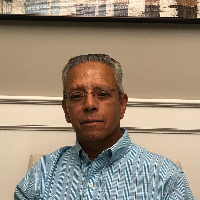
John Llauget, LMHC
Florida · 39 years in practice
John Llauget is a Florida licensed mental health counselor with 39 years of experience helping people manage stress, anxiety, grief, depression, addiction, and trauma.
License and registration
- LMHC, Florida
- MH1494 · expires March 2027
- NPI
- 1275151433 · national provider identifier
- Years in practice
- 39
- Languages
- English
Details are as listed on the therapist's public professional profile. You can check the license with the issuing state board, and the NPI with the national registry.
About John
John Llauget is a Florida licensed mental health counselor with 39 years of experience helping people manage stress, anxiety, grief, depression, addiction, and trauma. He uses straightforward talk and practical skills to help people feel steadier. He often blends talk therapy with mindfulness and behavioral tools to address daily struggles and intense emotions.
He earned a master’s degree in clinical psychology and an educational specialist degree, then began a long career in mental health that started in 1977.
Background and approach
Early work included psychiatric hospital care and outpatient settings. Over the years he has held roles as an employee assistance counselor, school counselor, college instructor, and court evaluator. For the past two decades he focused on supporting people affected by cancer, offering help with illness-related stress and emotional strain.
He has also worked with chronic pain, caregiver stress, and disability-related concerns. He brings those experiences into conversations about coping and resilience. John favors getting to know each person before suggesting specific strategies.
Sessions typically include teaching concrete tools for managing stress, mood, sleep, and anger. He combines client-centered listening with cognitive behavioral techniques and mindfulness practices. He also uses Eye Movement Desensitization and Reprocessing, commonly called EMDR, when trauma memories play a role in a person’s distress.
Outside the therapy room he has taught meditation, qigong, and martial arts practices that inform his emphasis on self-control and self-esteem. John values patience, compassion, and persistence when working toward change. He aims to make sessions practical so people leave with usable steps for their day-to-day lives.
Focus areas and approaches
Everything John lists on their public professional profile, in their own terms.
- Stress, Anxiety
- Addictions
- Trauma and abuse
- Grief
- Depression
- Relationship issues
- Intimacy-related issues
- Sleeping disorders
- Parenting issues
- Anger management
- Self esteem
- Career difficulties
- Bipolar disorder
- Coping with life changes
- ADHD
- Cancer
- Caregiver issues and stress
- Chronic pain, illness, and disability
Approaches John names
- Eye Movement Desensitization and Reprocessing (EMDR)
- Client-Centered Therapy
- Cognitive Behavioral Therapy (CBT)
- Mindfulness Therapy
Naming an approach is not evidence of training in it. This directory copies what each therapist lists and does not check training records.
Online support
Approaches that translate to online sessions
Client-centered therapy focuses on the person’s experience and priorities. The therapist listens closely, reflects what he hears, and collaborates on goals. This approach helps when someone needs a space to sort feelings and decide what to change.Cognitive Behavioral Therapy, or CBT, breaks problems into thoughts, feelings, and actions. It teaches specific exercises and homework to change unhelpful patterns, which works well for anxiety, depression, sleep issues, and anger. EMDR, when used, is a trauma-focused method that helps reduce distress linked to upsetting memories through guided processing and structured steps.
Finding the right approach is a team effort. The therapist will talk with the client about goals, try methods that fit their needs, and adjust based on what is helpful. That collaborative process helps shape a plan that feels practical and realistic.
Online sessions are offered by video call, phone, live chat, or text-based messaging to increase flexibility. Video is useful for full conversations and exercises that need visual cues, while phone sessions can be easier when bandwidth is limited. Live chat or text messaging work well for brief check-ins, quick skill practice, or when scheduling makes real-time sessions difficult. These options make it easier to fit therapy into work, caregiving, or treatment schedules and still use the same therapeutic approaches described above.
We will earn a commission if you sign up through our link, at no cost to you. It does not change what you pay or the order of the listings.
Questions people ask
What concerns does John commonly address?
He helps people with stress, anxiety, depression, trauma and abuse, grief, addiction, sleep problems, anger, self-esteem, relationship and intimacy-related issues, ADHD, bipolar concerns, career stress, and coping with life changes. He also focuses on cancer-related distress, caregiver issues, and chronic pain or illness.
What is his overall therapy style like?
He uses a client-centered approach that emphasizes listening first and then teaching practical tools. Sessions mix talk, behavioral strategies, and mindfulness exercises to address daily challenges.
How long has he worked in mental health?
John has 39 years of experience in mental health, including work in hospitals, community outpatient settings, employee assistance programs, schools, and oncology counseling over the last 20 years.
What credentials and region are listed for John?
He is a Florida licensed mental health counselor listed as FL LMHC and practices from Florida.
Which languages are available for sessions?
Sessions are offered in English and he also accepts international clients.
In what formats are sessions offered?
He offers video calls, phone sessions, live chat, and text-based messaging to suit different schedules and preferences.
How is cost handled for sessions?
Cost varies with location and therapist availability; sessions use a subscription model that can be canceled at any time.
What do I do to begin working with him?
Click the Start Therapy button, complete a short matching questionnaire, and then schedule sessions according to the therapist's availability.
More therapists in Florida
See allSteven Brashear
LMHC
Practical, values-focused trauma and anxiety help
- Stress, Anxiety
- Trauma and abuse
- Grief

Debra Matthews-Robinson
LCSW
Calm guidance for life’s hardest moments
- Stress, Anxiety
- Addictions
- Grief
Daniele Trevathan
LMHC
Practical skills for anxiety and trauma recovery
- Stress, Anxiety
- Addictions
- Trauma and abuse
Is this your profile?
Ask us to correct details or take the page down.
Contact us