
Andrew Jerusik, LPC, LIMHP
Colorado · 29 years in practice
Andrew Jerusik is a licensed counselor who helps people work through relationship and intimacy-related issues.
License and registration
- LPC, Colorado
- LPC.0004150 · expires August 2027
- LIMHP, Nebraska
- 3794 · expires September 2026
- NPI
- 1750567202 · national provider identifier
- Years in practice
- 29
- Languages
- English
Details are as listed on the therapist's public professional profile. You can check the license with the issuing state board, and the NPI with the national registry.
About Andrew
Andrew Jerusik is a licensed counselor who helps people work through relationship and intimacy-related issues. He focuses on concerns like communication problems, attachment and abandonment worries, and feelings of guilt, shame, or isolation. He aims to make the first step feel manageable for someone considering therapy.
Jerusik works in a straightforward, respectful way. He treats clients as experts on their own stories and looks for strengths to build on. Sessions are practical and goal-focused, with room for exploring emotions and patterns that get in the way of connection.
Background and approach
He draws on approaches such as Cognitive Behavioral Therapy to address unhelpful thoughts and behaviors. He also uses Dialectical Behavior Therapy skills to help with emotion regulation and distress tolerance. EMDR is part of his toolkit when past experiences are keeping someone stuck.
Andrew brings 29 years of professional experience to his work in Colorado. He balances structured techniques with listening and reflection. The result is an approach that blends skill-building with attention to the stories behind relationship struggles.
People can expect clear steps in sessions, like practicing new communication habits, working through painful memories, or learning strategies to reduce panic and social anxiety. He encourages steady progress and adjusts methods to fit each person’s needs. Appointments are available through online formats or phone and include options for brief check-ins by text or live chat.
Andrew speaks English and offers sessions under his Colorado licensure as LPC and Nebraska licensure as LIMHP.
Focus areas and approaches
Everything Andrew lists on their public professional profile, in their own terms.
- Relationship issues
- Intimacy-related issues
- Abandonment
- Attachment issues
- Communication problems
- Forgiveness
- Guilt and shame
- Isolation / loneliness
- Men's issues
- Mood disorders
- Panic disorder and panic attacks
- Self-love
- Social anxiety and phobia
Approaches Andrew names
- Eye Movement Desensitization and Reprocessing (EMDR)
- Cognitive Behavioral Therapy (CBT)
- Dialectical Behavior Therapy (DBT)
- Gottman Method
Naming an approach is not evidence of training in it. This directory copies what each therapist lists and does not check training records.
Online support
Evidence-informed approaches for online relationship work
CBT, or Cognitive Behavioral Therapy, focuses on identifying and changing unhelpful thoughts and behaviors. It is useful for mood concerns, panic, and social anxiety by teaching practical skills to shift reactions and build new habits.DBT, or Dialectical Behavior Therapy, emphasizes emotion regulation, distress tolerance, and better interpersonal effectiveness. These skills help people manage intense feelings, reduce reactive behaviors, and improve communication in relationships.
EMDR is used when past events continue to affect present-day relationships and emotional responses. It involves processing memories and sensations so they have less control over current reactions.
Choosing the right approach is a collaborative process. The therapist will discuss goals, preferences, and what feels most useful, then tailor methods to match each person's needs. This helps ensure sessions focus on practical steps and measurable progress.
Online therapy offers several practical benefits. Video calls allow face-to-face interaction and role-play for communication practice. Phone sessions need less bandwidth and can fit into a short break. Live chat and text-based messaging are handy for brief check-ins, ongoing skill practice, or when writing feels easier than speaking. These formats make it easier to keep therapy consistent around busy schedules and geographic limits.
We will earn a commission if you sign up through our link, at no cost to you. It does not change what you pay or the order of the listings.
Questions people ask
What concerns does this therapist help with?
He supports people facing relationship and intimacy-related issues, including attachment, abandonment, communication problems, and feelings of isolation or shame.
How would you describe his therapeutic style?
His style is direct and respectful, combining listening with clear steps and skill practice to address emotions and interaction patterns.
What is his professional background?
He has 29 years of professional experience working with stress, anxiety, relationship concerns, and anger management.
What credentials and location are listed?
He is an LPC (Licensed Professional Counselor) in Colorado and a LIMHP (Licensed Independent Mental Health Practitioner) in Nebraska and practices from Colorado.
In which languages can sessions be held?
Sessions are offered in English.
What session formats are available online?
Sessions can be held by video call, phone, live chat, or text-based messaging for flexible engagement.
How does payment and cost work?
Cost varies with location and therapist availability; sessions use a subscription model that can be canceled at any time.
How do I begin working with him?
Start by selecting the Start Therapy button, complete a short matching questionnaire, and then schedule according to the therapist's availability.
More therapists in Colorado
See allJai Pitre
LCSW, CSW
Connecting strengths with steady change
- Stress, Anxiety
- Trauma and abuse
- Self esteem

June Santon
LPC
Compassionate, practical counseling for life changes
- Stress, Anxiety
- Addictions
- Trauma and abuse
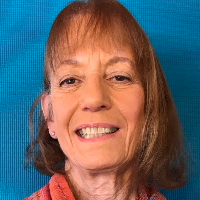
Kelley Sullivan
LCSW
Experienced LCSW focused on trauma and relationships
- Stress, Anxiety
- Relationship
- Trauma and abuse

Kenneth Mowery
LPC
Person-centered therapist informed by neuroscience
- Stress, Anxiety
- Relationship
- Trauma and abuse

Is this your profile?
Ask us to correct details or take the page down.
Contact us