Clinical social work directory
Therapists in Pennsylvania
53 therapists in this directory hold a licence issued in Pennsylvania and name EMDR among their approaches. Sessions are online; a US therapist can usually only see people in a state where they hold a licence, so check the credentials panel on each profile.
Welcome to the Pennsylvania listing for online therapists. All therapists shown here are licensed in Pennsylvania and many list EMDR among their approaches. Explore profiles to review approaches, credentials, languages, and practice focus areas to find a therapist who fits your needs.

Constance Moody
LPC
Practical therapy for stress and addiction recovery
- Stress, Anxiety
- Addictions
- Depression

Susan Lockard
LPC
Compassionate, practical therapy for life’s storms
- Stress, Anxiety
- Trauma and abuse
- Self esteem





John Michalowski
LCSW
Experienced LCSW focused on practical care
- Stress, Anxiety
- Trauma and abuse
- Depression

Dhanapati Neopaney
LCSW
Helping people move past stress and trauma
- Stress, Anxiety
- Relationship
- Trauma and abuse

Charles Tyson
LICSW, LCSW
Practical, direct therapy for lifes hard moments
- Stress, Anxiety
- Addictions
- LGBT

Marcie Stover Jividen
LCSW
Supportive clinical social worker with 23 years experience
- Stress, Anxiety
- Trauma and abuse
- Parenting


Philicia Barbieri
LMHC, LPC
Calm, trauma-focused therapy with practical tools
- Stress, Anxiety
- Addictions
- Trauma and abuse



Samantha Prince
LPC
Hopeful guidance for anxiety and addiction recovery
- Stress, Anxiety
- Addictions
- Relationship

Alanna Higgins
LCSW
Gentle, practical therapy for everyday struggles
- Stress, Anxiety
- Self esteem
- Career


Margot Myers
LCSW, LISW-CP
Calm, practical therapy for life’s tough moments
- Stress, Anxiety
- Trauma and abuse
- Career

Kolbe Gray
LPC
Compassionate, practical support for daily challenges
- Stress, Anxiety
- Addictions
- Self esteem

Alayne Holland
MD, LCSW-C, LCSW
Compassionate, practical care for trauma and stress
- Stress, Anxiety
- Trauma and abuse
- Self esteem

Barbara Chopyk
LCSW
Compassionate, practical therapy for trauma and stress
- Stress, Anxiety
- Trauma and abuse
- Self esteem

Avis Moorehead
LCSW
Practical, trauma-informed therapy with listening
- Stress, Anxiety
- Trauma and abuse
- Grief

Dr. Philip Grimes
LPC
Compassionate counselor for mood and trauma concerns
- Stress, Anxiety
- Addictions
- Grief

Teresa McCarthy
LPC
Compassionate counselor with trauma-informed care
- Stress, Anxiety
- Trauma and abuse
- Self esteem
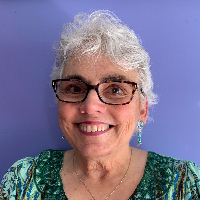
Caminy Curry
LPC
Compassionate counselor focused on practical coping
- Stress, Anxiety
- Relationship
- Family

Kathleen Martello
LPC, LPCC
Warm, practical counseling for healing and direction
- Trauma and abuse
- Self esteem
- Career

Michelle Zehner
LCSW, MD, LCSW-C
Practical, compassionate care for trauma and stress
- Stress, Anxiety
- Trauma and abuse
- Self esteem

Teresa Villbrandt
LPC
Practical, trauma-informed counseling for life transitions
- Stress, Anxiety
- Trauma and abuse
- Parenting

Matthew Menard
LPC
Practical counselor for stress and trauma
- Stress, Anxiety
- Relationship
- Trauma and abuse

Patricia McCullough
LCSW
Trauma-informed therapist with practical skills focus
- Stress, Anxiety
- Addictions
- Trauma and abuse

Dr. Bridgette Montgomery
LCSW
Compassionate trauma-informed care
- Stress, Anxiety
- Trauma and abuse
- Depression


Amanda Irwin-Rugg
LCSW
Compassionate, practical support for trauma and stress
- Stress, Anxiety
- Trauma and abuse
- Grief

Linda Gardepe
LCSW, LICSW
Compassionate practical support for trauma and stress
- Stress, Anxiety
- Relationship
- Trauma and abuse
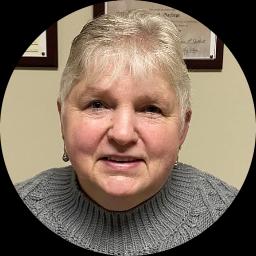
Anita Herbulock
LCSW
Compassionate LCSW focused on practical progress
- Stress, Anxiety
- Addictions
- Grief

Amber Cooper
LCSW
Compassionate, practical therapy with EMDR and skills work
- Stress, Anxiety
- Trauma and abuse
- Self esteem

Pamela McCloskey
PA Psychologist
Compassionate clinical care for trauma and stress
- Stress, Anxiety
- Trauma and abuse
- Parenting

Robert Tierney
LPC
Relationship patterns become repairable
- Stress, Anxiety
- Relationship
- Trauma and abuse

Heather Hutter
LCSW
Compassionate, practical therapy for life challenges
- Stress, Anxiety
- Trauma and abuse
- Self esteem

Alyssa Allen
LPC
Compassionate, practical therapy for daily life
- Stress, Anxiety
- Trauma and abuse
- Parenting

Sirpa Cossaboon
LPC, LPC-MH
Practical, values-based therapy for life challenges
- Stress, Anxiety
- Relationship
- Trauma and abuse

Shane Robinson
LCSW
Calm, practical support for everyday struggles
- Stress, Anxiety
- Trauma and abuse
- Self esteem

Sonja Allardyce
LCSW
Calm, practical therapy for everyday challenges
- Stress, Anxiety
- Trauma and abuse
- Self esteem


Dr. Brian Shaffer
LCMHC, LCPC
Care-focused clinician helping people move forward
- Stress, Anxiety
- Addictions
- LGBT

Victoria Aaron
LCSW
Compassionate LCSW guiding practical change
- Stress, Anxiety
- Relationship
- Parenting

Tracy Clarke
LPC
Compassionate counselor for trauma and addiction recovery
- Stress, Anxiety
- Addictions
- Trauma and abuse

Some links on this page are partner links. We will earn a commission if you sign up through one, at no cost to you. It does not change what you pay or the order of the listings.
Overview of Online Therapy in Pennsylvania
Online therapy has become a common option for people across Pennsylvania, from urban centers to rural towns. When you search for an online therapist you will find clinicians who offer sessions by video or phone so that you can access care from where you live. State licensure remains the central factor that determines whether someone is authorized to deliver therapy to Pennsylvania residents, which is why every profile on this directory highlights license information. In addition to standard talk-based approaches, you will encounter therapists who list EMDR among their approaches alongside other methods. That listing indicates a clinician includes EMDR in their practice description, but it does not by itself describe formal credentials or experience level. As you look through profiles, you can learn about education, licensure type, languages spoken, and areas of therapeutic emphasis so you can decide which clinicians to contact for an initial conversation.
Benefits of Online Therapy for Pennsylvania Residents
Choosing online therapy can make it easier to fit sessions into a busy schedule. You can avoid commuting across long distances, reduce time away from work or family obligations, and maintain continuity of care when life events make in-person visits difficult. For people in more remote regions of Pennsylvania, online sessions widen the pool of clinicians you can reach without geographic limits within the state. Online formats can also help you find a therapist who specializes in particular issues or who shares your language or cultural background, which might not be available locally. Another common advantage is flexibility - many clinicians offer a range of session lengths and styles that can be discussed when you first reach out. Technology requirements are generally modest; a reliable internet connection and a device with a camera and microphone are typically enough to get started. If you have concerns about using technology, you can ask a clinician how they handle common issues like connection interruptions and how they structure sessions to preserve a steady therapeutic process.
What Issues Online Therapists in Pennsylvania Commonly Help With
You can seek online therapy for a wide range of concerns. Many people come for help with anxiety, depression, stress related to work or school, and life transitions such as relationship changes, caregiving responsibilities, or relocation. Therapists also work with individuals coping with grief, adjustment difficulties, sleep problems, and concerns about identity or sexuality. Trauma-related work is a frequent focus for clinicians who list EMDR among their approaches, and you will find therapists addressing trauma symptoms, intrusive memories, and emotional responses that follow difficult experiences. Couples and family concerns, parenting challenges, and communication issues are other areas that therapists routinely address online. The virtual format supports both individual and relational work, and therapists may adapt interventions and session structure to fit the needs you describe in an initial conversation. When you read profiles, look for descriptions of the problems a clinician commonly addresses as well as the populations they mention, such as adults, teens, parents, or older adults, so you can find someone whose experience aligns with your goals.
How to Verify a Therapist's License in Pennsylvania
Confirming licensure is an important step before you begin therapy. You can verify a therapist's license by visiting the official Pennsylvania state licensing board websites and using the license lookup tools they provide. Search by the clinician's name or license number to confirm that the license is active and to review the license type and expiration date. The lookup may also reveal whether there are any disciplinary actions on record. Different license types have different scopes of practice, so check whether a clinician is licensed as a psychologist, licensed professional counselor, clinical social worker, marriage and family therapist, or another regulated provider. Profiles in this directory include license details to help you identify the correct license for further verification. If you are unsure how to interpret what you find, you can contact the licensing board directly to ask about license status and what the license allows the holder to do. Remember that a listing of an approach, such as EMDR, indicates a clinician reports using that method in their work; it does not replace the information you can confirm through licensing records or direct questions about a therapist's training, experience, or professional memberships.
How to Get Started and Tips for Choosing the Right Therapist
Starting with online therapy is often a step-by-step process that begins with clarifying your goals. Think about what you hope to work on and whether you prefer a therapist with experience in particular issues or populations. Use the directory filters to narrow profiles by approaches, languages, and credentials, and read clinician bios to get a sense of how they describe their work. When you find profiles that resonate, reach out to ask brief questions about their approach, session format, and general approach to working with issues like yours. You might ask how they structure sessions, whether they offer single-session consultations, and how they support progress over time. It is helpful to inquire about practical details as well - the technologies they use for video calls, what to expect in a first session, and how they handle cancellations or rescheduling. As you weigh options, consider whether the clinician's communication style and stated focus align with how you prefer to be supported.
Practical considerations for choosing a match
Match quality often depends on feeling understood and having mutual expectations about the work. Pay attention to how a clinician describes their therapeutic stance, whether they emphasize collaborative planning, and how they explain the kinds of outcomes people commonly aim for. Look for information about languages spoken if that matters to you, and consider whether you prefer a clinician who mentions particular life experiences or cultural perspectives. If a therapist lists EMDR among their approaches and you are interested in that method, ask about how they incorporate it into their overall work and what a typical course of sessions looks like. Asking for a brief phone or video consultation can help you assess rapport and decide whether to proceed.
Preparing for your first online session
Before your first session, choose a location that offers minimal interruptions and a safe setting where you can focus. Test your audio and camera ahead of time, and make sure you understand any consent or intake forms the clinician sends. Think about a few topics you want to prioritize so the first meeting can be used efficiently to set goals and clarify next steps. If you have questions about record-keeping, insurance, or payment, bring them up early so you have clear expectations. The first sessions are often about building rapport and creating a plan together, so give yourself permission to evaluate the fit over a few meetings.
Finding the right online therapist in Pennsylvania is a personal process that combines practical verification with attention to fit. Use licensure checks and profile details to ensure a clinician is authorized to practice in the state, and prioritize clear communication about approaches and expectations when you reach out. With patience and a focused search, you can identify clinicians who list EMDR among their approaches and who describe the experience and focus areas that resonate with your needs. Start by browsing profiles, prepare a few questions, and take the time you need to find a collaborative working relationship.