Clinical social work directory
Therapists in Illinois
52 therapists in this directory hold a licence issued in Illinois and name EMDR among their approaches. Sessions are online; a US therapist can usually only see people in a state where they hold a licence, so check the credentials panel on each profile.
Welcome to our directory for Illinois online therapists. All therapists listed here are licensed in Illinois and include EMDR among their approaches when noted on their profiles. Explore the listings to review credentials, specialties, languages, and therapeutic approaches to find a good match for your needs.

Carla Morris
LCPC
Experienced counselor focused on trauma and life change
- Stress, Anxiety
- Trauma and abuse
- Depression

Traci White
LCPC
Compassionate, trauma-informed counselor
- Stress, Anxiety
- Trauma and abuse
- Self esteem

Maria "Patti" Lorenzo
LCPC
Compassionate guidance for changing self-talk
- Trauma and abuse
- Self esteem
- Coping with life changes

James Michael Mannion
LCSW
Compassionate, practical therapy for life challenges
- Stress, Anxiety
- Trauma and abuse
- Grief

Tamela Polanin
LCPC
Practical trauma-informed counselor focused on recovery
- Stress, Anxiety
- Relationship
- Family

Erika Luhn
LCPC
Practical support for stress and trauma recovery
- Stress, Anxiety
- Trauma and abuse
- Parenting

Eve GunderKline
LCSW
Helpful trauma-informed therapy for life's transitions
- LGBT
- Relationship
- Trauma and abuse

Dr. Akamin Nkengaka
LCSW
Compassionate, practical therapy for life strain
- Stress, Anxiety
- Addictions
- Trauma and abuse

Sheri Sim
LCPC
Compassionate, practical guidance for life transitions
- Stress, Anxiety
- Relationship
- Family

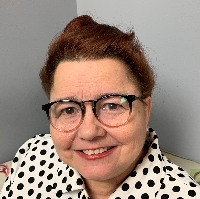
Keyira Jones
LCSW
Calm guidance for anxiety and life transitions
- Stress, Anxiety
- LGBT
- Trauma and abuse

Stephanie Czarnecki
LCSW
Experienced LCSW focused on practical healing
- Stress, Anxiety
- Addictions
- Trauma and abuse

Rachel Weinstein
LCSW
Calm, practical guidance for life’s hard moments
- Stress, Anxiety
- Relationship
- Family

Kristine Donaldson
LCSW
LCSW offering practical, trauma-informed care
- Stress, Anxiety
- Self esteem
- Career

Lisa Whittingham
LCPC
Practical, trauma-informed counseling with warmth
- Stress, Anxiety
- Relationship
- Family



Joseph Stoyas
LCSW
Compassionate, practical support for emotional challenges
- Stress, Anxiety
- Addictions
- Grief

Carrie Ryberg
LCPC
Practical therapy for stress and trauma
- Stress, Anxiety
- Relationship
- Trauma and abuse

Christina Collins
LMHC, LCPC
Compassionate, practical therapy for stress and trauma
- Stress, Anxiety
- LGBT
- Trauma and abuse

Mary Jennifer Meister
LCSW
Warm, practical trauma-informed therapy
- Trauma and abuse
- Coping with life changes
- Stress, Anxiety

Dr. James Bedell
IL Psychologist
Gentle, clear-headed therapy for life's hard moments
- Stress, Anxiety
- Addictions
- Relationship

Karen Haggard
LCSW
Practical care for stress, trauma, and life changes
- Stress, Anxiety
- Relationship
- Trauma and abuse

Suzanne Martinez
LMFT
Practical therapy for stress and trauma recovery
- Stress, Anxiety
- Relationship
- Self esteem

Rebecca Murray
LCPC
Practical, trauma-informed care for everyday struggles
- Stress, Anxiety
- Trauma and abuse
- Grief
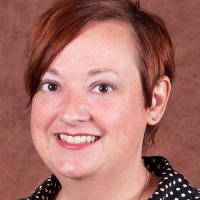
Jeanne Tilseth
LCPC
Seasoned trauma and addiction counselor
- Stress, Anxiety
- Addictions
- Trauma and abuse


Skip Dettman
LCSW
Compassionate, practical therapy for lasting change
- Stress, Anxiety
- Addictions
- Trauma and abuse

Ferrara Lund
LCSW
Calm, practical therapy for emotional healing
- Stress, Anxiety
- Relationship
- Trauma and abuse

Patricia Marchman
LCSW
Compassionate therapist for life transitions
- Stress, Anxiety
- Addictions
- Self esteem

Christina Steele-Lietz
LMSW, LCSW
Compassionate, practical therapy for life transitions
- Stress, Anxiety
- Trauma and abuse
- Grief

Susan Zacharias
LCPC
Compassionate trauma-aware counselor
- Stress, Anxiety
- Trauma and abuse
- Self esteem


Mary Reagan-Vorasorn
LCPC
Compassionate therapist focused on trauma recovery
- Stress, Anxiety
- Addictions
- Trauma and abuse


Vicki Marcum
LCSW
Experienced LCSW blending EMDR and practical therapy
- Stress, Anxiety
- Trauma and abuse
- Grief

Valentina Gasparro
LCPC
Compassionate counselor focused on practical healing
- Stress, Anxiety
- Relationship
- Family

Pyol Thompson
LCPC
Trauma-informed clinician focused on practical change
- Stress, Anxiety
- Trauma and abuse
- Grief

Bridget Bauersfeld
LCSW, MD, LCSW-C
Practical trauma-informed care with relational depth
- Stress, Anxiety
- Family
- Trauma and abuse

Dr. Melody Madaris
LCPC
Practical therapy for trauma and addiction recovery
- Addictions
- Trauma and abuse
- Bipolar

Gina Dickison
LCPC
Compassionate, practical care for life’s hard moments
- Stress, Anxiety
- Relationship
- Grief

Eileen O'Neil
LCSW
Practical, empathetic therapy for everyday challenges
- Stress, Anxiety
- Family
- Parenting

Debra Schwarze
LCPC, LPC
Compassionate counselor using practical trauma tools
- Stress, Anxiety
- Grief
- Depression
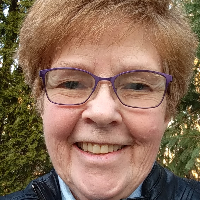
Dr. Pamela Vernon Stewart
LCPC
Experienced LCPC focused on trauma and life stressors
- Stress, Anxiety
- Family
- Trauma and abuse
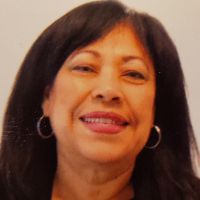
Gloria Sanchez
LCSW
Experienced LCSW focused on healing and resilience
- Stress, Anxiety
- Trauma and abuse
- Anger

Neal Harris
LCPC
Compassionate counselor blending talk and mind-body work
- Stress, Anxiety
- Relationship
- Grief

Helen Woodrum
LCSW
Trauma-focused LCSW helping build resilience
- Stress, Anxiety
- Trauma and abuse
- Depression
Some links on this page are partner links. We will earn a commission if you sign up through one, at no cost to you. It does not change what you pay or the order of the listings.
Overview of Online Therapy in Illinois
Online therapy has become a widely used option for people across Illinois seeking mental health and behavioral support. Providers who offer therapy remotely use video, phone, or text-based sessions to work with clients in many parts of the state. Because Illinois licensing governs who may practice with Illinois residents, therapists who list online services for Illinois typically hold a state license to provide care. That regulatory framework helps you know which clinicians are authorized to practice with clients in Illinois.
The technology used for remote work varies. Some clinicians connect by standard video platforms, others through portals that combine scheduling, messaging, and session tools. The result is that you can access therapists who specialize in specific concerns without needing to travel to a major city. For people who live in rural counties, have mobility limits, or keep busy schedules, online therapy increases the number of therapists you can consider while keeping session logistics simpler.
Benefits of Online Therapy for Illinois Residents
Choosing online therapy can change how you approach care. One of the clearest benefits is convenience - you save travel time and can fit sessions into a workday, lunch break, or the evening. That convenience can make it easier to maintain continuity over weeks or months, which supports steady progress toward the goals you set with a clinician.
Online therapy also expands your options for finding a therapist who speaks your preferred language or who works with specific populations. If you are seeking someone who lists EMDR among their approaches, or someone who focuses on trauma, grief, or parenting, online care increases the pool of clinicians you can review. Many people find remote sessions make it easier to integrate therapy into life when caregiving, commuting, or physical limitations make in-person visits difficult.
In addition, online formats allow for flexibility in therapeutic style. Some therapists blend traditional talk therapy with interactive tools, worksheets, or guided exercises you complete between sessions. While results differ by individual and approach, the flexibility of online work can support different learning styles and allow you to keep materials and notes in a way that suits you.
What Issues Online Therapists in Illinois Commonly Help With
Therapists offering online services in Illinois work across a wide range of concerns. Many provide support for anxiety and depressive symptoms, stress related to life transitions, relationship difficulties, and parenting challenges. Others focus on trauma and post-traumatic reactions; when a therapist notes EMDR among their approaches, that indicates EMDR is one of several methods they list on their profile rather than a specific credential.
People also seek online therapy for grief, adjustment after loss, performance or academic stress, and coping with chronic health conditions. Couples-focused clinicians may work with communication and conflict issues through telehealth, while therapists who work with adolescents may use video sessions adapted for younger clients. Because clinicians advertise specialties and approaches on their profiles, you can look for language that aligns with your current concerns and preferences.
Online therapy can be used for short-term focused goals as well as longer-term personal growth. When you review a therapist’s profile, pay attention to the problems they state they help with and the kinds of methods they name. That will give you a clearer sense of whether the clinician’s typical work aligns with the challenges you plan to address.
How to Verify a Therapist's License in Illinois
Verifying license status is an important step before beginning with an online clinician. Start by locating the therapist’s full name and the type of license they list on their profile, such as Licensed Clinical Social Worker, Licensed Professional Counselor, Licensed Marriage and Family Therapist, or Psychologist. Many profiles include a license number; if not, you can often ask the clinician directly for that information.
Once you have identifying details, use the Illinois state licensing board’s online verification tool to look up the license. The lookup will show whether the license is active, the issuing date, and whether there are any disciplinary actions or restrictions associated with the license. Reviewing that information helps you understand a clinician’s formal standing with the state and whether any past actions are recorded.
It also makes sense to check education and training background, which therapists commonly list on their profiles. You can confirm degree names and institutions through publicly available information if you want greater reassurance. Finally, if you have questions about telehealth practice rules or an item you find in a record, you can contact the Illinois regulatory office by phone or email to request clarification about a license or disciplinary history.
Getting Started and Tips for Choosing the Right Therapist
Clarify Your Goals and Preferences
Before you contact a clinician, think about what you want from therapy. Do you have a specific problem you want to address, such as panic symptoms or a work-related difficulty, or are you seeking support for ongoing emotional growth? Identifying a few goals will help you evaluate profiles and decide which clinicians to reach out to. Consider practical preferences as well - session length, daytime or evening options, language, and whether you prefer a clinician who lists certain approaches among their methods.
Evaluate Profiles and Professional Details
When reviewing profiles, look beyond labels. Read descriptions of the clinician’s approach, population focus, and the issues they commonly work with. Notice whether they mention experience with particular age groups or cultural backgrounds that are important to you. Languages spoken and stated areas of emphasis can be central to finding a good match. Remember that when a profile lists EMDR among approaches, that indicates EMDR is part of the clinician’s stated toolkit rather than evidence of a specific credential.
Ask Practical Questions Before the First Session
It is reasonable to ask a few practical questions before committing to an initial appointment. Typical queries include how sessions are scheduled, what platforms are used for sessions, how records and billing are handled, and what the clinician’s policies are regarding cancellations or emergencies. You might also ask about session length and whether they follow a structured plan or a more open-ended approach. These operational details help you understand how therapy will fit into your life.
Prepare for a Productive First Session
For your first appointment, prepare a brief summary of the concerns you want to address and any recent changes in mood, sleep, or functioning that feel relevant. If you are taking any prescribed medications, noting names and dosages can be helpful for context. Choose a quiet, comfortable environment where you can speak openly without interruptions and make sure your internet connection and device are set up ahead of time. Discuss with the clinician how to handle urgent concerns and learn whether they can provide referrals or local resources if you need them between sessions.
Choosing the right online therapist is a personal process. You can often get a sense of rapport within a session or two, and it is acceptable to continue searching if the fit does not feel right. The goal is to find someone whose style, language, and areas of focus align with your needs so you can work toward the outcomes you want.
Using this directory to review licensed Illinois practitioners gives you a place to start. By verifying licensure, clarifying your goals, and asking practical questions up front, you increase the likelihood of a productive therapeutic partnership that fits your life in Illinois.