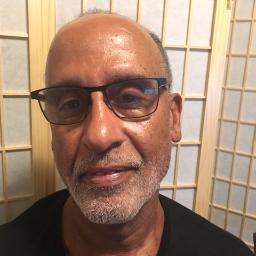
Dr. Natalia Kuzmina
LMFT, LCMFT
Helping people break painful relationship patterns
- Stress, Anxiety
- Relationship
- Family
Clinical social work directory
32 therapists in this directory hold a licence issued in Georgia and name EMDR among their approaches. Sessions are online; a US therapist can usually only see people in a state where they hold a licence, so check the credentials panel on each profile.
Welcome to our directory of online therapists serving Georgia. All listed therapists are licensed; explore profiles to review approaches, credentials, focus areas and language options.
LMFT, LCMFT
Helping people break painful relationship patterns
LPC
Practical, trauma-informed counseling for life challenges
LCSW, CSW
Calm, experienced social worker focused on practical change
LPC
Compassionate counselor with practical therapeutic tools
LPC
Practical, empathetic therapy for life’s hard moments
LCSW, CSW
Calm, practical therapy for trauma and stress
LPC
Compassionate, practical counseling for life’s hard moments
LPC
Relationship and trauma-focused counselor
LPC
Calm, practical therapy for life’s hard moments
LPC
Compassionate, practical help for life’s hard moments
LPC
Compassionate counselor focused on practical change
LCSW, CSW
Compassionate, practical mental health support
LPC
Practical, trauma-aware therapy in Georgia
LPC
Compassionate, practical therapy for trauma and ADHD
LMFT
Experienced Georgia LMFT focused on practical care
LPC
Client-centered counselor focusing on trauma recovery
LPC
Practical, experienced counseling for life challenges
LCSW, CSW
Compassionate trauma-informed social worker
LCSW, CSW
Comfortable, practical therapy for life challenges
LPC-MHSP, LPC
Calm, practical therapy for life’s big challenges
LCSW, CSW
Practical, compassionate therapy for life challenges
LMFT
Compassionate trauma-informed therapy for relationships
LICSW, LCSW, CSW
Trauma-informed social worker focused on practical change
LPC, LMHC
Compassionate, practical care for life’s hard moments
LPC
Compassionate counselor for life transitions
LPC
Practical trauma-informed counseling with EMDR
LISW, LISW-CP, MD, LCSW-C
Experienced social worker focused on trauma and mood support
LPC
Practical, trauma-informed counseling with EMDR
Some links on this page are partner links. We will earn a commission if you sign up through one, at no cost to you. It does not change what you pay or the order of the listings.
If you are seeking therapy from within Georgia, online therapy is now a common way to connect with licensed mental health professionals across the state. Many clinicians offer video or phone sessions as part of their practice models, allowing you to meet with a clinician from your home, workplace, or another comfortable environment. Online sessions may be offered by clinicians with different professional licenses and educational backgrounds, and you will often find that therapists list a range of therapeutic approaches and specialty areas in their profiles. This directory focuses on clinicians who indicate use of EMDR among their approaches, while also providing information about other modalities they note on their profiles. As you look through the listings, you can learn about each clinician's stated focus areas, language skills and credentials to find a match for your needs.
Online therapy can make it easier for you to connect with a clinician when travel time, caregiving demands, or work schedules make in-person appointments difficult to arrange. Sessions conducted online eliminate the need to commute and can reduce barriers related to transportation and geographic distance, especially if you live in a rural area or a small town where in-person options are limited. Many people find that meeting in a familiar setting helps them feel more comfortable sharing personal material, while others appreciate the structure and convenience that remote sessions provide. Online therapy also broadens the pool of clinicians you can consider, making it possible to seek someone who speaks your preferred language or who focuses on the specific issues you want to address. If you are exploring approaches such as EMDR, you will see clinicians who list that approach among the ones they use and can evaluate how it fits with your therapeutic goals and preferences.
Therapists offering online services in Georgia work with a wide range of concerns that include anxiety, depression and stress related to life transitions. You can also find clinicians who list experience addressing trauma-related symptoms, relationship challenges, grief and loss, and work-related stress. Many clinicians support people navigating identity-related concerns, parenting challenges, and coping with chronic health conditions. In situations involving trauma, some clinicians list EMDR among their approaches, which some people explore as one option when seeking trauma-focused care. Beyond trauma, therapists may list approaches that address mood regulation, cognitive patterns, interpersonal dynamics and coping skills. When reviewing profiles, you can read about the focus areas clinicians report so you can determine whether a clinician’s stated experience aligns with what you are seeking to address.
Confirming that a clinician is licensed to practice in Georgia is an important step before beginning online work. Licensing ensures that a clinician has met the state board's requirements for education, supervised experience and examination relevant to their profession. To verify a license you can look up the clinician’s name or license number using Georgia licensing board resources. These public records list license type, current status, expiration date and any disciplinary actions that may be on record. When you review a profile, note the license type and any professional designation provided, and use the state board lookup tool that corresponds to that license. If you are unsure which board to consult, you can usually determine the appropriate board by the clinician’s listed professional title, such as counselor, social worker, marriage and family therapist, or psychologist.
When you view a license record, look for an active status, the license issue and expiration dates, and any disciplinary history. A clear record with an active status indicates the clinician is authorized to practice under that license in Georgia. License lookup tools may also provide the license number and the official name used in the board’s records. If a profile lists additional credentials or educational institutions, remember that those details complement but do not replace the license check. If you have questions about anything you find on a public record, the state board can provide guidance about what the information means and how to interpret it.
Beginning online therapy starts with a few practical steps you can take to feel prepared and informed. First, clarify your goals for therapy so you can communicate what outcomes matter most to you when you reach out. Next, review clinician profiles in this directory to identify clinicians whose stated focus areas and approaches match your needs. Profiles that list EMDR among their approaches may also list other modalities, allowing you to see the broader context of how a clinician works. When you contact a clinician’s practice, you can ask about their approach to sessions - for example, how they structure appointments, what a typical session looks like and what to expect as you begin. You may also want to confirm practical details such as session length, typical communication methods between sessions and accepted forms of payment. These conversations are an opportunity to get a sense of how the clinician communicates and whether their style feels like a good fit for you.
Before your first appointment, choose a location where you can speak without interruption and with a sense of personal comfort. Test your technology - the device, camera and microphone - ahead of time, and make sure you know how to join the clinician’s platform or call. Consider having a list of topics you want to cover in the first session so you can use the time efficiently. It is also helpful to prepare any questions you want to ask about the clinician’s experience with particular approaches they list, including how they typically integrate different methods and how they measure progress over time. These early conversations can help you understand whether the clinician’s way of working aligns with your expectations.
Choosing a therapist is a personal decision that hinges on how comfortable you feel with a clinician’s approach and communication style. As you review profiles, pay attention to the focus areas, the professional credentials listed and the languages offered, since these factors influence how well a clinician can meet your specific needs. Some people prioritize a clinician who lists particular approaches, such as EMDR among their approaches, while others prioritize shared identity, cultural competence or a certain therapeutic orientation. You may find it helpful to read a clinician’s stated philosophy or description of their work to get a sense of whether their priorities align with yours. When you contact a clinician to learn more, notice how they respond to your questions and whether their explanations feel clear and respectful of your values.
Fit is something you assess over the first few sessions as you observe how the clinician organizes sessions and responds to your concerns. A clinician who communicates transparently about goals, methods and expected next steps helps you form a clearer picture of what to expect. If you are exploring trauma-focused work and a clinician lists EMDR among their approaches, ask how they typically integrate that method with other strategies. It is reasonable to expect ongoing dialogue about progress and to raise concerns if you feel that the direction of therapy is not aligned with your goals. Finding the right therapist sometimes involves a few conversations before you feel confident in the match, and being proactive about what matters to you will help guide that process.
Online therapy in Georgia offers flexibility and access to clinicians with varied approaches and focus areas. By verifying licensure, preparing thoughtful questions and reflecting on your goals, you can take informed steps toward finding a clinician whose approach and communication style work for you. Use the directory to explore profiles, read descriptions and identify clinicians who list the approaches and focus areas that fit your needs, and then reach out to learn more about how they work and how you might proceed together.