Clinical social work directory
Therapists in Arizona
44 therapists in this directory hold a licence issued in Arizona and name EMDR among their approaches. Sessions are online; a US therapist can usually only see people in a state where they hold a licence, so check the credentials panel on each profile.
Welcome to the Arizona section of our directory for online therapy. All therapists listed here are licensed in their professions; explore profiles to review approaches, credentials, languages, and focus areas.

Tina Argueta
LPC
Compassionate counselor focused on practical healing
- Addictions
- LGBT
- Trauma and abuse

Lori Smith
LPC
Trauma-informed counselor focused on practical healing
- Stress, Anxiety
- Addictions
- Trauma and abuse

David Burkett
LPC
Compassionate, practical therapy for emotional healing
- Stress, Anxiety
- Relationship
- Trauma and abuse


James Jones
LCSW
Steady trauma-informed care with practical tools
- Trauma and abuse
- Self esteem
- Coping with life changes


Heather Scarbrough
LMFT
Compassionate therapy for stress and trauma
- Stress, Anxiety
- Relationship
- Family

Sarah Anderson
LCSW
Compassionate trauma-informed care for adults
- Stress, Anxiety
- Addictions
- Trauma and abuse

Corey Wolter
LPC
Calm, practical therapy for stress and trauma
- Stress, Anxiety
- Trauma and abuse
- Coping with life changes


Monica Torres
LCSW
Compassionate, practical therapy for trauma and mood
- Stress, Anxiety
- Trauma and abuse
- Grief

Courtney Strong-Gurr
LPC
Practical, compassionate therapy for life change
- Stress, Anxiety
- Addictions
- LGBT

Tanya Underwood
LMFT
Compassionate, practical therapy for life challenges
- Stress, Anxiety
- Addictions
- Relationship

Tolana Murphy
LPC, LCPC
Calm, practical therapy for life’s tough moments
- Stress, Anxiety
- Addictions
- Trauma and abuse

Ann DePoole
LCSW
Compassionate therapist focused on practical recovery
- Stress, Anxiety
- Addictions
- Trauma and abuse
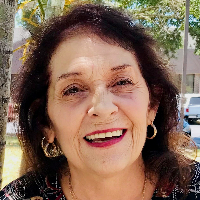
Cinthia Bernal
LPC
Calm guidance for trauma and relationship strain
- Stress, Anxiety
- Family
- Trauma and abuse

Kristen Hughes
LCSW
Compassionate, practical care for trauma and anxiety
- Stress, Anxiety
- Relationship
- Trauma and abuse

Julia Spain
LPC
Calm, practical support for stress and change
- Stress, Anxiety
- Relationship
- Self esteem

Yolanda Liriano-Kimbrough
LCSW
Compassionate, practical therapy for lasting change
- Stress, Anxiety
- Family
- Trauma and abuse

Pamela Wagner
LPC
Grounded trauma-informed support for life changes
- Stress, Anxiety
- Trauma and abuse
- Depression


Bertha Beltran
LCSW
Therapist for stress, trauma, and relationships
- Stress, Anxiety
- Relationship
- Family

Dorothy Pedro
LCSW
Compassionate, practical help for families and individuals
- Addictions
- Grief
- Parenting

Priscilla Whitlock-Coates
LPC
Practical, experienced counseling for family and trauma
- Family
- Trauma and abuse
- Parenting

Dr. David Dohm
LPC
Practical, respectful therapy with EMDR when helpful
- Stress, Anxiety
- Trauma and abuse
- Bipolar

Annis Reyes Frias
LCSW
Compassionate, practical support for stress and trauma
- Stress, Anxiety
- Relationship
- Trauma and abuse

Aisha Jakachira
LPC
Calm, practical counseling for real-life struggles
- Stress, Anxiety
- Addictions
- Trauma and abuse

June OConnor
LCPC, LPC
Seasoned counselor who teaches practical change
- Stress, Anxiety
- Grief
- Self esteem

Cilicia Gooden
LCSW
Compassionate, practical care for trauma and mood
- Stress, Anxiety
- Relationship
- Trauma and abuse

Dawn Cooperstein
LCSW
Collaborative therapy focused on trauma and identity
- LGBT
- Trauma and abuse
- Self esteem

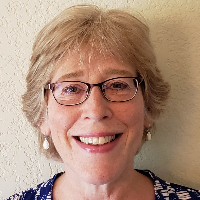
Alexandra Chaplik
LCSW
Practical support for stress and relationships
- Stress, Anxiety
- Relationship
- Parenting

Deborah Schuster
LCSW
Helping people move through anxiety and trauma
- Stress, Anxiety
- Trauma and abuse
- Grief

Lindsay Van Gorder
LPC
Compassionate counselor focused on trauma and recovery
- Stress, Anxiety
- Addictions
- LGBT

Yvonne Espinoza
LPC
EMDR-informed counselor focused on practical coping
- Stress, Anxiety
- Trauma and abuse
- Grief

Marla Carman
LMHC, LPC
Trauma-informed clinician blending practical therapies
- Stress, Anxiety
- Relationship
- Trauma and abuse

Stacy Mora
LPC
Compassionate counselor focused on trauma recovery
- Stress, Anxiety
- Trauma and abuse
- Parenting

Angela Radford
LPC
Compassionate trauma-informed counseling for adults
- Stress, Anxiety
- LGBT
- Self esteem

Jean Dili
LPC
Creative, experienced counselor combining meaning and skills
- Stress, Anxiety
- Addictions
- Relationship
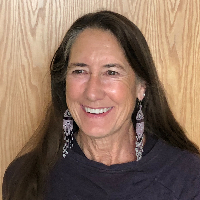
Joanna Smith
LPC
Compassionate counselor focused on healing and growth
- Stress, Anxiety
- LGBT
- Relationship

Gwen Kittell
LCSW
Compassionate therapist for trauma and life changes
- Stress, Anxiety
- Addictions
- Trauma and abuse

Debra Black-Mayo
LPC
Compassionate counselor using trauma-informed methods
- Stress, Anxiety
- Trauma and abuse
- Grief

Harry Fisher
LPC
Practical, straightforward support for trauma and recovery
- Stress, Anxiety
- Addictions
- Relationship

Some links on this page are partner links. We will earn a commission if you sign up through one, at no cost to you. It does not change what you pay or the order of the listings.
Overview of online therapy in Arizona
If you are exploring online therapy in Arizona, you will find a range of clinicians offering remote sessions by video or phone. Online therapy has become an established option for many people across the state, allowing sessions to take place whether you live in an urban center, a suburban community, or a more rural area. Regulations and practice details can vary by profession, so it helps to be familiar with how mental health licensure works in Arizona and to look for therapists who list the techniques and approaches that matter to you. Many profiles will note areas of focus, the types of clients a clinician works with, and languages spoken. You can use those details to narrow your search before reaching out to a clinician to learn more about their approach and how they work with clients remotely.
Benefits of online therapy for Arizona residents
Online therapy can reduce some of the logistical barriers that make in-person care harder to access. You can save time that would otherwise be spent commuting and you have more flexibility to fit sessions around work, school, or family obligations. For people in regions of Arizona where in-person specialty services are limited, online therapy can expand the set of clinicians you can connect with, including those who list EMDR among their approaches. Remote sessions can also make it easier to maintain continuity of care if you travel or relocate within the state. In addition, online therapy may offer more options for language match and cultural background when clinicians are located across a broader area. It is important to create a quiet and comfortable environment for sessions and to use a reliable internet connection and device to reduce interruptions. You should also be familiar with local emergency resources in your area since the clinician will not be physically present during a session.
What issues online therapists in Arizona commonly help with
Therapists offering online services address a wide range of concerns that people commonly seek help for. Many clinicians focus on mood-related issues such as depression and anxiety, while others work with trauma, grief, relationship challenges, life transitions, and stress management. You will also find therapists who list specialization in areas like obsessive thoughts, parenting stress, adjustment after loss, workplace stress, and identity-related issues. Some clinicians include trauma-focused approaches or note EMDR among their approaches, which some people look for when addressing the effects of past distressing experiences. Profiles often indicate whether a therapist works with adolescents, adults, couples, or families, and they may list populations they have experience supporting. When you are reviewing profiles, look for language that aligns with your situation and read about how a therapist describes the focus and structure of their sessions so you can choose a clinician whose approach resonates with you.
How to verify a therapist's license in Arizona
Confirming a therapist's license is an important step before beginning work together. In Arizona, different types of clinicians are licensed through different state boards. You can look up license status, expiration date, and any public disciplinary history by using the appropriate Arizona board's online license lookup tool. If a profile does not include a license number, you may ask the clinician directly for that information and for the state board that issued the license. Once you have the license number, you can verify that it is active and that there are no public sanctions. If you plan to use insurance, verifying licensure can also help determine whether a clinician meets your insurer's credentialing requirements. Keep in mind that seeing someone licensed in Arizona is typically necessary for clinical services delivered to clients located in Arizona, although there are exceptions depending on your circumstances. If you have questions about cross-state practice rules, the relevant state licensing board or your insurer can provide guidance about whether a clinician is authorized to offer services to Arizona residents.
What to look for in a license check
When you check a license record, verify the name on the license, the license type, and the current status. Look at the issuance and expiration dates, and review any public records or restrictions that are listed. A clear license record does not replace putting questions to the clinician about their approach or experience, but it does provide assurance that they are recognized by the state board. If you need help locating the correct board for a specific credential, directory profiles often state the clinician's credential type and the board that governs it.
How to get started with an online therapist
Starting online therapy often begins with search filters and profile review to identify clinicians who list the specialties and approaches that matter to you. Read through therapist profiles to understand their professional backgrounds, the client populations they work with, and the ways they describe session structure. Once you have a short list, reach out to ask questions that matter to you. You might inquire about session length, fees, accepted payment methods, whether they work with your age group or presenting concern, and what a typical session looks like. Many therapists offer an initial conversation to discuss whether their approach aligns with your goals. When contacting a clinician, you can also confirm licensure details and ask about their experience working remotely. Before your first video session, test your technology and find a quiet, comfortable place for the appointment. Keep contact details for local emergency services handy since your clinician will be providing care from a distance and will rely on local resources if urgent help is needed.
Tips for choosing the right therapist
Choosing a therapist is a personal decision and what feels like a good fit to one person may not feel right to another. Start by clarifying what you hope to achieve in therapy so you can look for clinicians whose written descriptions align with those goals. Consider credentials and years of experience, but also pay attention to the therapeutic approaches listed and how a clinician explains them. If EMDR is something you are curious about, look for therapists who list EMDR among their approaches and ask them how they integrate that method into sessions without assuming any particular level of specialization from a brief profile note. Language match and cultural competence can be important if you want to communicate in a specific language or prefer a therapist with experience in your cultural context. Practical factors like session length, fee structure, and whether the clinician works with your insurance are part of the decision process. Trust your sense of rapport - many people decide after an initial session whether the clinician's style and communication felt helpful. If a match does not feel right, it is reasonable to try a different clinician until you find someone who meets your needs.
Questions to ask before committing
When you contact a clinician, you can ask about the typical structure of sessions, how goals are set and reviewed, how progress is measured, and what to expect in remote sessions. Clarify logistical details such as cancellation policy and payment arrangements. If you have specific concerns about trauma-focused work or certain intervention styles, ask how the clinician approaches those areas and what supports they provide during and between sessions. Asking these questions up front helps you make an informed choice and establishes clear expectations for the therapeutic process.
Finding the right online therapist in Arizona is a step-by-step process that begins with clear priorities and careful review of profiles. Use the directory to explore clinicians who match your needs, verify licensure through state resources, and reach out with focused questions that help you decide who to work with. With the right preparation, remote therapy can be a practical and effective way to get professional support while fitting care into your life.